Student who plans their meals
If you often cook pasta and don’t mind doing a little cooking, a tomato base could suit you. Plan what ingredients you’ll add and how much you’re likely to use.


For a budget-friendly student dinner, choose a ready-made sauce if you want to keep preparation to a minimum, or a tomato base if you’re happy to season it yourself. A large jar is best suited to several meals or a group of diners, provided you can follow the storage instructions once it’s opened.
If you often cook pasta and don’t mind doing a little cooking, a tomato base could suit you. Plan what ingredients you’ll add and how much you’re likely to use.
A ready-made sauce means fewer steps to get dinner ready. Choosing a container that suits your meal also means you won’t have to deal with a large amount once it’s opened.
A large container or several smaller ones can help you prepare multiple meals. The right choice depends on how much you’ll use each time and the storage instructions for the opened product.
First, decide whether you want a ready-made sauce or a base to cook with. Then choose a container based on the meals you have planned and what you’ll be able to store once it’s opened.
| Criteria | What to check | Best for |
|---|---|---|
| Ingredients to add | Check whether the product is a cooked sauce or a tomato base, then work out what you’ll need to add to your dish. | I’m happy to season a tomato base, but I want to know what I’ll need before I start cooking. Around 36% of consumers put these additional ingredients first. |
| Size and storage | Match the net weight to the meals you have planned, and read the storage instructions for the chosen container once opened. | For a house share or several meals, I want to use the contents without leaving anything to go to waste. Size is the top priority for around 29% of consumers. |
| Preparation time | Check whether it’s a ready-made sauce or a base that needs cooking, and read the preparation instructions. | When I don’t have much time for dinner, I’d rather keep the steps to a minimum before serving the pasta. This simplicity comes first for around 21% of consumers. |
| Ingredients and nutritional information | Read the ingredients list, allergen information and nutritional details for the exact product you’re considering. | If I need to avoid an ingredient, the label matters more to me than the container size. Around 14% of consumers prioritise the ingredients first. |
Chopped or puréed tomatoes need to be prepared differently from a cooked sauce. That matters when you need dinner on the table quickly.
Check the product name and instructions, and only choose a tomato base if you want to make your own sauce.
Allow time for cooking and, depending on the recipe you have in mind, for adding extra ingredients.
Panzani lists a 650 g jar of tomato and basil sauce, among other sizes. That quantity is only useful if you can use the contents in line with the instructions after opening. The date printed on an unopened product doesn’t tell you how to store an opened jar.
Before choosing a large jar, plan which meals you’ll use it for and read the manufacturer’s storage instructions.
Barilla describes its Sauce Basilico as gluten-free, while the nutritional information and Nutri-Score listed for Turini refer to its 420 g basil sauce. These details don’t apply to every sauce from these brands.
If you have dietary requirements, check the ingredients and allergen information on the exact product you’re buying.
Panzani lists its tomato and basil sauce in 210 g, 400 g and 650 g containers, so you can choose a size to suit your meal plans.
According to Barilla, Sauce Basilico comes in 200 g and 400 g sizes. It can be poured straight over pasta or heated up.
Carrefour lists a 420 g tomato and basil sauce, as well as chopped tomatoes sold separately in a pack of 3 × 400 g.
E.Leclerc lists a 420 g Turini tomato and basil sauce.
This selection includes sauces to serve with pasta and tomato bases to cook with. To choose between them, think about how much cooking you want to do and how much you’ll use.
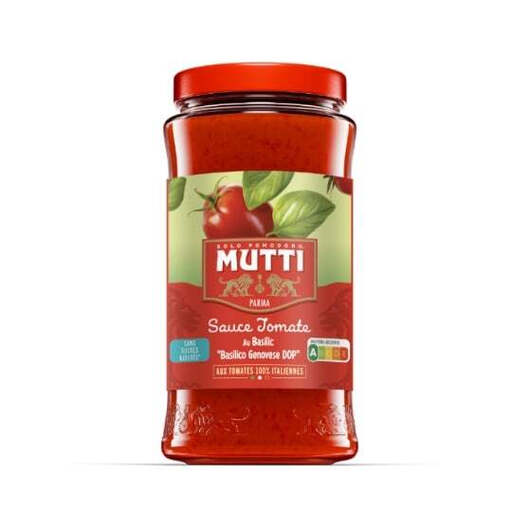 Image unavailable
A basil sauce to consider if you want something to serve with pasta without preparing a separate tomato base.
Check the net weight and instructions on the product to see how it fits with your meal plans.
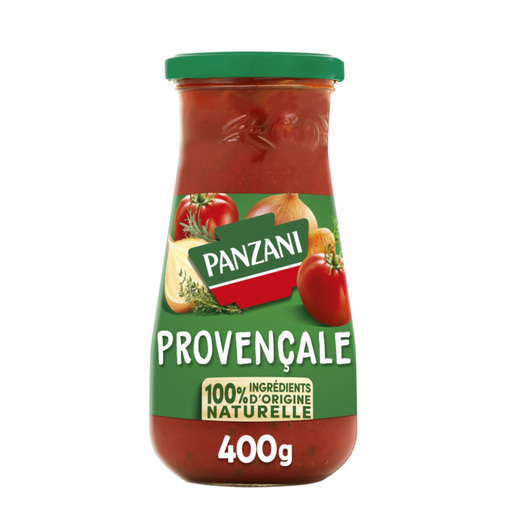 Image unavailable
This Provençale sauce could go well with pasta if you’re looking for a 400 g container.
Check the preparation and storage instructions on the product once opened.
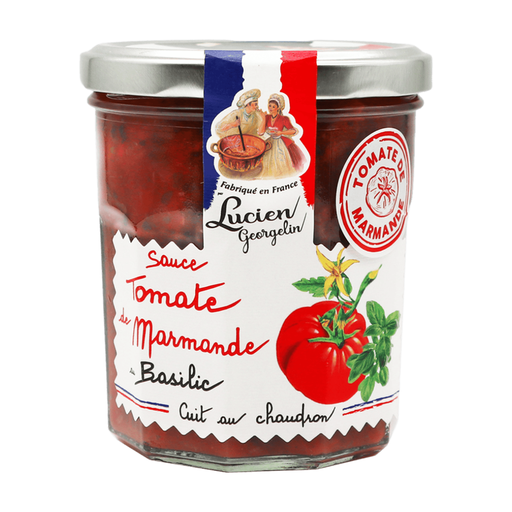 Image unavailable
This 300 g jar is a useful size to compare if you’re planning to make pasta with tomato and basil sauce.
Choose a quantity to suit your meals and follow the preparation and storage instructions on the product.
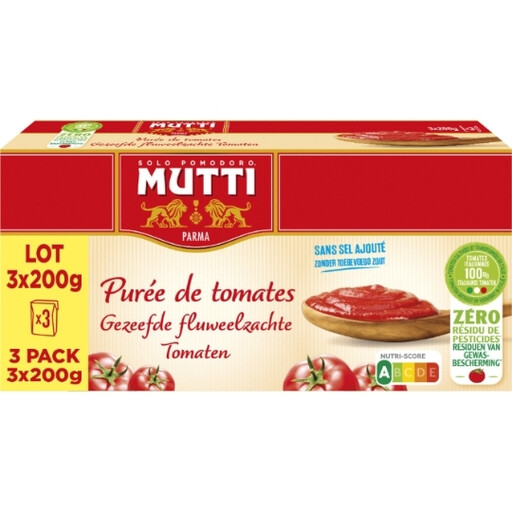 Image unavailable
This pack of tomato bases is for anyone who wants to make their own pasta sauce.
You can open the three 200 g containers separately; store each opened container according to its instructions.
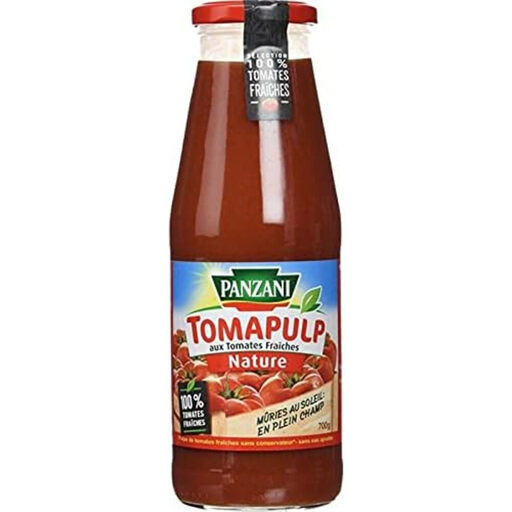 Image unavailable
This 700 g tomato base is worth considering if you’re planning to make sauce for several meals or diners.
Think about how you’ll prepare it and check the storage instructions for once it’s opened before choosing this large size.
Yes, if you plan to use the contents over several meals and can follow the storage instructions once opened. Panzani lists a 650 g size for its tomato and basil sauce, among other options. Choose it based on how much you’ll use, not just the size of the jar.
You can use them as a base for your sauce, but you’ll need to prepare the dish to get the result you want. A sauce such as Barilla’s Basilico is, according to the brand, designed to be poured straight over pasta or heated up.
Check the product name, net quantity, ingredients, allergen information, nutritional details and storage instructions. The DGCCRF reminds consumers that allergens must be clearly highlighted on the labels of prepacked foods. A Nutri-Score on the pack doesn’t replace checking the ingredients.
No. Follow the manufacturer’s instructions for the opened product, including storage conditions and any guidance on how long it will keep after opening. The DGCCRF explains that the use-by date shown for an unopened product is no longer valid once it has been opened.
First, follow the instructions on the jar. Anses recommends checking your fridge temperature and keeping it at 4 °C in its coldest area. This guidance doesn’t replace the storage period specified for the opened sauce.