Students eating lunch alone at uni
If you’re making just one meal, a small container can help limit how much sauce you need to carry home or store. Just check that there’s enough for the amount you plan to use.


For a solo lunch at uni, choose a sauce based on how much you’ll actually use. A small jar helps avoid leftovers, while a larger jar is suitable if you’re planning several meals and can refrigerate it after opening. A tube makes it easy to control how much sauce you use, but you’ll still need to follow its storage instructions. Check the ingredients and allergen information for the specific product you choose, too.
If you’re making just one meal, a small container can help limit how much sauce you need to carry home or store. Just check that there’s enough for the amount you plan to use.
A 400 to 420 g jar may be suitable if you have access to a fridge and plan to finish it within the stated time after opening.
The recipe matters more than the brand name alone. Depending on the product, a sauce may contain celery or carry a warning about possible traces of milk or mustard. Read the label on the product you’re buying.
When choosing a sauce to go with dried pasta for lunch at uni, start by thinking about how many meals you’re planning. Then check what you can do with the container once it’s open. Next, look at the ingredients of the specific product, whether it’s a tomato sauce or pesto.
| Factor | What to check | Who is it for? |
|---|---|---|
| Amount per meal | Net weight and how much sauce you plan to use. | I eat lunch on my own and would rather not open much more sauce than I need. Around 40% of consumers prioritise this need when choosing a size. |
| Managing leftovers | Access to a fridge and storage instructions after opening. | I prepare several lunches and want to finish the container within the stated time. Around 30% of consumers put this need for planning first. |
| Ingredients | Ingredients list, allergens and any possible traces stated on the packaging. | Before choosing a recipe, I need to know whether its ingredients meet my dietary requirements. Around 30% of consumers put this check first. |
Any leftovers will need to be stored as directed on the label. The 190 g Auchan and 420 g Pouce cooked tomato sauces mentioned here need to be refrigerated and used within 48 h of opening.
Choose a size based on the meals you’re actually planning, and check the jar’s instructions before opening it.
If you don’t have access to a fridge or another meal planned in time, some of the jar may go unused.
The Carrefour Classic’ sauce mentioned here contains celery; other products warn that they may contain traces of milk or mustard. Similar recipes can have different ingredients.
Check the ingredients, allergens and any possible traces listed on the packaging for each product.
Tomato purée or passata can be used as a base that you add to, while a cooked sauce is ready to serve with your meal.
If you want to prepare pasta quickly at uni, check the product description and ingredients before choosing.
A base that needs extra ingredients can also take more time to prepare.
The sizes and instructions below apply to the specific products mentioned, not every sauce made by each brand.
Panzani offers cooked tomato sauces in 210 g, 400 g and 650 g sizes, as well as a tomato sauce with small vegetables in a tube.
Barilla’s Basilico tomato sauce is available in 200 g and 400 g jars.
The Carrefour Classic’ cooked tomato sauce mentioned here comes in a 420 g jar.
The Auchan cooked tomato sauce mentioned here comes in a 190 g jar.
The Pouce cooked tomato sauce mentioned here comes in a 420 g jar.
These small jars of pesto or tomato sauce are designed to go with pasta. The 400 g jar of cooked tomatoes is more suited to several meals, provided you can keep the leftovers chilled. Pesto and tomato sauce have different ingredients, so choose the recipe and size separately.
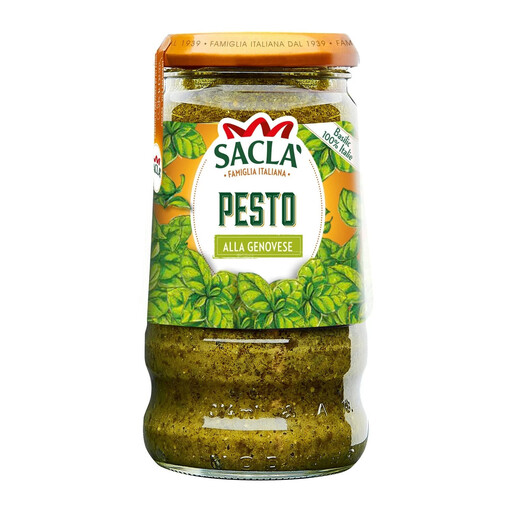 Image unavailable
A small jar of pesto to consider for pasta when you’re having lunch on your own.
Once opened, keep it in the fridge and follow the instructions on the jar. Check the packaging if allergens or possible traces are a concern for you.
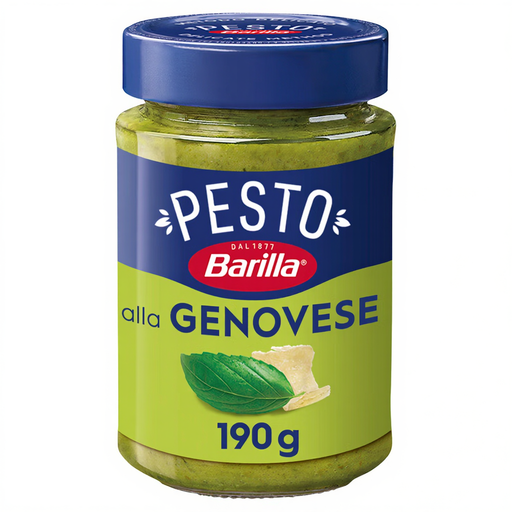 Image unavailable
This small jar of pesto is a tasty option to serve with pasta for a solo lunch.
It contains milk and nuts. Once opened, keep it in the fridge and use it within five days.
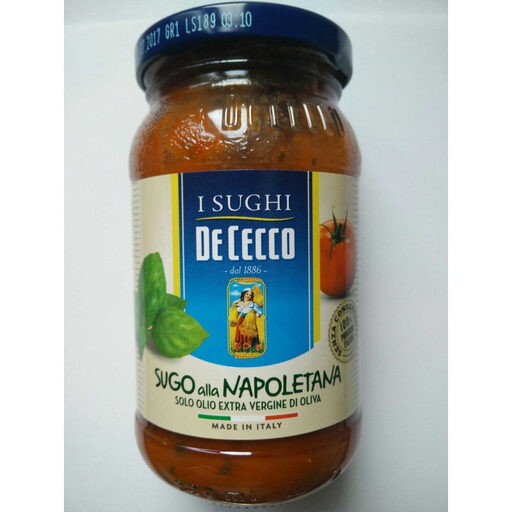 Image unavailable
This 200 g jar of sauce is made to serve with pasta.
Once opened, keep it at no more than 4 °C and use it within three days. Check the packaging for allergen information and possible traces.
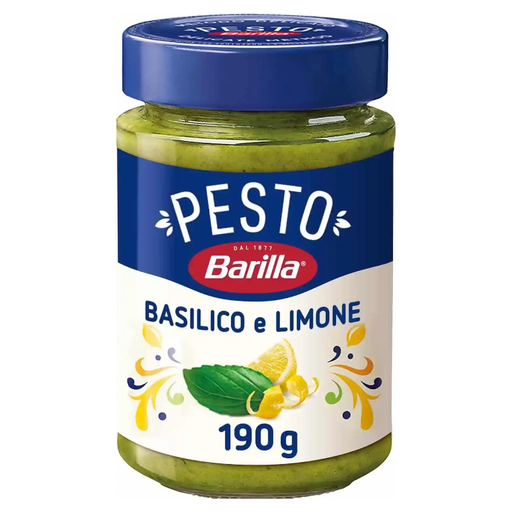 Image unavailable
This small jar of basil and lemon pesto is designed to serve with pasta.
It contains milk, cashew nuts and pine nuts. Once opened, keep it in the fridge and check the packaging for how soon to use it.
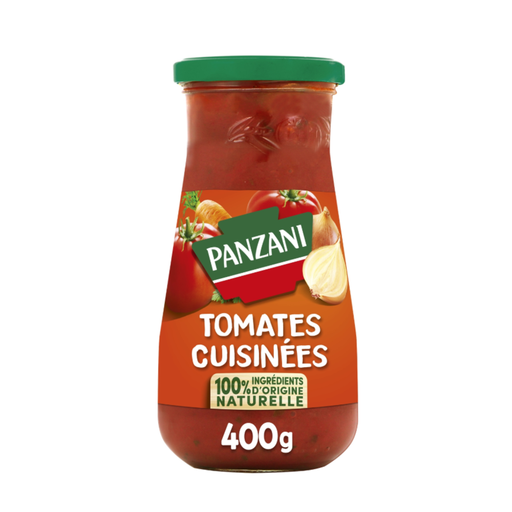 Image unavailable
This jar of cooked tomatoes for pasta is worth considering if you’re planning several meals close together.
Once opened, keep the leftovers in the fridge and use them within five to seven days, as instructed. Check the packaging for allergen information and possible traces.
Yes, if the storage instructions for that product say it can be kept at room temperature. The 190 g Auchan cooked tomato sauce mentioned here is one example: store it away from light and heat before opening. Once opened, it must be refrigerated between 0 °C and +4 °C and used within 48 h.
No, if the label says to refrigerate it after opening. ANSES advises limiting how long perishable foods are kept at room temperature and returning them to the fridge promptly. You should also follow the specific temperature and time limits for your sauce.
Check the ingredients, highlighted allergens, possible traces and any product-specific information on the item you’re buying. The words “tomato sauce” or a brand name alone don’t tell you what’s in the jar.
No. The DGCCRF distinguishes between the use-by date (DLC) and the best-before date (DDM), which is worded “best before”. Check the date information on your product and follow its separate instructions for storage after opening.
Not necessarily; follow the instructions for the product you’ve chosen. Barilla says its Basilico sauce can be poured straight over freshly drained pasta, or heated first. Panzani also provides heating instructions for its cooked tomato sauce.