Shoppers looking to compare fibre content
If you’d like to vary the pasta you keep in your cupboard, wholewheat and part-wholewheat options are worth comparing by ingredients, fibre per 100 g and the flavour you prefer.


If you’d like to include more fibre in your meals, compare wholewheat and part-wholewheat pasta by checking the ingredients and nutritional values per 100 g. A protein-enriched recipe offers a different point of comparison, while a larger pack is mainly useful for planning your shopping. None of these features alone tells you everything about the meal as a whole.
If you’d like to vary the pasta you keep in your cupboard, wholewheat and part-wholewheat options are worth comparing by ingredients, fibre per 100 g and the flavour you prefer.
A standard or larger pack may suit your routine if you use the same product often enough and have a dry place to store it.
If protein content is your main priority, compare the nutritional values and ingredients of the specific products. Don’t assume this feature will have an effect on weight.
Start with the criteria that matter most for your meals, then compare products on the same per-100 g basis. Consider pack size and how you’ll store the pasta separately.
| Criteria | What to check | Who is it for? |
|---|---|---|
| Fibre | Look for wholewheat semolina in the ingredients and compare the fibre per 100 g of the products you’re considering. | I’d like to switch up my usual pasta, but the taste of a wholewheat recipe matters too; around 42% of shoppers would put fibre at the top of their list of criteria. |
| Meal composition | Compare the nutritional information per 100 g, then consider the portion size, sauce and accompaniments. | For everyday meals, I want to look at the whole plate rather than just one figure on the packet; this would be the main priority for around 33% of shoppers. |
| Pack size and storage | Check the net weight, best-before date and storage instructions after opening. | I often buy the same pasta and can keep a large pack somewhere dry until I’ve finished it; buying in bulk would be the first choice for around 25% of shoppers. |
Wholewheat pasta alone doesn’t tell you anything about portion size, sauce or accompaniments.
Compare the pasta’s ingredients and nutritional values, then consider the recipe for the whole meal.
Pack size doesn’t change the recipe’s nutritional characteristics. A larger pack is mainly suitable if you use that pasta regularly.
Work out how many meals you’ll use it for and follow the storage instructions after opening.
An opened pack that gets damp or sits unused for too long may need to be thrown away before you finish it.
A wholewheat or enriched recipe may differ from another product by the same brand, particularly in its ingredients and declared allergens.
Read the label for the exact product you’re buying. The DGCCRF reminds shoppers that allergenic ingredients must be highlighted.
Its wholewheat and Protein+ products let you compare two distinct criteria: fibre and protein.
The Complètement Bon! range and wholewheat penne are worth looking at if you’re interested in the wholewheat semolina content.
Its fresh or pan-fry pasta serves a different purpose from dried pasta stored in a cupboard.
A 500 g pack of wholewheat pasta to compare with other standard pack sizes.
The 500 g wholewheat penne offer another label to compare when stocking your cupboard.
Its 500 g wholewheat pasta products let you compare cupboard-friendly pack sizes.
These two products suit different cupboard needs: a 500 g pack of wholewheat pasta and a 5 kg pack for a household that uses the same pasta regularly. A larger pack isn’t a nutritional criterion in itself.
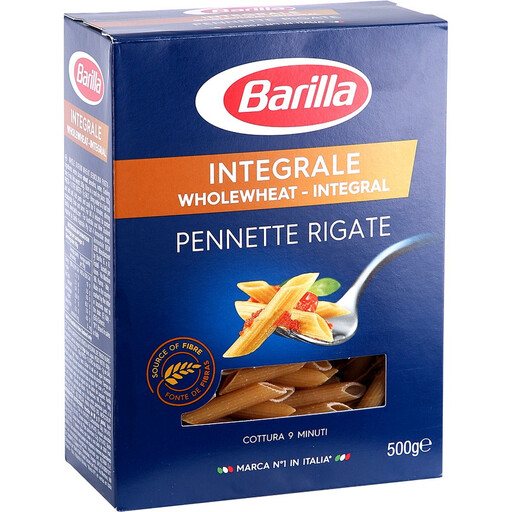 Image unavailable
Worth considering if you’re looking for wholewheat pasta in a standard pack size rather than a bulk pack.
500 g pack; compare the nutritional information and storage instructions for this product before choosing.
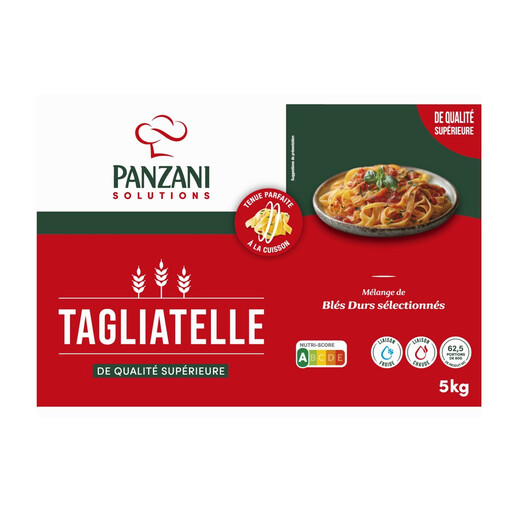 Image unavailable
A pack size to consider if your household regularly cooks tagliatelle and has somewhere dry to store it.
5 kg pack; plan how you’ll protect the pasta after opening, and check the ingredients and allergens listed on the packaging.
No, there’s no need to avoid pasta for this reason alone. Manger Bouger lists wholewheat pasta among wholegrain starchy foods. When choosing a meal, also consider portion size and accompaniments, without assuming that a particular product will affect your weight.
Always follow the instructions on the pack you’ve bought. For the wholewheat pasta products consulted, Auchan advises keeping them away from heat and moisture, sealing the bag tightly and, where possible, using an airtight container.
Read the ingredients list for the exact product before buying. The DGCCRF states that allergenic ingredients must be highlighted on the label; don’t assume that two varieties from the same brand have identical ingredients.
Not necessarily. The DGCCRF states that a best-before date can pass if the packaging is intact, although some of the product’s qualities may have diminished. Follow the storage instructions and remember that a best-before date is different from a use-by date.