Students comparing sugar content
You want to understand what the “of which sugars” figure per 100 g means, without confusing it with carbohydrates or assuming that a product name counts as a nutrition claim.


For a uni lunch, don’t choose pasta based solely on a “reduced sugar” claim. Compare the “of which sugars” figures per 100 g and check any claim on the pack. If your priorities lie elsewhere, look at the fibre in wholemeal pasta or the protein in enriched recipes, and don’t forget to check the ingredients and preparation instructions.
You want to understand what the “of which sugars” figure per 100 g means, without confusing it with carbohydrates or assuming that a product name counts as a nutrition claim.
You’re looking for a specific feature to help put your lunch together: the fibre content of wholemeal pasta or the protein content of an enriched recipe.
You need to take account of the time and cooking equipment available, while checking the ingredients and allergens listed on the pack you choose.
When choosing pasta for a uni lunch, start with your main priority, then compare the nutritional information on a like-for-like basis, per 100 g.
| Criteria | What to check | Who this matters to |
|---|---|---|
| Sugars and claims | Compare the “of which sugars” figures per 100 g for similar products, and check the wording of any claim on the pack. | I want to understand the stated amount of sugars without trying to work it out from the carbohydrates or the pasta’s name. Around 38% of consumers make this a priority. |
| Fibre or protein | Check the fibre or protein content per 100 g and the ingredients in the exact product you’re considering. | When putting my lunch together, I prioritise either the fibre in wholemeal pasta or the protein provided by the pasta. Around 37% of consumers prioritise one of these two criteria. |
| Preparation and ingredients | Check the cooking instructions, pack size and allergens listed on the packaging. | With the time and equipment I have, I need something I can prepare easily, with ingredients that suit me. This is the top priority for around 25% of consumers. |
These two figures don’t mean the same thing. Barilla lists 63 g of carbohydrates and 1.7 g of sugars per 100 g for its Penne Rigate Protein+. These figures alone don’t prove that the product carries a “reduced sugar” claim.
Read each line separately, and look for the claim on the packaging if it’s influencing your choice.
According to Barilla, its Penne Rigate wholemeal wheat pasta contains 6.5 g of fibre and 3.5 g of sugars per 100 g. This product’s composition doesn’t allow you to generalise about the sugar content of all wholemeal pasta.
Choose a wholemeal product if its features suit your priorities, then compare its “of which sugars” figure with those of the other products you’re considering.
The protein content listed for pasta describes that part of your lunch, not the whole meal. It doesn’t automatically mean that you need an enriched recipe.
Compare the protein figures per 100 g and the ingredients, then take account of the other foods you plan to have for lunch.
Ingredients and allergen warnings matter too. According to its product listing, Carrefour wholemeal pasta contains wheat and may contain traces of egg and soya.
If you need to avoid an ingredient or allergen, check the label on the pack you’re going to buy, even if you’re already familiar with another pasta shape from the same brand.
The Penne Rigate wholemeal wheat and Penne Rigate Protein+ products let you compare two distinct features.
The Les Protéinées range may appeal to consumers who are primarily comparing the protein content of pasta.
The brand offers products including pan-fried gnocchi, filled pasta and tagliatelle, which you can consider depending on the kind of lunch you’re looking for.
A Carrefour wholemeal pasta product gives you another option to check for ingredients and packaging.
These products include pasta to prepare or reheat, as well as konjac-based spaghetti. Compare their categories and the information on each product’s own packaging before choosing an option for your lunch.
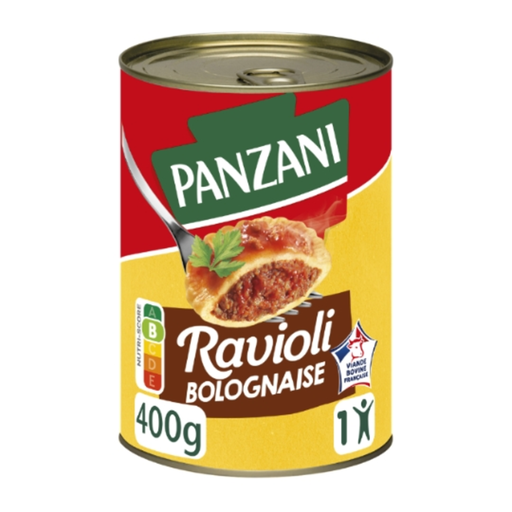 Image unavailable
Worth considering if you can reheat your lunch. The pack contains 400 g; check the preparation and storage instructions, and the “of which sugars” figure on the packaging.
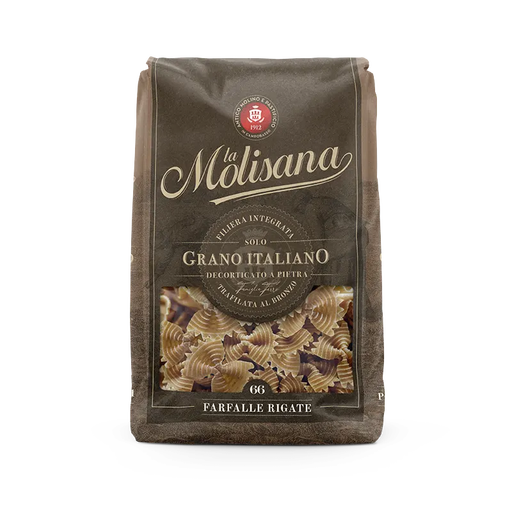 Image unavailable
Wholemeal pasta to consider if you can cook it before lunch. The pack contains 500 g; compare the fibre and sugar figures per 100 g on the label, without assuming that “Integrali” means the sugars have been reduced.
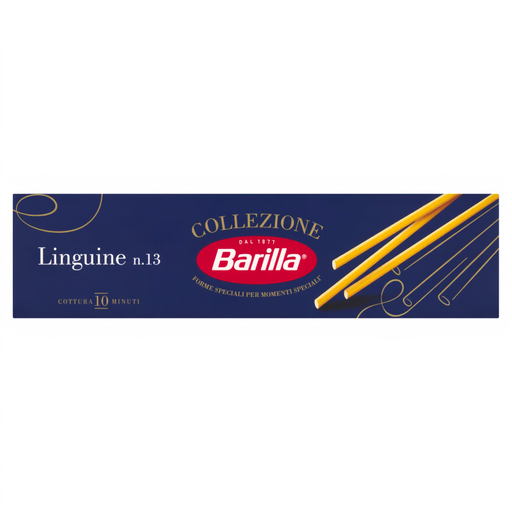 Image unavailable
A classic dried pasta option if you’re planning to cook a meal. The pack contains 500 g; check the cooking time and compare the “of which sugars” figures per 100 g with those of the other products you’re considering.
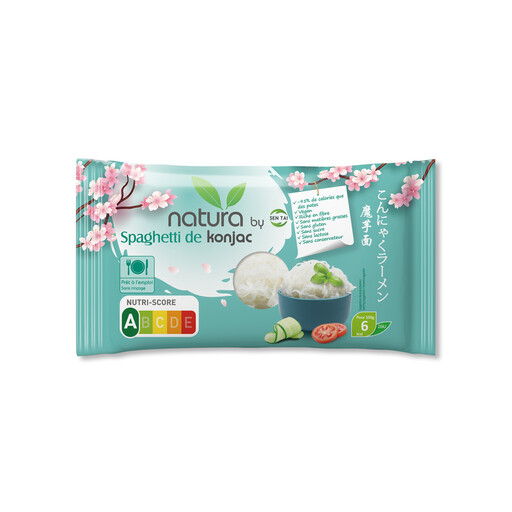 Image unavailable
An alternative to conventional pasta if konjac suits the recipe you want to make. The pack contains 250 g; check the ingredients and preparation instructions on the pack.
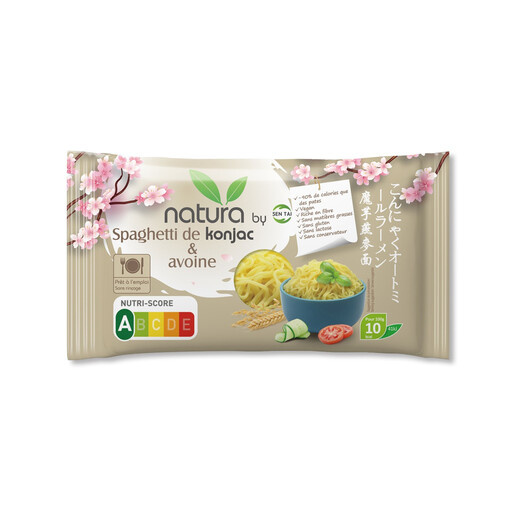 Image unavailable
Another alternative to conventional pasta for a spaghetti-style meal. The pack contains 250 g; check the allergen information carefully, especially if you need to avoid gluten.
Not necessarily. Start by comparing the “of which sugars” figures per 100 g, then choose according to the other features that matter for your meal. If a “reduced sugar” claim is influencing your purchase, check that it appears on the product itself. European regulations govern nutrition claims made on food.
No. Read the “of which sugars” figure separately. Barilla lists 63 g of carbohydrates and 1.7 g of sugars per 100 g for its Penne Rigate Protein+; these two figures answer different questions.
No. The term “wholemeal” doesn’t tell you that. According to the brand, Barilla Penne Rigate wholemeal wheat contains 3.5 g of sugars per 100 g. Compare the exact product with the other pasta you’re considering, and check any claim on its packaging.
Check the ingredients and any traces listed for the product you’re buying. For example, the Carrefour wholemeal pasta listing mentions wheat and possible traces of egg and soya. Don’t assume this warning applies to all pasta.