People making their own pasta salad
You want to control the salt in the cooking water, dressing and toppings. Anses lists table salt, sauces, cured meats and cheese among the dietary sources of sodium to consider.


For a picnic prepared at home, start with plain pasta so you can check its salt content, then control how much salt you add to the cooking water, sauce and toppings. A ready-to-eat pasta salad saves you the preparation, but you’ll need to check the nutritional information for the whole recipe and follow the storage instructions on the packaging.
You want to control the salt in the cooking water, dressing and toppings. Anses lists table salt, sauces, cured meats and cheese among the dietary sources of sodium to consider.
You save time, but need to check the salt content of the whole salad and make sure you can keep it at the right temperature. Pasta salads featured by Auchan carry storage instructions of between 0 °C and +4 °C; check the instructions for the product you choose.
You’re looking for wholewheat pasta for your cold salad and want to compare fibre content too. Barilla states that its Whole Wheat Spaghetti contains 6.5 g of fibre per 100 g; this figure alone doesn’t tell you how much salt is in the prepared recipe.
Choose this: if you’re making the salad yourself and want to control how much salt you add during cooking and when dressing it.
Bear in mind: you’ll need to cook and cool the pasta, then transport the prepared salad.
Choose this: if you prefer this type of pasta and can plan its preparation and storage according to the packaging instructions.
Check: the stated salt content and product-specific instructions, rather than comparing it directly with dried pasta.
Choose this: if you want to skip the preparation and can follow the storage instructions.
The trade-off: the salt content applies to the whole recipe, including the sauce and toppings.
| What to consider | What to check | Who is it for? |
|---|---|---|
| Salt in the recipe | Compare the ‘salt’ line per 100 g for pasta of the same type, then check the sauce and toppings separately. | When I make my salad, I want to control the salt in each addition rather than rely on the pasta alone. Around 42% of consumers are said to prioritise controlling the salt in the recipe. |
| Preparation and storage | For a ready-to-eat salad, check the temperature and date on the packaging, then plan how you’ll transport it accordingly. | If I’m heading out without time to cook, I’m looking for a ready-to-eat meal that I can store as instructed. Convenience and storage are said to be the priority for around 33% of consumers. |
| Type of pasta | Check the shape, ingredients and fibre content if these matter to you, and check the storage instructions for the product you choose. | For my cold salad, I care most about having wholewheat pasta or a particular texture. Around 25% of consumers are said to prioritise their choice of pasta. |
Low-salt pasta doesn’t guarantee a low-salt salad. Anses lists sauces, cured meats and cheese among the dietary sources of sodium.
Check the whole recipe, including the dressing and any accompaniments you plan to add.
These products have different preparation and storage requirements. The stated salt content alone isn’t enough to decide which is best for a picnic.
First compare products of the same type, then check the instructions on each pack.
Daunat and Sodebo pasta salads featured by Auchan carry storage instructions of between 0 °C and +4 °C. You must follow the instructions for the product you buy while transporting it.
Check the label before setting off and plan how to keep the salad at the required temperature.
You may need an insulated bag and ice packs if you don’t already have them.
Its Whole Wheat Spaghetti is a dried pasta option worth considering for a homemade salad.
Its Coquillettes offer another dried pasta shape to consider as the base for a homemade salad.
Lustucru Sélection’s 600 g Tagliatelles are an example of choosing fresh rather than dried pasta.
This dried pasta can be used as the base for a salad prepared before your picnic. Bear in mind the pack size and the salt you add during preparation.
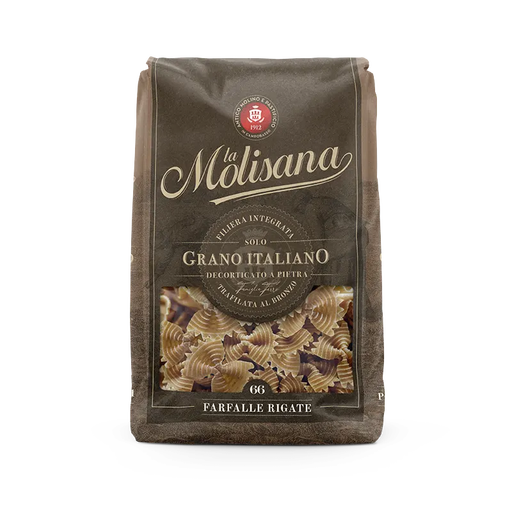 Image unavailable
Worth considering if you’re making pasta salad at home and are looking for this wholewheat pasta shape.
500 g pack. Adjust the salt in the cooking water and check the salt content of any ingredients you add.
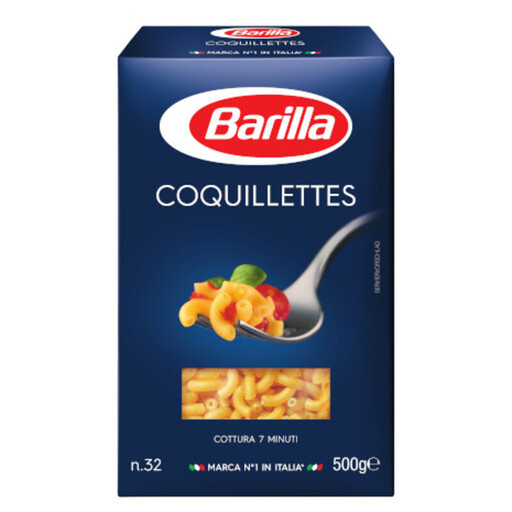 Image unavailable
These coquillettes can be used as the base for a homemade salad, dressed to suit your needs.
500 g pack. Bear in mind the salt added during cooking and in the toppings.
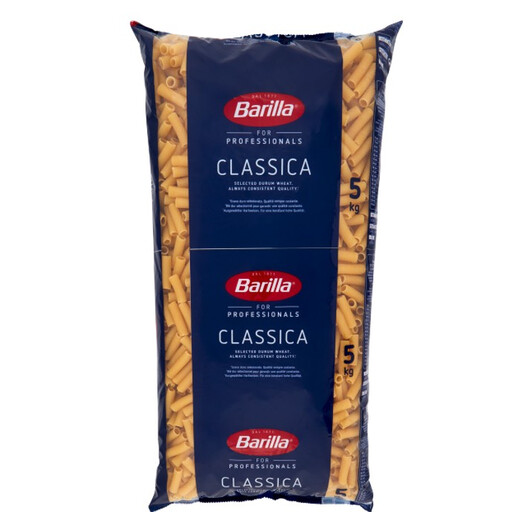 Image unavailable
This pack is suitable for preparing a salad at home if you’re looking for this pasta shape in a larger size.
5 kg pack: check that it’s the right quantity for your needs. Adjust the salt in the cooking water and accompaniments.
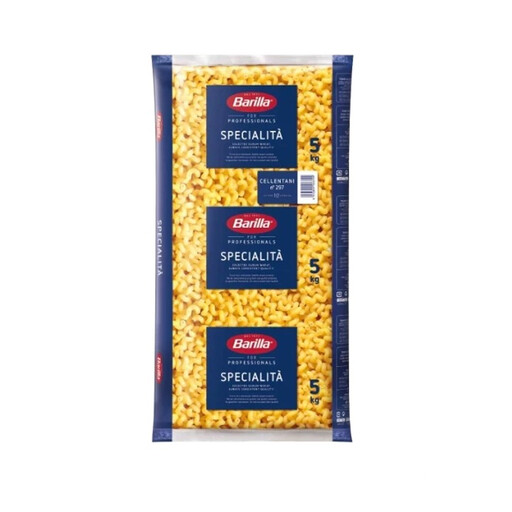 Image unavailable
This is another large-format option for making your own salad.
5 kg pack: check that the quantity suits your needs, then adjust the salt you add to the recipe.
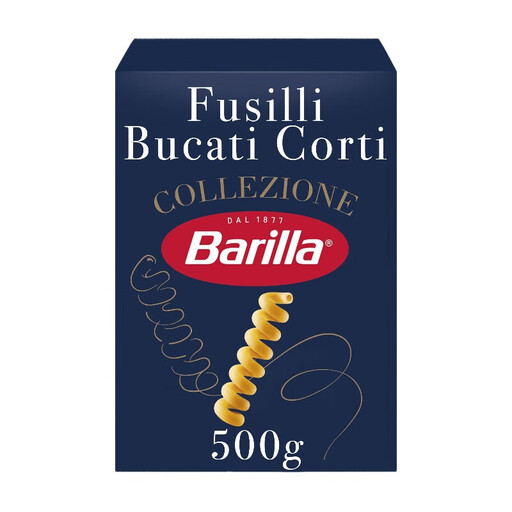 Image unavailable
Consider this option if you prefer this pasta shape for your homemade salad.
500 g pack. Check the salt added during cooking, as well as the salt in the sauce and toppings.
No. Start by comparing the ‘salt’ line per 100 g for pasta of the same type. EU rules regulate nutrition claims, but whether or not a claim appears doesn’t replace checking the nutritional values for the product you choose.
You can adjust the amount of salt you add: Panzani recommends salting the water to taste for its Coquillettes. Also consider the sauce and toppings before adding salt to the finished salad.
Yes, as long as you can follow the storage instructions for the product you buy during transport and until mealtime. Daunat and Sodebo salads featured by Auchan carry storage instructions of between 0 °C and +4 °C; check the label on your product before setting off.
No. Anses warns that potassium-based salt substitutes may pose risks for some people, so they’re not a solution to adopt automatically when seasoning a pasta salad.