Hosts who start with the sauce
You’ve planned a tomato sauce, a bolognese, a creamy sauce or a dish with vegetables or fish. Let the pasta shape guide your choice before you think about the brand.


For a world cuisine night, choose the shape of your 500 g pasta according to the dish. Panzani recommends its spaghetti with classic sauces and its tagliatelle with creamy sauces, while Barilla suggests its linguine for vegetable or fish dishes. If you need to serve at a particular time, check the cooking time for the exact product. In every case, check the ingredients and allergens on the packet you buy.
You’ve planned a tomato sauce, a bolognese, a creamy sauce or a dish with vegetables or fish. Let the pasta shape guide your choice before you think about the brand.
You’re looking for a 500 g packet with a stated cooking time that fits the time you have set aside to serve the meal.
You need to check the ingredients and allergen information on the exact packet, particularly for wheat, soya, mustard or egg, rather than relying on the pasta shape alone.
Decide on the recipe and serving time before choosing a product. Then check the label and whether you can find the packet you want.
| Criterion | What to check | Who is this for? |
|---|---|---|
| Shape and sauce | Choose a shape to suit the recipe. Panzani suggests its spaghetti for bolognese and its tagliatelle for creamy sauces; Barilla pairs its linguine with vegetables or fish. | If I’m planning the meal around a particular sauce, I want to choose a shape that suits the dish. Around 42% of consumers prioritise this match. |
| Cooking time | Check the cooking time and instructions for the exact product. Panzani gives a cooking time of 3 minutes for its 500 g Spaghetti Plat 3 minutes, but this doesn’t apply to other pasta products. | To serve the meal on time, I look for a cooking time I can fit into my preparations. Speed comes first for around 25% of consumers. |
| Ingredients and allergens | Check the ingredients list and allergen information on the packet you buy; these can vary between products. | If a guest needs to avoid an ingredient, I need to be able to check the exact product’s ingredients before choosing it. This is a priority for around 17% of consumers. |
| Availability of the packet you want | Check that the shape and 500 g size you want are available from the shop where you plan to buy your groceries. | If my recipe calls for a particular shape, I want to know whether I can get it for this meal. Around 16% of consumers put availability first. |
The Joybuy listing for Panzani classic spaghetti states that it contains wheat and may contain soya, mustard and egg. This doesn’t describe every pasta product, including other products from the same brand.
If ingredients matter to one of your guests, check the ingredients and allergen information on the exact packet before choosing it.
Recommended pairings vary between manufacturers. Panzani, for example, suggests its tagliatelle with creamy sauces, while Barilla pairs its linguine with vegetables or fish. These are recipe suggestions, not universal rules.
Decide on the sauce first, then choose a shape and check the size of the packet you’ve selected.
Panzani gives a cooking time of 3 minutes for its 500 g Spaghetti Plat 3 minutes; this doesn’t apply to other shapes or products.
Follow the instructions on the packet you buy and use a pan that’s big enough for the amount you’re cooking.
Worth considering for 500 g packets of Spaghetti No. 5 or, if the size suits your needs, linguine, which Barilla pairs with vegetable or fish dishes.
Offers 500 g packets of classic spaghetti, 500 g tagliatelle recommended for creamy sauces, and 500 g Spaghetti Plat 3 minutes.
Worth looking at when your recipe calls for egg pasta: Auchan lists 500 g Lustucru short spaghetti made with fresh eggs.
The range includes 500 g packets of spaghetti for dishes made with long pasta.
E.Leclerc lists organic Bio Village coquillettes in a 500 g pack, worth considering if this shape suits your planned dish.
Its online range includes several 500 g pasta shapes, including spaghetti and other options to add variety to your recipes.
These 500 g packets offer different shapes to help you put together your meal. Match the shape to your sauce, then check the cooking instructions and ingredients for the product you choose.
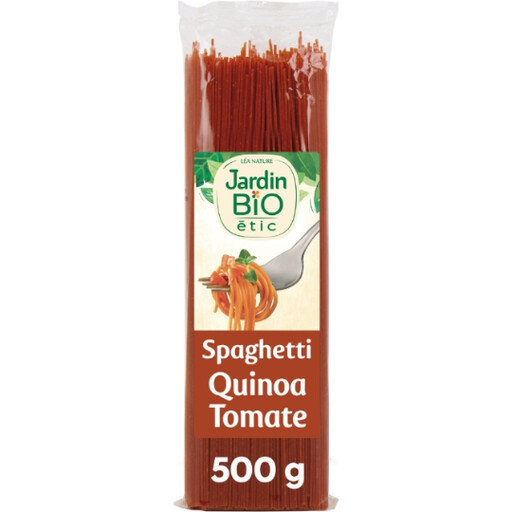 Image unavailable
Worth considering if you’re looking for spaghetti whose name mentions quinoa and tomato for your recipe. Check the ingredients and allergen information on the packet.
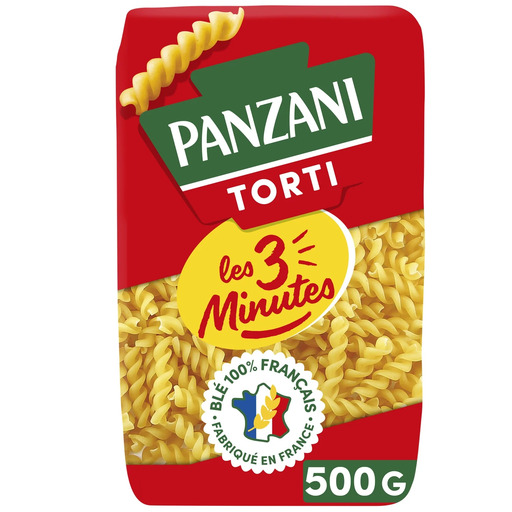 Image unavailable
A shape to consider if you need to serve quickly: the product name gives a cooking time of 3 minutes for these Torti. Follow the packet instructions and check its allergen information.
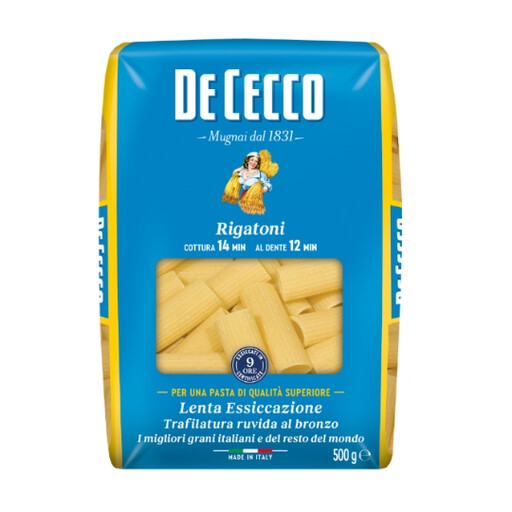 Image unavailable
Worth considering if your menu calls for rigatoni rather than long pasta. Check the packet for the cooking time and allergen information.
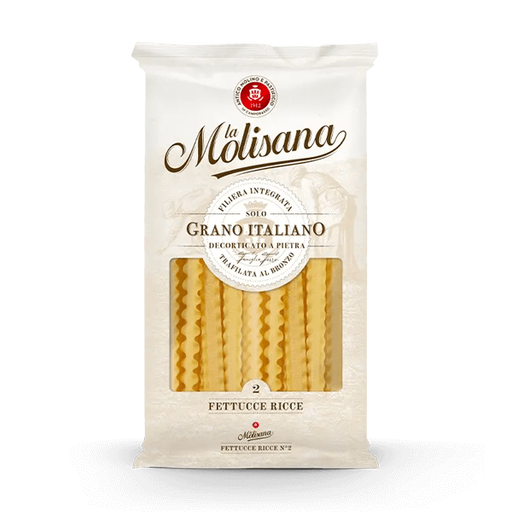 Image unavailable
Worth considering for a dish where you’d like to use ribbon-shaped pasta. Check the cooking instructions and the ingredients and allergen information on the packet.
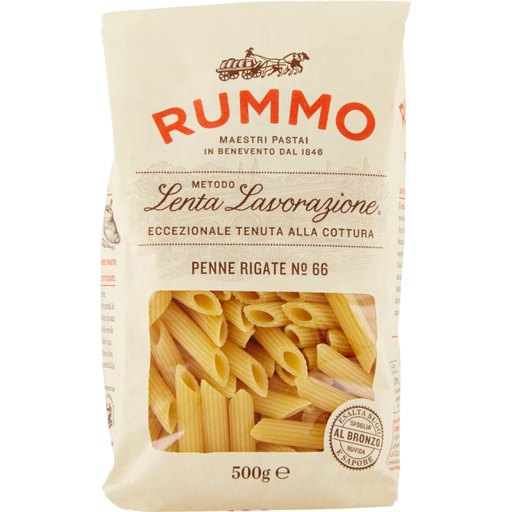 Image unavailable
Another shape to consider if your recipe calls for short pasta. Check the cooking time and allergen information on the packet before preparing your meal.
500 g tagliatelle are one option: Panzani recommends its Les Créatives product for recipes with creamy sauces. This is the brand’s serving suggestion; remember to check the cooking time on the packet you choose, too.
Follow the instructions for the product you’ve bought, rather than those for a different shape. For its Spaghetti Plat 3 minutes, Panzani gives a cooking time of 3 minutes and recommends 1 L of water per 100 g of pasta, which means 5 L for 500 g if you’re cooking the whole packet according to those instructions.
No: the packet weight tells you nothing about the ingredients. The Joybuy listing for Panzani classic spaghetti states that it contains wheat and carries a ‘may contain’ warning for egg. Check the ingredients and allergen information for the exact product.
When choosing a product, check its ingredients list and allergen information in particular. France’s Ministry of the Economy states that food labelling must provide consumers with objective information and be written in French; check the packet you’re actually going to buy.