Households planning several lunches
If you want to buy enough to make several meals, compare the total weight and number of packs. Auchan, for example, offers dried pasta in 1 kg packs and multipacks of 3 × 500 g.


To plan several lunches during the school holidays, dried pasta in a large pack or multipack can be a good choice if you have suitable storage space and will use the amount you buy. If speed is your priority, check the cooking time for the specific product you choose. Fresh pasta needs to be stored as instructed, and its use-by date must be observed. Before buying a product described as a ‘bulk tin’, check whether it is pasta, a tinned product or a storage tin.
If you want to buy enough to make several meals, compare the total weight and number of packs. Auchan, for example, offers dried pasta in 1 kg packs and multipacks of 3 × 500 g.
If you need to fit cooking into a short break, look for the cooking time on the specific pack. Panzani has a ‘Les 3 Minutes’ range, but that cooking time does not apply to all its products.
If you need to avoid certain ingredients or have questions about storage, check the label for each variety. Also distinguish between dried pasta, which is stored in the cupboard, and fresh pasta, which must be kept as instructed and used by the stated date.
First, work out how much you’ll use during the holidays, then check the cooking time and the label of the product you choose.
| Criterion | What to check | Who it matters to |
|---|---|---|
| Stock and pack size | Total net weight, number of packs and storage instructions. | If I’m planning several lunches without making lots of separate purchases, I want an amount my household can use and store. Around 45% of consumers are thought to prioritise stock and pack size. |
| Preparation time | Cooking time for the shape and product you’ve chosen. | When lunch needs to be ready quickly, I look for a cooking time that fits the time I have. Speed is thought to be the main priority for around 33% of consumers. |
| Ingredients and storage | Ingredients list, allergens and any possible traces; use-by or best-before date and storage temperature. | If I need to avoid an ingredient or keep the product chilled, I check the exact product before stocking up. Around 22% of consumers are thought to put this suitability first. |
This phrase could lead you to a storage tin or tinned food, even though a multipack of dried pasta serves a different purpose.
Check the product name and listing to confirm what it is before choosing between pasta and a container.
Three 500 g packs add up to 1.5 kg: the number of packs alone doesn’t tell you how much you’re buying.
Compare the total net weight of the formats you’re considering and choose an amount that suits the meals you have planned.
Storage instructions and dates may differ. The French authorities point out that a use-by date, where applicable, is a strict deadline.
Follow the storage temperature and date shown on fresh pasta. For a cupboard staple, choose a product whose label says it can be stored that way.
Ingredients and possible traces can vary between products, including between regular and wholemeal pasta.
Read the ingredients list and allergen information for each product. The DGCCRF states that allergenic ingredients must be highlighted on the label.
Worth considering for classic dried pasta, multipacks and products advertised as quick-cooking.
A brand to consider for classic dried pasta in large packs or wholemeal varieties.
Worth considering for a lunch made with fresh pasta, gnocchi or filled pasta, rather than for cupboard storage.
A supermarket own brand to include when comparing 1 kg packs of dried pasta.
A retailer whose range lets you compare dried pasta, wholemeal options and fresh pasta separately.
Another place to look for pasta, including loose pasta, depending on the store you choose.
This selection includes two large packs of pasta, multipacks of instant noodles and rice vermicelli in multipacks. Noodles and vermicelli are alternative cupboard staples, not like-for-like substitutes for classic dried pasta in every recipe.
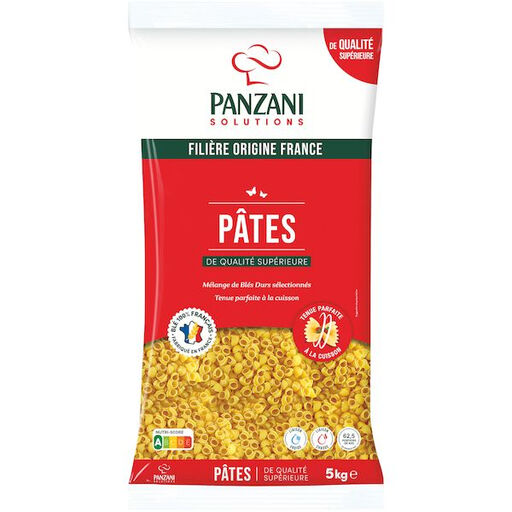 Image unavailable
This large pack could help you plan several lunches if you have room to store it and can use the amount you buy.
Check the pack for cooking time, ingredients and storage instructions after opening.
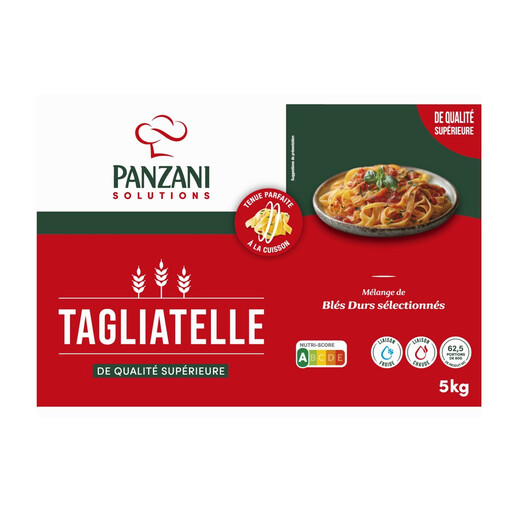 Image unavailable
This 5 kg pack is suited to households planning several meals with this pasta shape and able to manage a large pack.
Check the ingredients, cooking time and storage instructions for this product before buying.
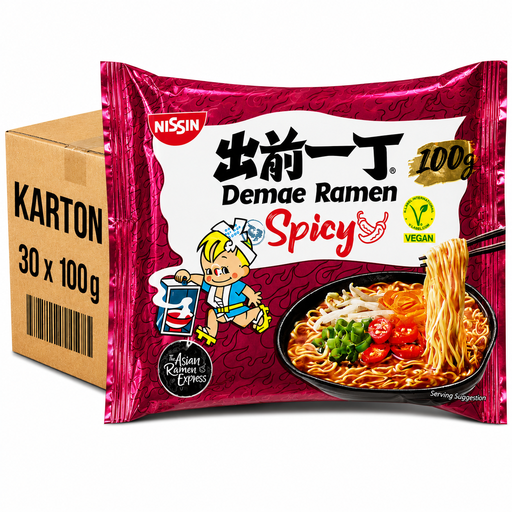 Image unavailable
The individual sachets could be useful if you’re planning lunches with instant noodles rather than classic pasta.
The box contains 30 sachets of 100 g. Check the preparation instructions and ingredients on the product you choose.
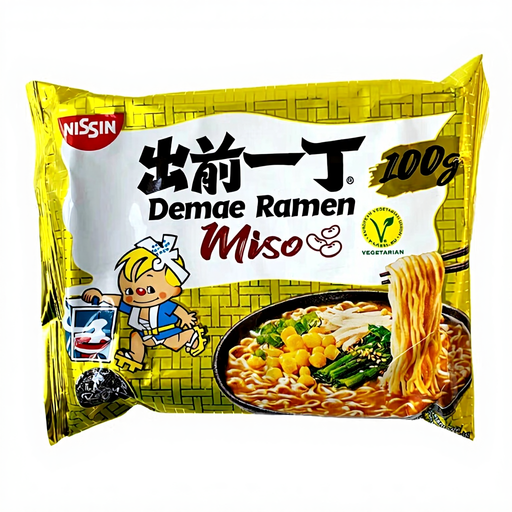 Image unavailable
This multipack of individually portioned instant noodles could be handy for several lunches, if this type of product suits your meal plans.
It contains 30 portions of 100 g. Read the preparation instructions and ingredient information for this Miso variety.
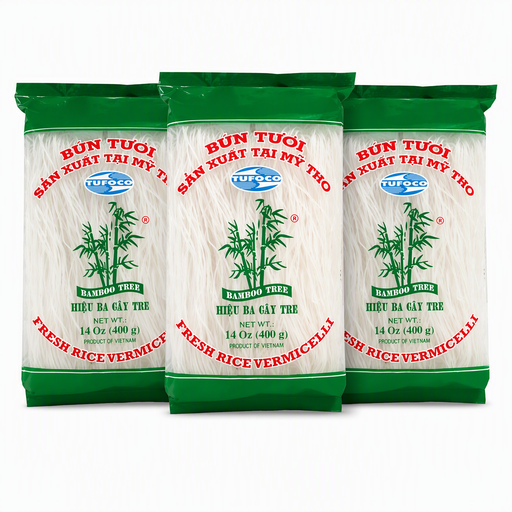 Image unavailable
These individually packed rice vermicelli could add variety to your cupboard lunches, provided the ingredients and preparation suit your needs.
The multipack contains three 400 g packs; check the instructions on the packaging.
No. This phrase alone doesn’t tell you what the product is. Check whether the listing describes a multipack of pasta, ready-to-eat tinned food or a storage tin.
Follow the pack instructions, particularly those on where to store it and how to keep it after opening. Auchan listings for some dried pasta products recommend a dry place, or a cool, dry place. Also check the best-before date on your product.
Yes, but only if the dates and storage instructions for each product cover the meals you’ve planned and can be followed. The French authorities point out that a use-by date is a strict deadline for products that carry one. Fresh pasta therefore shouldn’t be treated like dried pasta kept in the cupboard.
Read the ingredients and allergen information for the exact product, even when several packs are sold together. The DGCCRF states that allergenic ingredients must be highlighted on the labels of prepacked foods.