People making sauce from scratch
If you’re making a tomato-based dish and want to control the seasoning yourself, plain chopped tomatoes give you a base to cook with rather than one that’s already seasoned.


If your dish calls for a tomato base that you can season yourself, choose plain chopped or puréed tomatoes in a multipack rather than a ready-made pasta sauce. A ready-made sauce is a good choice if you’re serving pasta and want its herbs and seasonings. Before deciding how much to buy, settle on the recipe, the number of guests and any ingredients to avoid.
If you’re making a tomato-based dish and want to control the seasoning yourself, plain chopped tomatoes give you a base to cook with rather than one that’s already seasoned.
A ready-made sauce can make this meal easier, as long as its ingredients and seasonings suit the dish you’re serving during the evening.
If you’ll be cooking with it more than once, compare multipacks by distinguishing between chopped tomatoes, plain purée and ready-made sauce. The number of units alone doesn’t tell you what’s inside.
First decide what you’re making, then choose between a base to season yourself and a ready-made sauce. After that, compare the actual quantities in each multipack.
| Criterion | What to check | Who is this for? |
|---|---|---|
| Seasoning the dish | For a tomato recipe you want to customise, check the ingredients in plain chopped or puréed tomatoes before adding your own seasonings. | If I’m making my own tomato and chilli sauce, I want to choose the seasonings rather than start with a pasta sauce recipe. Around 50% of consumers would prioritise this freedom to season to taste. |
| Preparation time | If you’re serving pasta, check what the sauce is intended for and which ingredients have already been added. | When pasta needs to be served quickly, I prefer a sauce whose recipe already suits me. Saving time would be the main priority for around 25% of consumers. |
| Stock-up format | Compare the number of units, their weight and the type of product: 3 × 200 g is 600 g, compared with 1.2 kg for 3 × 400 g. | If I’m preparing several meals without opening all my supplies at once, I look for units that suit the quantities I cook. Around 25% of consumers would prioritise this storage format. |
The ready-made tomato sauces from Panzani and Barilla are intended, among other things, for pasta. The ingredients they already contain may not suit the dish you have in mind.
Choose your recipe before your sauce: pick a tomato base to season yourself if you want to choose the flavourings, or a ready-made sauce if its seasonings suit the pasta you’re serving.
A 3 × 200 g multipack of tomato purée doesn’t provide the same quantity as a 3 × 400 g multipack of chopped tomatoes. Chopped tomatoes and purée are not exactly the same preparation either.
Check the total weight, type of tomato and packaging before choosing a multipack for your cupboard.
A chilli or fermented sauce may contain ingredients that aren’t found in a simple tomato base. If your guests have dietary restrictions, the name of the dish alone won’t tell you which allergens are present.
Check the ingredients list, highlighted allergens and nutritional information for each product. The French Ministry of the Economy reminds consumers that allergens must be highlighted on the labels of pre-packed food.
Canned chopped tomatoes sold in a 3 × 400 g multipack, to use as a recipe base.
Chopped tomatoes listed in a 3 × 400 g multipack in the E.Leclerc catalogue.
Plain tomato purée listed in a 3 × 200 g multipack in the Carrefour catalogue.
A range that includes ready-made tomato sauces for pasta and Tomacouli tomato bases.
A 400 g ready-made tomato sauce that Barilla describes as suitable for pasta or as a sauce base.
A 560 g tomato and onion sauce listed by Lidl France.
These products are for preparing a tomato base that you can season to suit your dish. The Mutti 3 × 200 g multipack is a good option if you need several units. For the other formats, check the packaging if buying a multipack is essential.
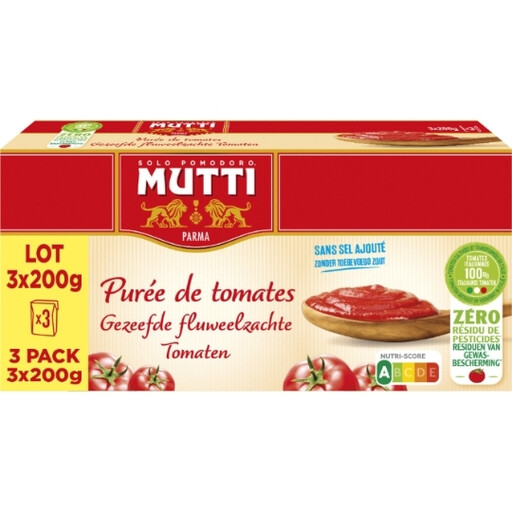 Image unavailable
A multipack of smaller units to consider if you’re making a tomato base to season yourself. Check the ingredients for the product you choose, particularly to see whether salt has been added.
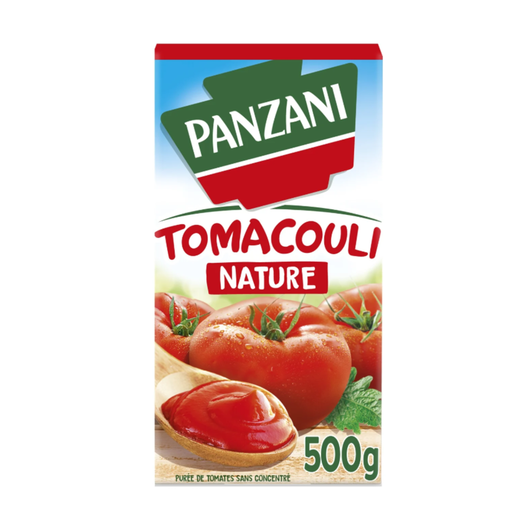 Image unavailable
A 500 g tomato purée to consider if you want to make a sauce to suit the dish you’re serving. Check the packaging if you’d like to buy several units.
 Image unavailable
A 500 g tomato purée for making a sauce that suits your recipe. If you’re looking for a multipack of tins, check the number of units and type of packaging before buying.
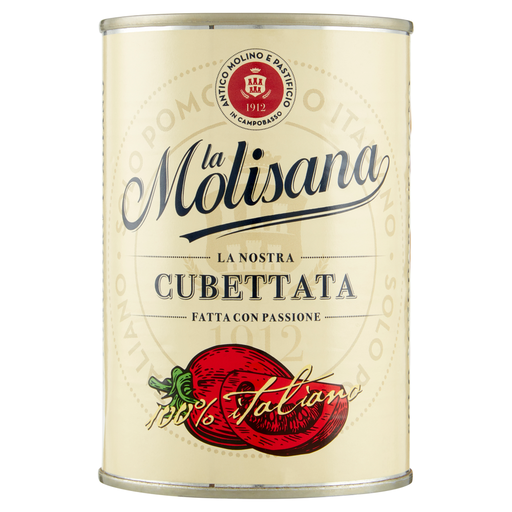 Image unavailable
400 g of diced tomatoes to consider if this texture suits the sauce you’re making. Check the packaging if you need to buy several units.
No, not without knowing what you’re making. Panzani and Barilla describe the products mentioned here as pasta sauces or tomato sauce bases. If you’re making a recipe you want to season yourself, first choose the type of base and the condiments you’ll need.
Check the type of product, the weight of each unit and the total weight, then read the label for the exact product. In France, the Ministry of the Economy reminds consumers that allergenic ingredients must be highlighted on pre-packed food.
Refrigerate any leftover chopped tomatoes and follow the instructions on the packaging. Auchan’s product information recommends using them soon after opening, so choose units that suit the quantities you’ll be cooking with.
Not automatically: its intended use and ingredients need to suit the dish you’re serving. Whether you’re making a dipping sauce or a wok dish, check the recipe and allergens for the condiment you choose rather than relying on the word ‘tomato’ alone.