Parents looking for a ready-made lunch
If you don’t want to cook the pasta separately, look for meals that already contain it. Carrefour lists Panzani Spaghetti Bolognese in a 400 g tin as an individual meal, not as a sauce on its own.


For a lunch during the school holidays, choose an individual pasta meal if you want the pasta and sauce together in one tin: Carrefour describes Panzani Spaghetti Bolognese as a 400 g individual meal. If you already have pasta planned, choose a sauce on its own and check whether the quantity is right for the number of people you’re serving. The product description, ingredients and net weight matter more than the word ‘individual’ alone.
If you don’t want to cook the pasta separately, look for meals that already contain it. Carrefour lists Panzani Spaghetti Bolognese in a 400 g tin as an individual meal, not as a sauce on its own.
A sauce on its own is a good choice if you’re planning to cook the pasta. Panzani offers its Extra Rich Bolognese Sauce in 200 g and 400 g sizes, while Barilla lists its Cooked Tomato Sauce in a 400 g jar. Choose the quantity to suit your planned lunch, rather than assuming one jar equals one portion.
A tomato sauce and a Bolognese recipe won’t necessarily contain the same ingredients. Check the ingredients list and allergens for the product you choose: the Panzani individual meal listed by Carrefour contains wheat, egg and beef, among other ingredients, while the ECO+ Bolognese sauce listed by E.Leclerc contains beef and pork.
First decide whether your lunch should include the pasta or just the sauce. Then check the recipe and quantity: a 400 g meal described as an individual serving and a 400 g jar of sauce don’t serve the same purpose.
| Criteria | What to check | Who is it for? |
|---|---|---|
| Ready-made meal | The words ‘individual meal’ and whether pasta appears in the ingredients. | If I’m not planning to cook pasta, I’m looking for a tin that already contains pasta and sauce. Around 40% of consumers would make this their priority. |
| Recipe ingredients | The types of meat, the ingredients list and the allergens in the specific product. | If there are ingredients I can’t have, I need to be able to tell the difference between tomato sauce and Bolognese and check the allergens. This would be the main concern for around 30% of consumers. |
| Quantity to serve | The net weight and storage instructions if there will be some left after opening. | For a single lunch, I want to choose a quantity I can use without ending up with unexpected leftovers. Around 20% of consumers would put this first. |
| Nutrition information | Nutrition values per 100 g, particularly sugars, fat and salt. | Before choosing a recipe, I want to check its nutrition values on a comparable basis. Around 10% of consumers would make this their first criterion. |
To compare nutrition information, use the same 100 g basis and remember that a sauce on its own and a meal that already contains pasta are two different products. Where displayed, the Nutri-Score doesn’t replace the ingredients list or nutrition table.
The Panzani Spaghetti Bolognese individual meal listed by Carrefour already contains spaghetti. Panzani and Barilla pasta sauces, on the other hand, are meant to be served with pasta cooked separately.
Read the product description before choosing: look for ‘individual meal’ if you want pasta and sauce together, or ‘sauce’ if you’ve already planned the pasta.
With a sauce on its own, you’ll also need to plan for and cook the pasta.
Panzani offers a 200 g or 400 g sauce, while its 400 g spaghetti meal is described as an individual serving. These details describe the products, but they don’t tell you how much will suit every lunch.
Check how many people will be eating and what you’ll do with any leftovers. Follow the storage instructions on the packaging you buy.
The Panzani individual meal listed by Carrefour contains wheat, egg and beef, while the ECO+ Bolognese sauce listed by E.Leclerc contains beef and pork. The general description ‘pasta sauce’ doesn’t tell you about these differences.
Check the ingredients and allergens on the packaging of the product you’re buying, even if you already know the recipe name.
The brand offers both sauces on their own and a ready-made individual pasta meal, so check the product type before comparing formats.
Barilla’s Cooked Tomato Sauce is a 400 g sauce on its own, to serve with pasta cooked separately.
The retailer lists a range of ready-made pasta meals in different sizes, including the 400 g Panzani Spaghetti Bolognese individual meal.
The 420 g ECO+ Bolognese sauce listed by E.Leclerc is intended to be served with pasta cooked separately.
These three products are sauces on their own, in 200 g or 400 g sizes, to consider if you’re cooking the pasta separately. For a lunch that already includes pasta, look for a product described as a ready-made pasta meal.
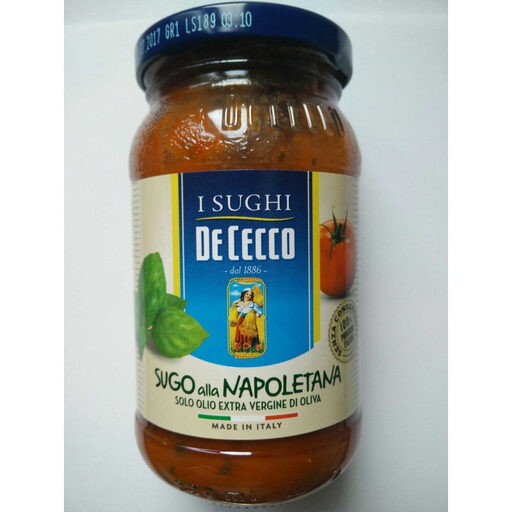 Image unavailable
Worth considering if you’ve already planned to have pasta and want to buy a 200 g sauce. The quantity alone doesn’t determine how many portions will suit you.
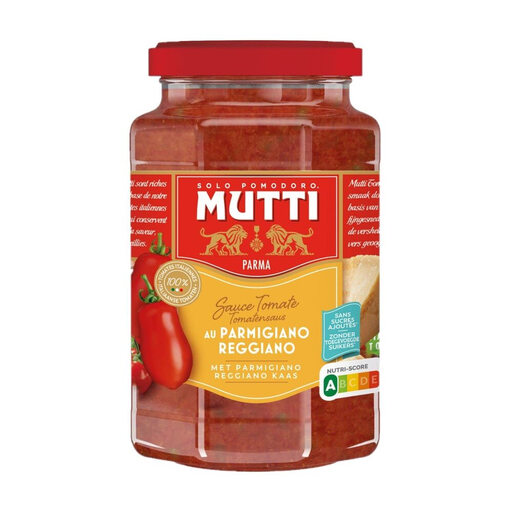 Image unavailable
Worth considering if you’re cooking the pasta separately and plan to use a 400 g jar. If you need to avoid milk, check the ingredients list and allergens on the packaging.
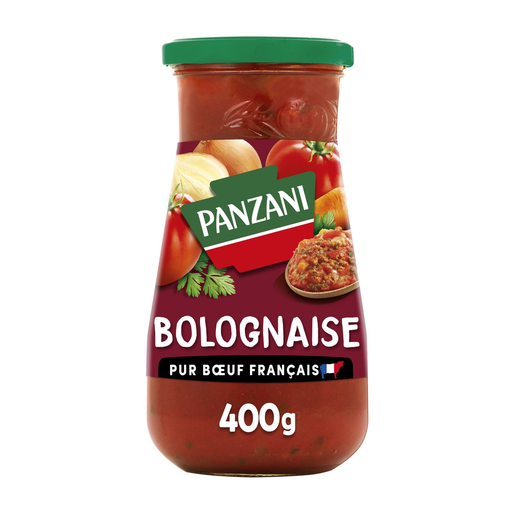 Image unavailable
Worth considering if you’d like a beef Bolognese sauce and plan to cook the pasta separately. Check whether the 400 g size is right for the number of people you’re serving.
No. The Panzani Spaghetti Bolognese individual meal listed by Carrefour already contains spaghetti, while a sauce on its own is added to pasta cooked separately. Read the product description when choosing, rather than relying on the packaging alone.
Check the allergens listed on the packaging of the specific meal you’re buying. The Panzani Spaghetti Bolognese individual meal listed by Carrefour contains wheat and egg, among other ingredients; another recipe may have a different composition.
Read their nutrition values on the same basis, usually per 100 g, then look at the things that matter to your choice, such as sugars, fat and salt. The French Directorate-General for Competition Policy, Consumer Affairs and Fraud Control explains that presenting values per 100 g or 100 ml makes comparisons easier. Also consider the ingredients and how much you’ll use.