
Livraison le jour même ou le lendemain

Qualité garantie

Débloquez vos offres de bienvenue: Livraison GRATUITE | Jusqu'à -80 % | 30 jours d'essai gratuits à JoyPlus
Téléchargez l'application
A ready-made pasta sauce can save a weeknight dinner, accompany a homemade pizza or provide the base for a more elaborate recipe. But the label does not always tell you everything. A beautiful picture of ripe tomatoes, the words “Italian recipe” or a large format are not enough to determine whether the product is genuinely right for your household.
Before you reach the checkout, three common pitfalls are particularly worth avoiding:
For a simple tomato sauce, start by checking the proportion of tomatoes — whether in the form of chopped tomatoes, purée or concentrate. A recipe made mainly from tomatoes is better suited to those who like to adjust the seasoning themselves. Conversely, a sauce already cooked with onion, garlic, peppers or herbs can save time.
The PANZANI Tomacouli Sauce 700 g, for example, contains 99.4% tomato purée and pulp, with salt and natural basil flavouring. This short ingredients list makes it a good base for pasta, pizza or a slow-cooked dish. The MUTTI Passata la Vellutata Sauce 700 g is likewise limited to tomatoes and salt, with 36 kcal per 100 g according to the information provided.
For a more developed texture and seasoning, De Cecco’s tomato and basil sauce contains 90% tomato pulp, 1.3% basil, extra virgin olive oil, onion and rice starch.
A sauce’s sweet taste does not necessarily come from the tomatoes alone. Compare the “of which sugars” line, as well as the amount of salt per 100 g. PANZANI Tomacouli contains 0.45 g of salt per 100 g, compared with 3.2 g for Barilla Pesto Genovese. These two products are therefore neither intended for the same use nor suited to the same preferences.
Pestos are often higher in fat because they contain oil, cheese and nuts. SACLA Basil Pesto Genovese Pasta Sauce 190 g, for example, provides 39.9 g of fat per 100 g. It contains 47% basil, as well as Grana Padano and Pecorino Romano. This type of sauce is generally used in small quantities, mixed directly into still-hot pasta.
The presence of milk, egg, gluten, soya or nuts should be checked on the packaging, even when a product appears to be plant-based. Genovese pesto often contains cheese and cashew nuts. Barilla Ricotta & Walnut Pesto 190 g contains ricotta, Grana Padano, walnuts and cashew nuts, among other ingredients.
Some products are presented as vegan or gluten-free in their product information. However, it remains essential to check the labelling when buying, particularly in the case of an allergy. For very young children, choose only a product whose recommended age corresponds to the child’s age. The BLEDINA BLEDICHEF Bolognese Spaghetti dish, for example, is indicated as suitable from 12 months and contains gluten, egg and celery.
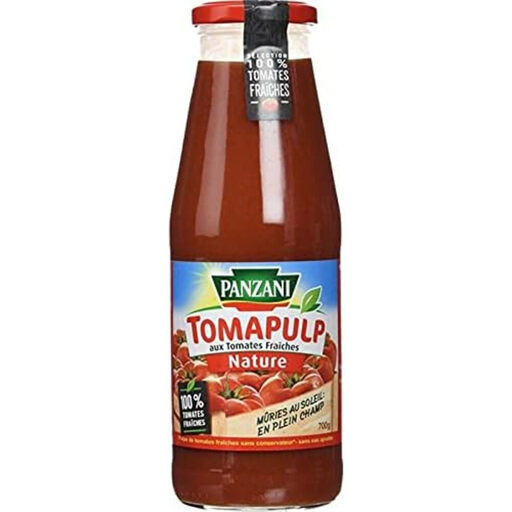
Why this choice suits this profile : Its large format is ideal for family meals, while its simple ingredients give you plenty of scope to add herbs, vegetables or spices.
Tomatoes account for 99.4% of the recipe, limiting added ingredients compared with a heavily seasoned sauce.
700 g, 29 kcal per 100 g according to the product information, and suitable for use with pasta, on pizza or in a slow-cooked dish.
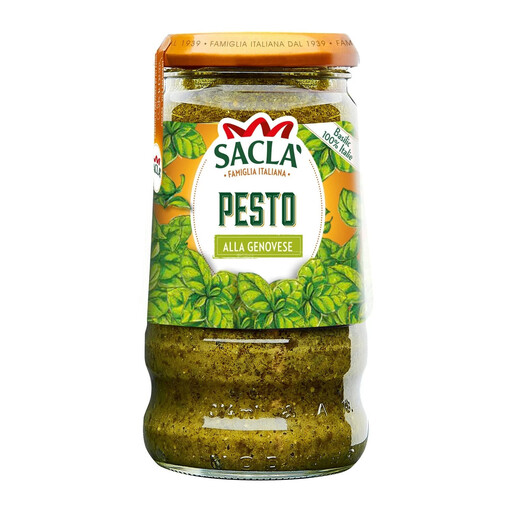
Why this choice suits this profile : This recipe is ideal for those looking for a Genovese pesto with a pronounced basil flavour, enhanced by several Italian cheeses.
The basil content is stated as 47%, providing a clear benchmark beyond simple claims of tradition.
Basil, Grana Padano, Pecorino Romano, pine nuts and extra virgin olive oil in a 190 g jar.
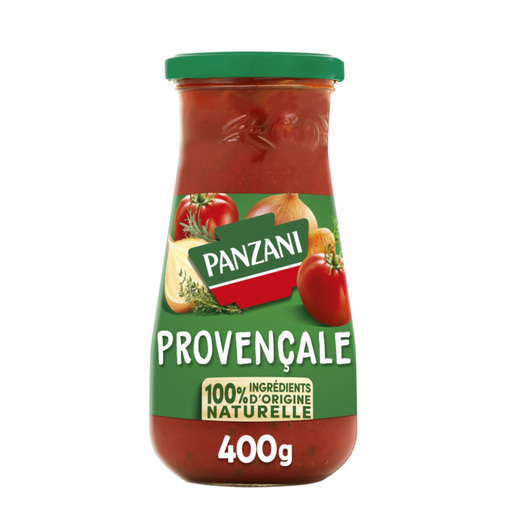
Why this choice suits this profile : Its vegetable and herb profile is suitable for vegetarian meals, as well as pasta, chicken, fish and everyday dishes.
The product information states that it contains 75% tomato purée and pulp, 13% vegetables and 0.3% herbes de Provence.
Recipe listed as vegan and gluten-free, with 56 kcal per 100 g according to the information provided.
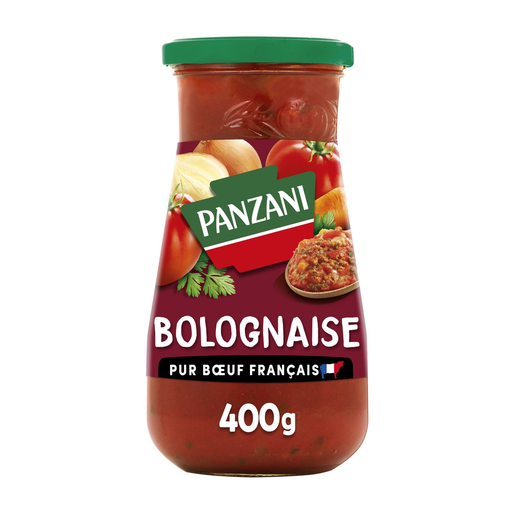
Why this choice suits this profile : This Bolognese sauce is ideal for quick meals when you want a ready-cooked meat recipe.
The beef content is clearly stated as 12%, while tomatoes account for 76% of the recipe.
400 g format, with beef, carrot, onion, garlic and herbs. Simply heat before serving.
We have put together a complete, real-time updated list of products that meet these demanding selection criteria and European safety regulations.
Pasta sauce is generally reheated over a low heat in a saucepan. For pesto, mix it directly into the still-hot pasta with a little cooking water to loosen it. Avoid boiling it for too long, as this could affect its texture and flavours.
After opening, check the storage time stated on the label:
If necessary, transfer the sauce to a clean, airtight container. For a family, 700 to 950 g formats can be practical. Conversely, 190 to 400 g jars help limit leftovers when cooking for one or two people.
Passata is generally a smooth tomato purée. Coulis can be more or less fluid and is often used as a cooking base. Ready-made tomato sauce, on the other hand, contains herbs and spices, oil, onion, garlic or other vegetables. To find out the exact recipe, nothing replaces the ingredients list.
Yes, tomato sauce or coulis can work perfectly well as a pizza base. However, choose a texture that is thick enough to prevent the dough from becoming soggy. If the sauce is very runny, reduce it quickly in a saucepan before spreading it over the base.
Check the stated age, texture, allergens and storage instructions. The Blédina product featured here is specifically indicated as suitable from 12 months. For food intended for a young child, the label and healthcare guidance should take priority over the claims displayed on the packaging.