Parents making pasta at home
You’re looking for a sauce to add to pasta you’ve already cooked. The format should suit the portions you’re preparing, and it’s important not to confuse sauce on its own with a complete meal.


If you’re making pasta at home for a school lunchbox, choose a ready-to-use sauce by checking its recipe and how much you’ll need. A frozen pasta meal is a different option, not a substitute for sauce: you’ll need to follow its preparation and storage instructions, as well as the school’s rules on meals and allergens.
You’re looking for a sauce to add to pasta you’ve already cooked. The format should suit the portions you’re preparing, and it’s important not to confuse sauce on its own with a complete meal.
Check the ingredients on the exact product you’re buying, along with the arrangements in place at school. The French Ministry of Education says an individual care plan, or PAI, can be put in place for a pupil with a food allergy.
You’ll need to distinguish a meal that needs cooking from a sauce on its own, and check that its storage, preparation and serving requirements fit your lunchbox arrangements.
First decide whether you need a sauce for pasta cooked at home or a complete meal. Then check the recipe, allergens and storage instructions for the product you choose.
Choose this if: you’re cooking pasta at home and want to add a sauce.
Bear in mind: the sauce doesn’t include pasta. Once you’ve put the meal together, you’ll need to plan how to transport and serve it.
Consider this if: you’re looking for a meal that already includes pasta and can follow the preparation instructions before mealtime.
Bear in mind: the product must be stored according to the instructions on its packaging before cooking. Also check how it can be served at school.
| What to consider | What to check | Who it matters to |
|---|---|---|
| Format and portions | Tell the difference between sauce on its own and a complete meal; compare the net weight with the portions you’ll actually prepare. | When I’m already cooking the pasta, I want enough sauce for the portions I’m making, so there’s less left over. Around 36% of shoppers would make this their priority. |
| Allergens and school rules | Read the ingredients and allergen information for the exact product; check the school’s arrangements and whether a PAI is in place. | If my child needs to avoid an ingredient, I need to be able to choose a recipe that fits the guidance for them. Around 29% of shoppers would prioritise this. |
| Storage and serving | Follow the instructions before and after opening; confirm how the meal can be stored and served at school. | When food is being taken to school, I want to know how it will be stored and served. Around 21% of shoppers would put these arrangements first. |
| Recipe | Check the ingredients and type of sauce, such as tomato and basil, Provençal or a creamy recipe. | When I’m making the pasta, I first look for a recipe that suits the meal I have planned. Around 14% of shoppers would make this their priority. |
The Carrefour Extra pasta pan cited in the research already contains pasta, poultry and a creamy sauce. Its ingredients and storage requirements are therefore different from those of a simple sauce to pour over pasta.
Decide whether you’re making the pasta yourself or buying a complete meal, then check the recipe and instructions for that specific product.
Recipes vary from one product to another. Barilla describes its Sauce Basilico as “gluten-free”, while the Carrefour Extra frozen pasta pan featured here contains wheat and milk, among other ingredients. Neither detail applies to an entire category.
Read the label every time you buy. The DGCCRF says allergenic ingredients in pre-packed foods must be highlighted in the ingredients list. If this affects your child, also follow the arrangements agreed with the school.
The Carrefour Extra pasta pan product information says to store it at −18 °C before cooking and not to refreeze it after defrosting. These instructions alone don’t mean that a prepared meal can be kept in any type of lunchbox.
Anses recommends transporting frozen products in an insulated bag and keeping transport time to a minimum. Then check the preparation instructions and how the meal can be stored and served.
Depending on how the meal is organised, you’ll need an insulated way to transport it and suitable equipment for storing or serving it.
These products show the range of recipes and formats available. Always check the label of the specific product you plan to use.
Ready-to-use tomato sauces include a fresh tomato and basil recipe in a 400 g jar sold by Auchan, and a 650 g Provençal sauce listed on Joybuy.
Barilla’s Sauce Basilico is available in 200 g and 400 g formats.
Carrefour offers, among other products, a 420 g Classic' Neapolitan sauce and a separate 900 g Extra frozen pasta pan.
The range includes a 420 g TURINI tomato and basil sauce sold by E.Leclerc.
Auchan offers a 300 g tomato and basil sauce in a resealable pouch.
These are sauces to add to pasta cooked separately, not frozen pasta meals. Choose the format and recipe to suit the portions you have planned, then make arrangements for storing the meal you’re taking to school.
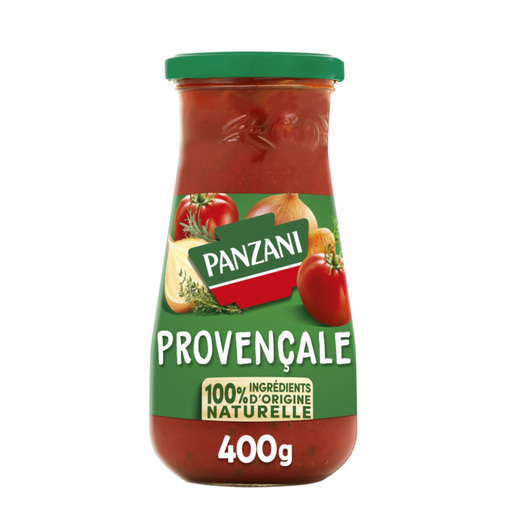 Image unavailable
A Provençal sauce to add to pasta cooked at home.
Format: 400 g. Follow the packaging instructions for storing this product after opening.
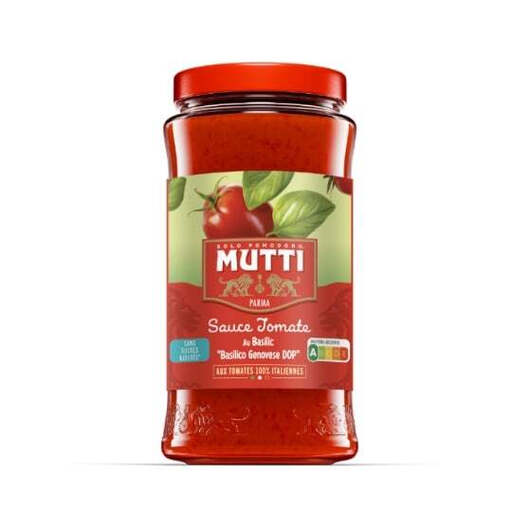 Image unavailable
A sauce to serve with cooked pasta when making a meal at home.
Check the ingredients, format and storage instructions on the product you buy.
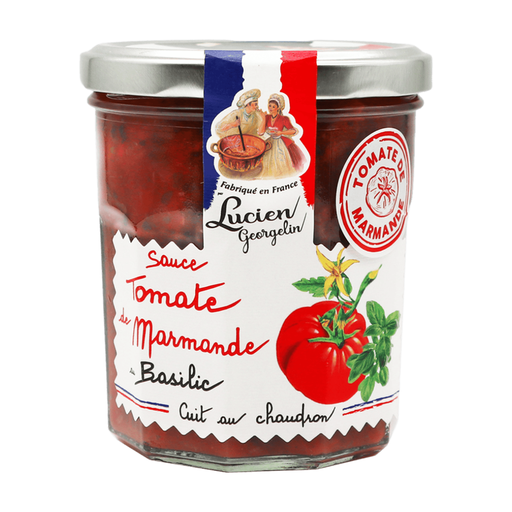 Image unavailable
A tomato and basil sauce to serve with pasta cooked at home.
Format: 300 g. Check the label for the ingredients and allergens in this product.
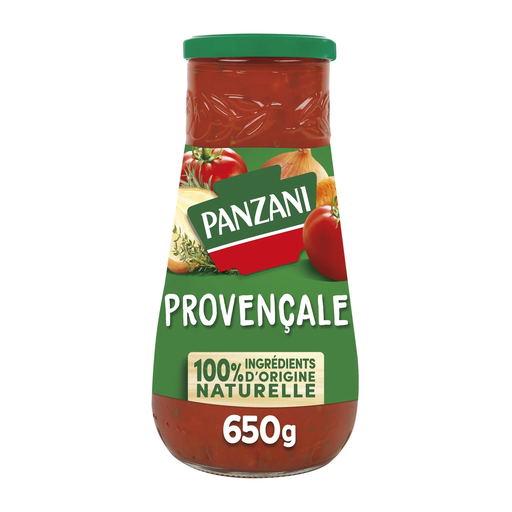 Image unavailable
A Provençal sauce in a larger format to consider if you’re making several portions of pasta at home.
Format: 650 g. According to Joybuy’s product information for this item, refrigerate the sauce and use it within 3 days of opening.
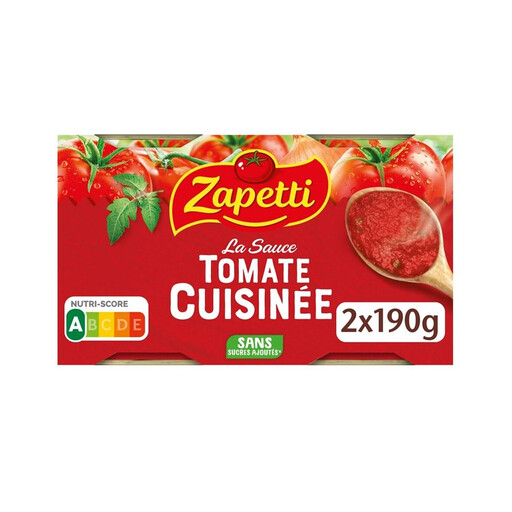 Image unavailable
Two separate jars of tomato sauce to serve with pasta cooked separately.
Pack of 2 × 190 g. Once you’ve opened a jar, follow the storage instructions on its packaging.
No. It depends on the product. Barilla describes its Sauce Basilico as “gluten-free”, but this doesn’t automatically apply to other sauces. A frozen pasta meal, on the other hand, may contain wheat. Read the label on the product you buy.
Check the ingredients and allergen information for each product you buy, as well as the arrangements the school has made for your child. The DGCCRF says allergenic ingredients must be highlighted on the labels of pre-packed foods. According to the French Ministry of Education, a PAI can set out the adjustments needed for a pupil with a food allergy.
Only if its preparation, storage and serving requirements fit the arrangements you have in place. The Carrefour Extra pasta pan featured here must be stored at −18 °C before cooking. Check its instructions and make sure the school can accommodate it before choosing it for this meal.
Follow the guidance for the product you’ve bought rather than applying one rule to every sauce. Joybuy’s product information for Panzani Provençal sauce 650 g says to refrigerate it and use it within 3 days of opening. The information for Auchan tomato and basil sauce 300 g says to refrigerate it and use it within 8 days of opening.