For a single plate of pasta, start by comparing compact 200–210 g packs. They leave you with less sauce to store than a large container, though they won’t necessarily be the right portion for everyone. If you’re planning several meals, a larger pack may suit you, as long as you follow the storage instructions after opening. For a meal around a bike ride, choose a recipe to suit the whole dish, its ingredients and your dietary requirements, rather than expecting the sauce alone to play a particular nutritional role.
Who is this choice for?
Cyclists cooking for one
You’re making a plate of pasta and would rather not have a large opened container left over. Ready-made sauces are available in 200 g jars from Barilla and 210 g jars from Panzani, for example. Check how much you’re actually likely to use.
Cyclists planning meals around training
You choose the sauce alongside the pasta and other foods in your meal, without expecting it to meet your needs on its own. INSEP classifies pasta as a starchy food; the sauce recipe is a separate factor to consider.
Shoppers who check the label
You compare sugars, fat, salt and ingredients, or need to check for allergens. If you’ll use the container for several meals, the storage instructions after opening matter too.
What should you check before buying?
First, decide how much sauce you expect to use. Then compare recipes on the same basis and check the details for the specific product you’re buying. A compact net weight doesn’t, on its own, define a portion for a meal around a bike ride.
| What to consider |
What to check |
Who it matters to |
| Pack size and leftovers |
Compare the net weight with the number of meals you’re planning, and read the instructions for after opening. |
I’m cooking just one plate and don’t want a lot of opened sauce left over. Around 36% of shoppers put managing pack size first. |
| What’s in the meal |
Compare the nutritional information per 100 g, then consider how much sauce you’ll serve with the pasta and other foods. |
Around my bike rides, I want to know what the sauce adds to the whole meal without confusing it with the pasta. This is the priority for around 29% of shoppers. |
| Recipe and ingredients |
Check whether it contains meat, and read the ingredients list and allergen information for the product you’ve chosen. |
A dietary requirement or recipe preference determines what I can put on my plate first; around 21% of shoppers prioritise this suitability. |
| Product availability |
Check the product and pack size with the shop or collection service you plan to use. |
If I’m planning several meals, I want to be able to find a pack size that suits the way I organise them. For around 14% of shoppers, finding the right product comes before other considerations. |
Mistakes to avoid
-
Expecting the sauce to make a meal on its own
Sauce complements pasta, but its ingredients don’t tell you what’s in the whole dish. INSEP distinguishes starchy foods from other parts of a meal.
Choose a sauce based on its recipe and the amount you’ll serve, while considering the pasta and any other planned foods separately.
-
Opening a large pack for one plate without planning what to do with the rest
A 680 g container, such as the one from Carrefour Classic’, leaves you with more sauce to manage than a 200 g jar if you only use some of it.
Plan how you’ll use the rest before buying, and follow the storage instructions on the product you choose. The two 200 g Auchan Bio sauces mentioned here say to store them between 0 and 4 °C and consume within 48 hours of opening.
If you don’t plan another meal within the stated timeframe, you may have to throw some of the contents away.
-
Comparing only the front of the pack
A Nutri-Score or recipe name won’t tell you, on its own, how much salt, sugar or fat two sauces contain.
Check the nutritional information per 100 g, as well as the ingredients and allergen information. The DGCCRF says that nutritional declarations are given per 100 g or 100 ml.
-
Assuming all tomato sauces have the same ingredients
The recipes mentioned here differ: Carrefour Classic’ sauce lists celery, while Auchan Bio’s Bolognese contains beef. Auchan Bio’s basil sauce also warns that it may contain traces of milk, celery and mustard.
If you have an allergy or avoid certain foods, check the ingredients list and allergen information on the packaging of the product you buy.
Brands and ranges to know
These products show a range of pack sizes and recipes to compare. The details mentioned apply to the specific products listed, not every sauce from each brand.
Panzani
Panzani offers its Tomates Cuisinées sauce in 210 g, 400 g and 650 g packs.
- The 210 g pack is worth considering if you’re looking for an amount closer to what you might use for one meal.
- The Nutri-Score A shown by the brand applies to this product; it doesn’t describe all Panzani sauces or the whole meal.
Barilla
Barilla France offers its Basilico sauce in 200 g and 400 g packs.
- The 200 g pack is a compact size to consider for a plate of pasta.
- The brand’s ingredient and gluten-free information applies to Basilico, not its other recipes or the pasta served with it.
Carrefour Classic'
Carrefour offers a cooked tomato sauce in a 680 g jar.
- The product details let you check the ingredients, including celery, and nutritional values per 100 g.
- If you’re only making one plate, you’ll need to plan how to use the rest.
E.Leclerc / Turini
E.Leclerc offers several tomato-based Turini products, including 180 g and 190 g packs.
- These smaller packs are worth looking at if you’re cooking for one.
- Check the exact recipe and whether it’s available at the store where you plan to shop.
Auchan Bio
Auchan offers a tomato and basil sauce and an organic Bolognese sauce, among others, in 200 g jars.
- Their product information includes ingredients, nutritional details and storage instructions for after opening.
- The Bolognese contains meat; check the ingredients and allergen information for each recipe separately.
Baresa / Lidl
Lidl offers Baresa tomato and onion sauce in a 560 g pack.
- This pack size is worth considering if you’re planning to use it more than once.
- If you’re making just one plate, think about what you’ll do with the rest once it’s open.
Pasta sauces available on Joybuy
These products let you compare two 190 g pestos with sauces and seasonings in other sizes. For a meal for one around a bike ride, check the recipe, how much you’ll use and the packaging instructions: the net weight doesn’t necessarily equal one portion.
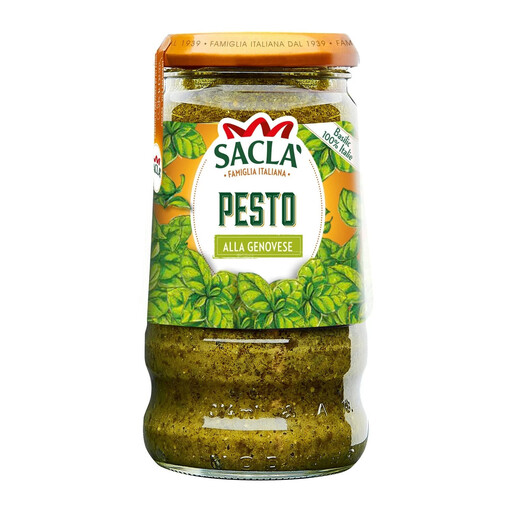 Image unavailable
SACLA Basil Pesto Genovese, 190 g
Worth considering if you’d like to serve pesto with pasta and compare a 190 g pack. Check the ingredients, allergen information and storage instructions for after opening on the packaging; 190 g doesn’t necessarily mean one portion.
View on Joybuy
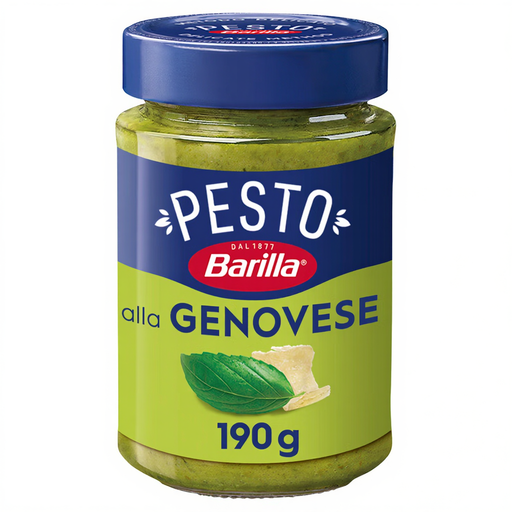 Image unavailable
Barilla Pesto Genovese, 190 g
Another 190 g pesto to compare for pasta prepared at home. Decide how much you’ll serve, then check the packaging for ingredients, allergen information and how to store any leftovers.
View on Joybuy
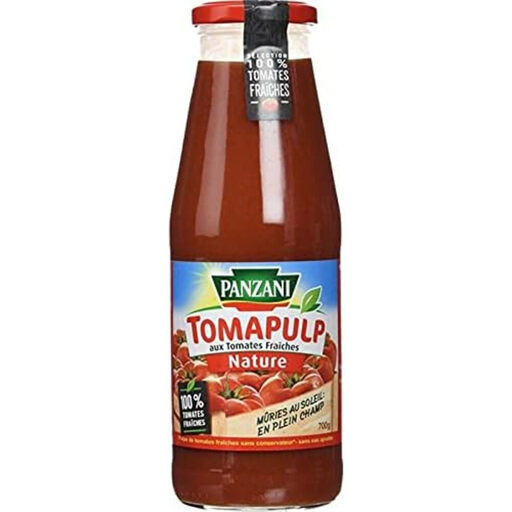 Image unavailable
Panzani Tomacouli, 700 g
This 700 g sauce is worth considering if you’re planning to use it more than once, rather than for a single plate. Check the type of container and the storage instructions for the product you buy.
View on Joybuy
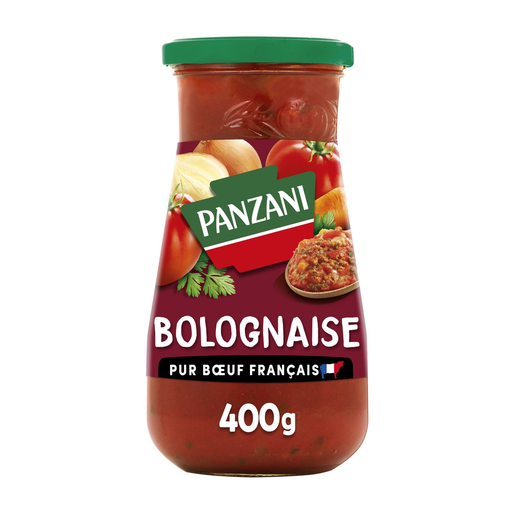 Image unavailable
Panzani Pure Beef Bolognese, 400 g
This 400 g beef Bolognese sauce is worth considering if the recipe suits your diet and you’ve planned what to do with the rest. Check the allergen information and storage instructions for after opening on the packaging.
View on Joybuy
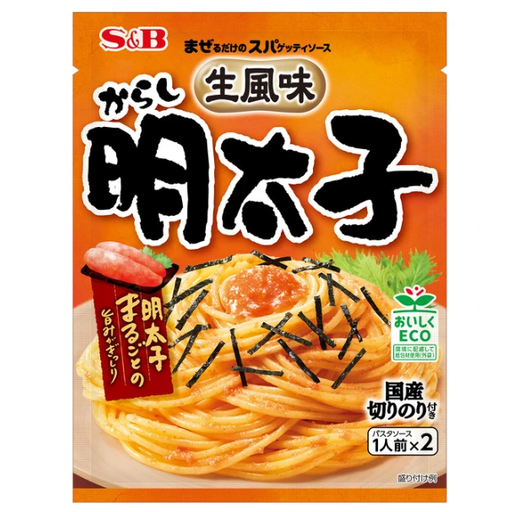 Image unavailable
S&B Spaghetti Sauce Spicy Raw Cod Roe Flavor, 53.4 g
This 53.4 g spaghetti seasoning is worth considering if you’re looking for a smaller amount, though its weight doesn’t tell you how many plates it will serve. Check the type of container, allergen information and nutritional values on the packaging before comparing it with other sauces.
View on Joybuy
Frequently asked questions
Does a 200 g container count as one portion for a cyclist?
No: 200 g tells you how much sauce is in the container, not how much to serve. Decide on an amount to suit your dish and the other foods in the meal, rather than treating the pack weight as nutritional advice.
Is sauce enough to make a meal after a bike ride?
The sauce alone doesn’t tell you what’s in a pasta meal. INSEP classifies pasta as a starchy food, so consider the amount served, the sauce recipe and the other foods in the meal together.
How long can you keep sauce after opening?
Follow the instructions on the product you’ve bought. For the 200 g Auchan Bio basil and Bolognese sauces mentioned here, Auchan says to refrigerate them between 0 and 4 °C and consume within 48 hours of opening. This timeframe doesn’t automatically apply to other sauces.
What should you compare on the labels of two pasta sauces?
Compare their nutritional information on the same basis, then check their ingredients, allergen information and net weights. The DGCCRF says nutritional declarations are given per 100 g or 100 ml, so you can compare different-sized containers without confusing their values with those of the whole dish.
Is the Nutri-Score enough to choose between two recipes?
No: it doesn’t replace checking the ingredients, allergen information and nutritional details per 100 g. Also consider how much sauce you plan to serve, especially if the recipes or pack sizes differ.


