A team preparing several portions
You’re planning to serve several plates of pasta at the same lunch. A larger pack could suit your needs if you know what to do with any leftover sauce and can store it according to the label.


A 1 kg ready-to-use sauce is a good choice if you’re preparing several portions and can store any leftovers according to the product instructions. The 1 kg option from Coup de Pates is sold in packs of six. For a one-off lunch, you could also compare the 650–680 g jars from Panzani and Auchan. Before choosing, check the sauce’s net weight, ingredients and storage instructions after opening.
You’re planning to serve several plates of pasta at the same lunch. A larger pack could suit your needs if you know what to do with any leftover sauce and can store it according to the label.
You’re preparing just a few portions and would rather open an amount that suits the meal. Compare smaller pots with larger jars before deciding how to store any opened sauce.
For a shared meal, whether the sauce contains meat and what it says about allergens matter just as much as the pack size. Check the ingredients for each product you choose.
For lunch at the office, start by working out how much sauce you’ll use, then check how to store any leftovers and what the recipe contains.
| What to consider | What to check | Who it matters to |
|---|---|---|
| Quantity and pack size | Check that the net weight refers to the sauce, and see whether the product is sold individually or in a multipack. Coup de Pates lists its 1,000 g Bolognese sauce in packs of six. | If I’m preparing several plates for the team, I want to buy enough sauce for the meal without confusing the sauce with the pasta. Around 40% of consumers would make this pack size their priority. |
| Storage after opening | Check the label for storage time and temperature. For its 680 g jar, Auchan says to store it between 0 °C and +4 °C and use it within 48 hours of opening. | If I’m only using some of the jar, I need to be able to store the rest as instructed. Storage would be the top priority for around 30% of consumers. |
| Ingredients and allergens | Check the ingredients list and allergen information for the exact product, especially if you’re sharing the meal. Bolognese recipes and tomato sauces don’t necessarily contain the same ingredients. | Before serving several colleagues, I want to know whether the recipe contains meat or lists allergens that may be relevant to them. Around 30% of consumers would make this check a priority. |
A search for “1 kg pasta” may show pasta rather than the sauce you need for your meal.
Check the product name and the sauce’s net weight before adding it to your basket.
The 1,000 g Bolognese sauce listed by Coup de Pates is sold in packs of six, so the amount you order may be more than you need for the planned meal.
Check how many items are included and compare that with how much the team will actually use.
You’ll also need storage space for any unopened packs.
According to its product information, Auchan’s 680 g cooked tomato sauce should be stored between 0 °C and +4 °C and used within 48 hours of opening.
Before opening a large pack, make sure you can refrigerate the remaining sauce and follow the instructions for that specific product.
Recipes vary: Barilla Bolognese contains beef and pork, while the product information for La Carte d’Hubert Bolognese sauce lists cereals containing gluten.
For a shared meal, check the label for the exact product and let everyone know about any relevant ingredients and allergens before serving.
Panzani’s range includes a ready-to-use Tomates Cuisinées sauce.
Barilla’s Bolognese sauce comes in a 300 g jar.
Auchan lists a 680 g jar of cooked tomato sauce.
This foodservice brand offers a 1,000 g ready-to-use Bolognese sauce, listed by Coup de Pates.
These 700–950 g packs let you compare a tomato sauce with tomato bases for preparing several portions of pasta. A base may need to be prepared differently from a ready-to-serve sauce, so check the recipe you have in mind and the product instructions before lunch.
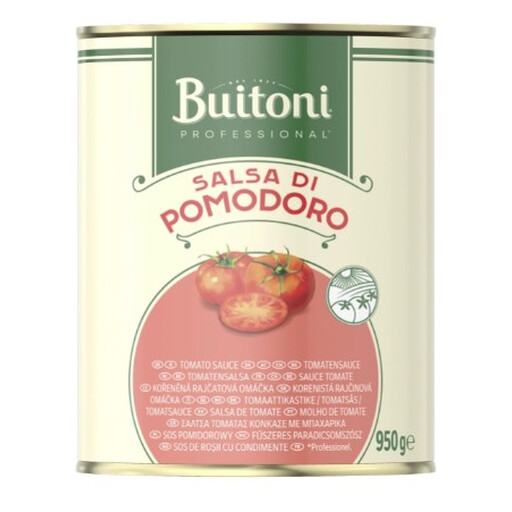 Image unavailable
Worth considering if you’re looking for a larger pack of tomato sauce for several portions of pasta. The stated weight is 950 g, not 1 kg. Check how many containers are included, along with the reheating and storage instructions on the product you receive.
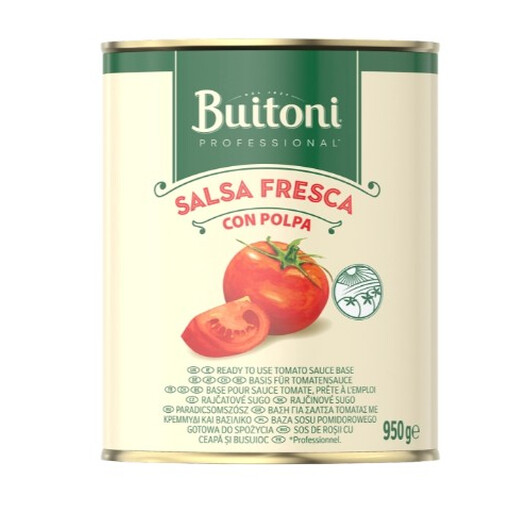 Image unavailable
Worth a look if you’re planning to prepare a sauce for several portions rather than choosing a ready-to-serve sauce. This tomato base is listed as 950 g. Check how it needs to be prepared, how many items are included and the instructions on the packaging.
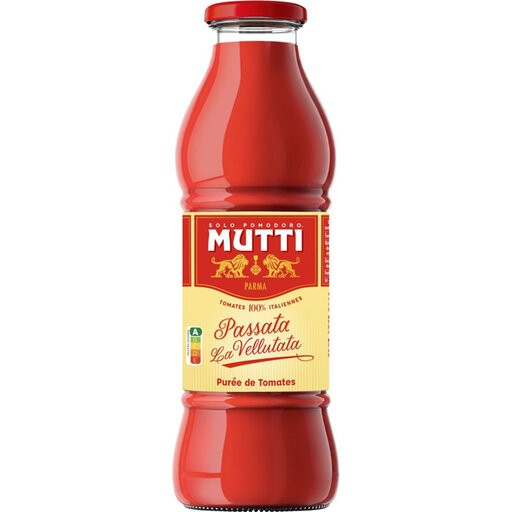 Image unavailable
Consider this as a tomato base if you’re making your own pasta sauce. This passata is listed as 700 g, so it’s a different size from the 1 kg sauce you’re looking for. Check that it suits your recipe and reheating method.
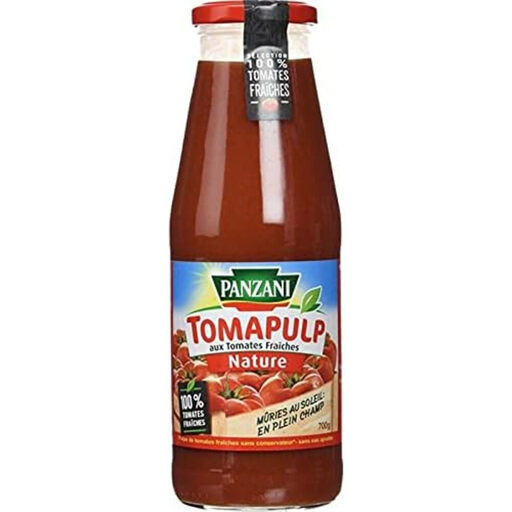 Image unavailable
Worth considering if a 700 g tomato base is enough for your planned recipe. This isn’t the 650 g Tomates Cuisinées sauce mentioned above, so check how to use it, how many containers are included and the instructions for after opening.
No. The pack size needs to suit the portions you’re planning and your ability to store any leftovers. Coup de Pates lists its 1,000 g Bolognese sauce in packs of six, while Panzani and Auchan list sauces weighing 650 g and 680 g respectively.
It depends on the instructions for the product you’ve bought. For its 680 g jar of cooked tomato sauce, Auchan says to pour the sauce into a suitable container, cover it and heat for 1 to 2 minutes on full power. Don’t apply these instructions to a different sauce.
Follow the storage time and temperature given for the exact product. For its 680 g cooked tomato sauce, Auchan says to refrigerate it between 0 °C and +4 °C and use it within 48 hours of opening. The French Ministry of the Economy advises following the manufacturer’s recommendations on the packaging.
No. The name alone doesn’t tell you what it contains or which allergens it may include. Barilla Bolognese contains beef and pork, while La Carte d’Hubert Bolognese sauce lists cereals containing gluten. Check the label for each product before sharing a meal.