People organising deliveries with varying portion sizes
When the number of meals changes from day to day, the container’s weight, whether it can be resealed and the stated time limit after opening can all help you decide how much to open.


For delivered pasta meals, choose the amount of sauce according to the portions you plan to serve and the storage instructions after opening, rather than simply going by the size of the container. A meat-free tomato sauce and a Bolognese sauce won’t suit the same menus, so check the recipe and allergens for each product. And remember: storage instructions for an unopened sauce kept in a cupboard don’t determine how to store the meal once it’s been prepared.
When the number of meals changes from day to day, the container’s weight, whether it can be resealed and the stated time limit after opening can all help you decide how much to open.
If you’re serving people with different dietary needs, it’s important to distinguish meat-free recipes from Bolognese sauces, and to check the ingredients, allergens and any possible traces for each sauce.
Depending on its label, an unopened sauce may be suitable for cupboard storage. Once it’s added to a prepared meal, it becomes part of that meal’s storage and delivery arrangements.
For meal deliveries, start with the portions you plan to serve, then check the recipe and the instructions for both the opened sauce and the prepared meal. The percentages below show possible priorities among the consumers concerned; they are not the findings of a survey.
| Criteria | What to check | Which consumers might it suit? |
|---|---|---|
| Leftovers after opening | Net weight, the number of portions planned and the storage instructions after opening. | When delivery rounds vary, I prefer to open an amount I can serve within the stated time limit. Around 29% of consumers would put minimising leftovers first. |
| Menu compatibility | Whether the sauce contains meat, its ingredients, highlighted allergens and any possible traces. | If the people I’m serving don’t all have the same menu, I need to identify the recipe precisely before planning it. Dietary compatibility would be the top priority for around 24% of consumers. |
| Storage of delivered meals | Storage instructions for the unopened and opened sauce, followed by the storage procedure for the prepared meal. | When a sauce is part of a delivered meal, I need to manage that meal separately from cupboard stock. For around 29% of consumers, getting storage right would take priority over other criteria. |
| Recipe flexibility | The type of sauce and whether it’s suitable for the dishes you’re actually planning. | When planning several menus, I look for a sauce whose recipe suits each one, rather than assuming that anything labelled “tomato” will do. This flexibility would be the main requirement for around 18% of consumers. |
Two Auchan sauces show how instructions can vary between products: the 300 g tomato, onion and garlic pouch should be kept in the fridge and used within 8 days of opening; the 190 g fresh tomato sauce should be kept in the fridge for 2 to 3 days.
Before opening a container, check its instructions against the portions you plan to serve and make a note of the opening date.
A 680 g pack may be useful for a delivery round with several portions served close together, but less suitable for a few small portions served over a longer period.
Estimate how much you’ll use within the time limit stated for the chosen product after opening.
Carrefour Classic’ Bolognese sauce, 680 g, contains beef, and its product information mentions possible traces of cereals containing gluten, soya, celery and milk. Other recipes may have a different composition.
Read the product name, ingredients and allergen information for the product you’re actually buying.
The fact that an unopened sauce can be kept in a cupboard doesn’t determine the temperature at which to store and deliver the pasta once the meal has been prepared.
Plan separately for the product instructions and the preparation, storage and delivery procedures appropriate to your business.
The Sauce Tomates Cuisinées range includes 210 g, 400 g and 650 g sizes. Panzani also offers sauces in tubes.
Barilla’s 400 g Provençale sauce is described by the brand as a meat-free recipe made with Italian tomatoes, onions and herbs.
Carrefour stocks, among other products, a 680 g Classic’ Bolognese sauce and a 190 g organic Bolognese sauce. Compare both the weight and the recipe for each product.
Auchan offers, among other products, a 300 g resealable pouch of tomato, onion and garlic sauce and a 190 g fresh tomato sauce.
The Marque Repère range includes Turini sauces, such as a 180 g vegetable sauce and a 420 g jar of Arrabbiata.
These Joybuy sauces illustrate a range of options for pasta meals: small jars of pesto, beef Bolognese, a large-format tomato base and a pack of two small jars. Compare each recipe and the amount you’ll need to open with your menus; for meal deliveries, also follow the storage instructions for the prepared meal.
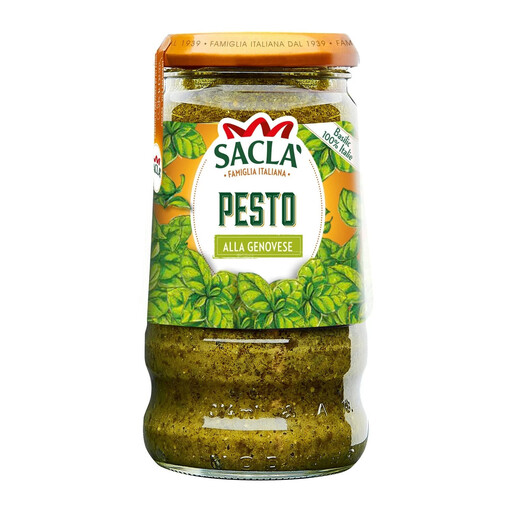 Image unavailable
If you’re serving pesto with a modest number of portions, the 190 g jar helps you keep the amount opened at one time to a minimum.
After opening, keep it in the fridge and use it within the two weeks stated for this product; check the instructions on the packaging. Remember to check the allergens before adding it to your menus.
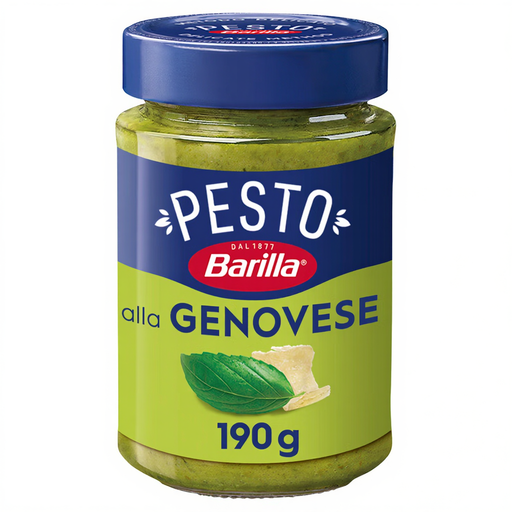 Image unavailable
This 190 g jar of pesto suits a pasta menu that includes this recipe.
If you use the jar over several meals, follow the instructions for refrigeration and using it within five days of opening, as stated for this product. Check the label for allergen information.
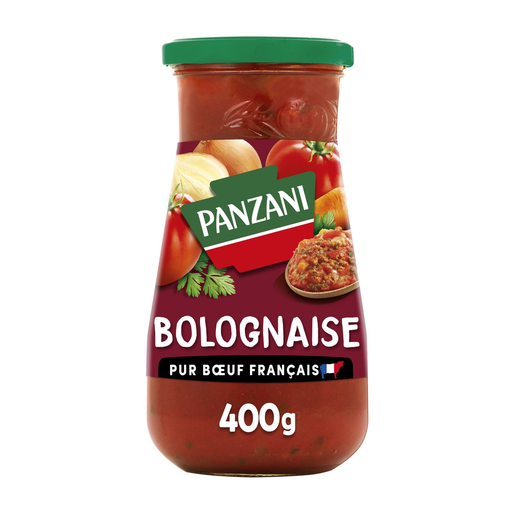 Image unavailable
This 400 g Bolognese sauce is an option for a pasta menu with beef when you have several portions planned; it isn’t suitable for a meat-free menu.
After opening, keep it in the fridge and use it within three days, as stated for this product. Check the allergen information on the packaging.
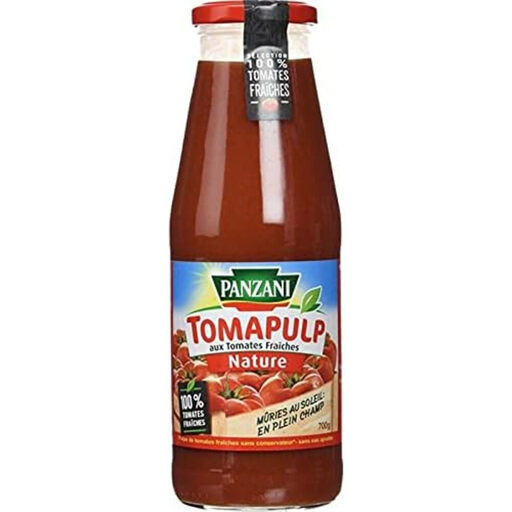 Image unavailable
This 700 g tomato sauce is worth considering when you’re planning several portions and its recipe suits the menus you’ll be serving.
Before choosing this large size, make sure you can use the contents within the time limit stated for this product: five to seven days in the fridge after opening. Check the ingredients and allergens on the label.
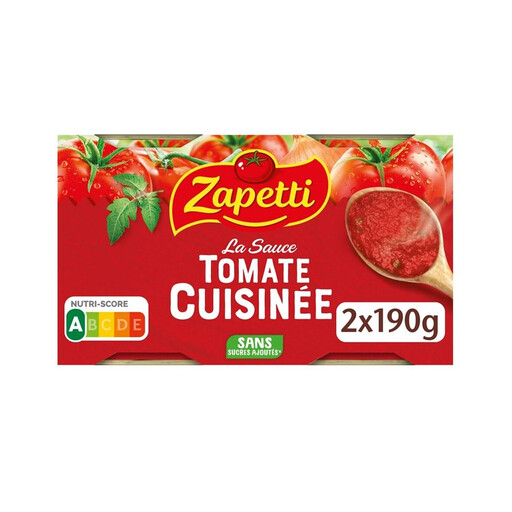 Image unavailable
The two separate jars let you open 190 g at a time when you’re serving modest portions.
To manage your stock and use up leftovers, check the packaging for storage instructions before opening and the time limit after opening. Remember to check the allergens for the product you buy.
Don’t assume so: follow the instructions for the product you’ve opened. For example, Auchan says to keep its 300 g tomato, onion and garlic pouch in the fridge for 8 days after opening, while its 190 g fresh tomato sauce should be kept in the fridge for 2 to 3 days.
Check the product name, ingredients, allergens, quantity and use-by and storage instructions for the sauce you’ve chosen. The DGCCRF reminds consumers that allergens must be highlighted in the ingredients list for prepacked food. You can then use the product instructions to plan how to store and use it.
No. Once the sauce has been added to a meal, the instructions for the unopened product aren’t enough to determine how to store the prepared meal for delivery. The French Ministry of Agriculture’s guide to home meal delivery describes, among other things, meals delivered at a maximum of 3 °C for chilled delivery and above 63 °C for hot delivery. Follow the procedure that applies to your business and delivery method.
No. The absence of meat doesn’t tell you whether the sauce contains other ingredients or allergens. Barilla describes its 400 g Provençale sauce as a meat-free recipe bearing a “gluten-free” claim, while the product information for Carrefour Classic’ Bolognese sauce, 680 g, lists beef and several possible traces. Always check the specific product you plan to serve.