People keeping an eye on added sugars
You want to tell the difference between no added sugars and reduced sugars, and compare the ‘of which sugars’ figure per 100 g before choosing your sauce.


For a quick working-from-home lunch, choose a sauce based on what matters most to you: reduced sugars compared with a similar sauce, no added sugars, or a ready-to-heat option. These claims are not interchangeable. Compare the ‘of which sugars’ and salt figures per 100 g, then check that the pack size and storage instructions after opening suit your meals.
You want to tell the difference between no added sugars and reduced sugars, and compare the ‘of which sugars’ figure per 100 g before choosing your sauce.
You’re looking for a sauce that’s easy to heat, while keeping an eye on the ingredients, sugars and salt listed on the jar.
You’re considering a larger pack and want to use up the rest within the stated time after opening.
Choose this if: you’re looking for a reduction compared with a similar sauce.
Bear in mind: a comparative claim is no substitute for checking the sugars per 100 g.
Choose this if: your priority is to avoid added sugar.
Bear in mind: tomatoes naturally contain sugars, and a tomato base may need extra preparation.
Choose this if: you mainly want to get your pasta ready quickly.
Bear in mind: convenience doesn’t tell you how much sugar is in the jar.
| Criterion | What to check | Who it’s for |
|---|---|---|
| Your goal for sugars | Read the exact claim, then compare the ‘of which sugars’ figures per 100 g for sauces of the same type. | I want to know whether I’m avoiding added sugar or looking for a reduction compared with a similar sauce. Around 42% of consumers put this distinction first. |
| Preparation time | Check whether the product is a cooked sauce to heat or a tomato base to use in another recipe, and follow its preparation instructions. | Between meetings, I’d rather serve pasta without making a complete sauce myself; speed comes first for around 33% of consumers. |
| Pack size and storage | Check the net weight and storage instructions for the chosen product after opening. | If I open a large jar, I want to use the rest for future meals. For around 25% of consumers, managing pack size and leftovers is the priority. |
According to ANSES, no added sugars does not rule out sugars naturally present in the ingredients, including tomatoes.
To check the total sugar content, compare the ‘of which sugars’ figures per 100 g. If you’re looking for a relative reduction, check separately for the ‘reduced sugars’ claim.
A claim on the front of the pack or a Nutri-Score won’t, on its own, give you all the information about sugars, salt and ingredients that may matter to your choice.
Check the nutrition information and ingredient lists of similar sauces. Santé publique France explains that displaying the Nutri-Score is voluntary.
A pack size suited to several lunches could leave you with leftovers you won’t use within the stated time after opening.
Choose a pack size that suits your planned meals and follow the storage instructions on the product you buy.
The brand offers a Tomates Cuisinées sauce to heat, as well as Tomacouli, a tomato base for other recipes.
Barilla describes its Tomates Cuisinées sauce as something to serve with pasta or use as a sauce base.
The retailer’s range includes a variety of tomato- and vegetable-based sauces.
The Marque Repère range includes sauces and tomato preparations for a variety of uses.
The retailer’s range includes a Pomodoro sauce from ITALIANS DO IT BETTER labelled ‘no added sugars’.
Baresa tomato and onion sauce is worth considering if you’re looking for a tomato sauce rather than a base to add to.
These tomato purées can be used as the starting point for a pasta sauce. They should not be treated as cooked sauces ready to heat, or as sauces with a comparative reduced-sugars claim.
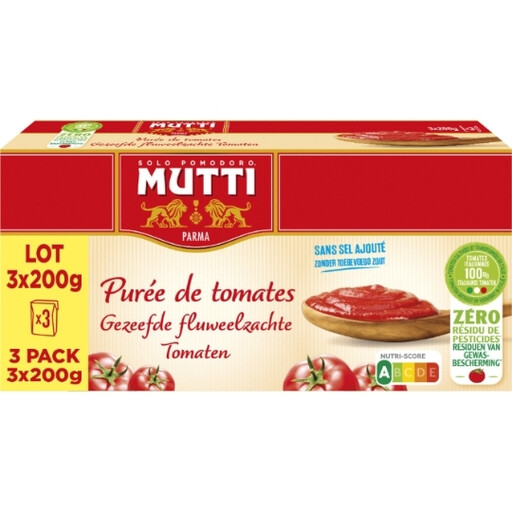 Image unavailable
Use this tomato base to make a pasta sauce, with several smaller containers for added convenience.
Before choosing it to meet your sugar-related goal, compare the nutrition information and ingredients on the packaging.
 Image unavailable
Use a single container of tomato purée to make a pasta sauce.
Compare the sugars per 100 g and check the storage instructions for the product after opening.
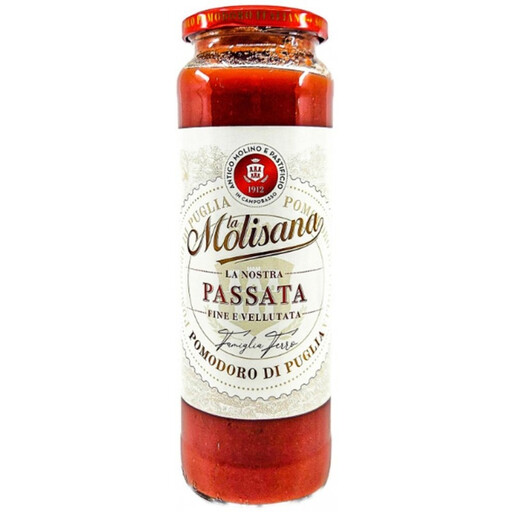 Image unavailable
Use this to make a pasta sauce when you’re planning to use a large container of tomato purée.
Check the ingredients, figures per 100 g and storage life after opening on the packaging.
No. A sauce with no added sugars may still contain sugars naturally present in tomatoes, as ANSES explains. To check the total sugar content, read the ‘of which sugars’ figure per 100 g.
No. ‘Reduced sugars’ refers to a comparison with a similar product, while ‘no added sugars’ means no sugar has been added. Also compare the sugars per 100 g shown on the sauces you’re considering.
No. For a precise comparison, check the ‘of which sugars’ figure per 100 g on sauces of the same type. The Nutri-Score can be a useful extra guide, but it doesn’t replace the nutrition information or ingredient list.
Choose a pack size you can use while following the storage instructions after opening. Check the stated time on the product you buy before planning your next meals.