What should you check before ordering?
Start with the amount you’ll use, then check the recipe and storage instructions for the product you’ve chosen.
| What to consider |
What to check |
Who it matters to |
| Leftovers after opening |
Net weight and storage instructions after opening. |
If I’m making a small amount of pasta and don’t plan to use the sauce again, I look for a jar whose contents I can use up. Around 40% of consumers in this group would prioritise reducing leftovers above all else. |
| Amount needed for planned meals |
Net weight of the container and the amount needed for the meals you have in mind. |
If I’m planning several meals, I want enough sauce without buying more than I can store. The amount that’s actually useful would be the priority for around 30% of consumers in this group. |
| Recipe and storage |
Ingredients, allergens, date shown and instructions on the packaging you receive. |
If I need to avoid an ingredient, I have to identify the exact recipe before ordering and check the product when it arrives. Around 30% of consumers in this group would put checking this information first. |
Small-size sauces on Joybuy
These 190 to 200 g sauces and pestos are worth considering if you’re looking for a smaller size to serve with pasta. Pesto and Neapolitan sauce are different recipes, so first choose the one you’d like to cook with, then check its ingredients and storage instructions.
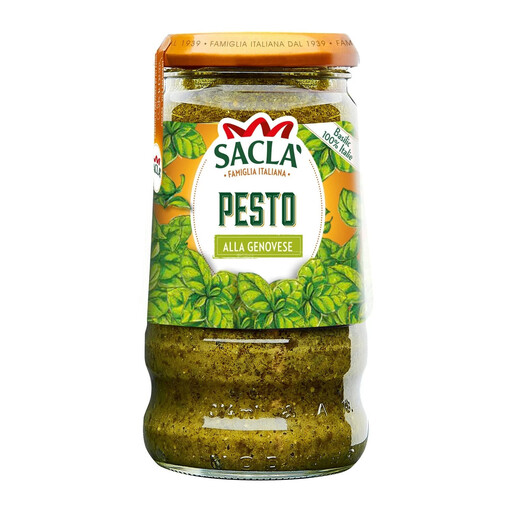 Image unavailable
SACLA Basil Pesto Genovese, 190 g
Worth considering if you’re looking for a small amount of pesto to serve with pasta.
Genovese-style basil recipe; stated weight: 190 g. Check the allergens for this product before ordering.
View on Joybuy
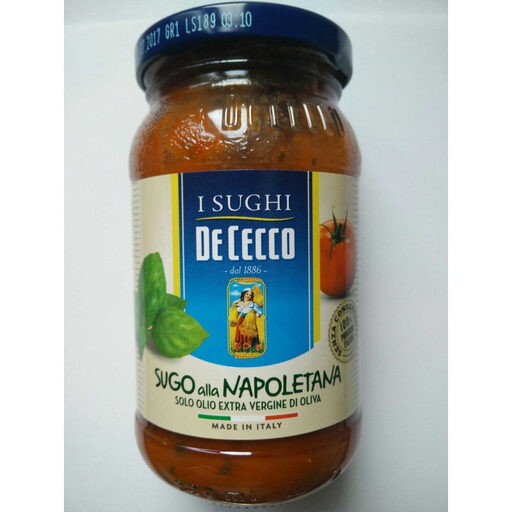 Image unavailable
De Cecco Italian Neapolitan Sauce, 200 g
Worth a look if you’re after Neapolitan sauce in a 200 g container.
Check the ingredients and allergens for the exact product, along with the instructions on the packaging you receive.
View on Joybuy
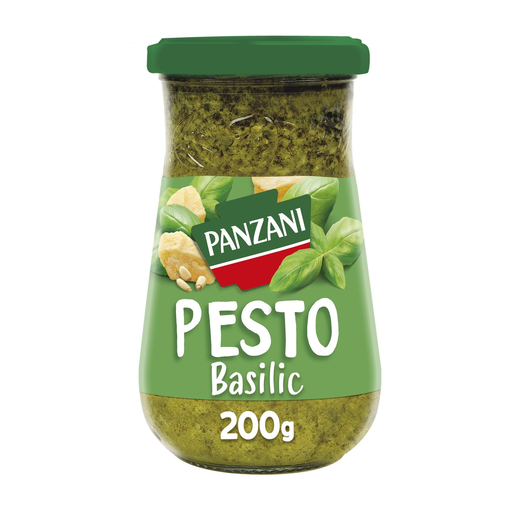 Image unavailable
Panzani Extra Fresh Basil Pesto, 200 g
This 200 g size is suited to ordering a smaller amount of basil pesto.
Check the ingredients and allergens for this recipe, then read the instructions for use after opening.
View on Joybuy
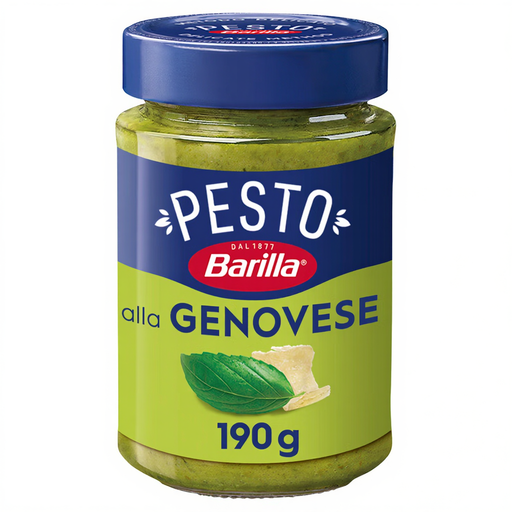 Image unavailable
Barilla Pesto Genovese, 190 g
Compare it with other small jars if you’re specifically looking for Genovese pesto.
Stated weight: 190 g. Read the ingredients and allergen information for this product before ordering.
View on Joybuy
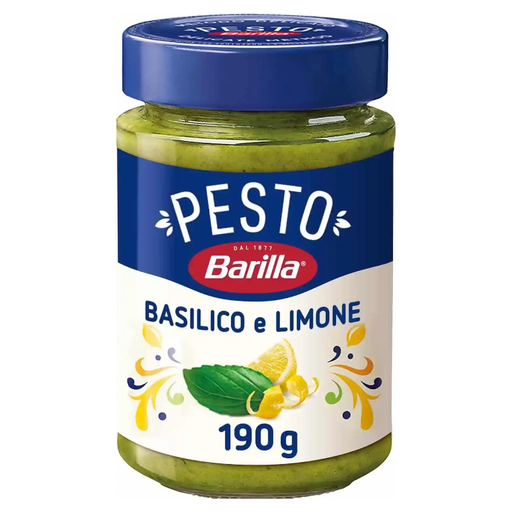 Image unavailable
Barilla Pesto Basil & Lemon, 190 g
Consider this 190 g variety if you’d like a pesto combining basil and lemon.
Check the allergens and storage instructions after opening on the packaging you receive.
View on Joybuy
Frequently asked questions
Does a 180 to 210 g jar always count as one serving?
No. This weight tells you how much sauce is in the container, not how many people it will serve for every meal. Choose a size to suit the dish you’re making and how much you may want to keep for later.
What should I check if I need to avoid an allergen?
Check the ingredients and allergen information for the specific sauce before buying, then check the label on the product you receive. In France, the DGCCRF says allergens must be highlighted in the ingredients list on prepacked foods.
Is the date on the jar enough to tell me how long I can keep the sauce after opening?
No. After opening, follow the storage conditions and time limit given for that product. The DGCCRF distinguishes between a use-by date (DLC), which must not be exceeded, and a best-before date (DDM), which applies when the product is stored as directed. Neither date replaces the instructions for use after opening.
What should I look for on prepacked sauce sold in France?
Check details such as the product name, ingredients list, allergens, net quantity and the date shown for that product. The DGCCRF states that mandatory information must be legible and written at least in French. Compare the online listing with the packaging you receive.


