Manager of a small hotel food service
If pasta is served occasionally to a small team or as part of a savoury brunch, a 400 to 420 g jar makes it easier to control how much you open when guest numbers are uncertain.


If a hotel genuinely plans to serve pasta, choose the pack size based on the number of portions and how the sauce will be used after opening, rather than relying on the label “family size” alone. A 400 to 420 g jar may suit a small, occasional service; consider a 500 to 650 g pack if the amount served allows you to use it in line with the product’s instructions. Pack size alone cannot determine whether pasta sauce belongs on the breakfast menu.
If pasta is served occasionally to a small team or as part of a savoury brunch, a 400 to 420 g jar makes it easier to control how much you open when guest numbers are uncertain.
When you know how many portions you need, a 500 to 650 g pack can reduce the number of units you have to open. However, plan to use it in line with the storage instructions for the product you choose.
If the sauce is part of a dish served to guests, keep the information for the exact product used in the recipe. Check the ingredients and allergen information for each product.
Before choosing a large jar, decide whether the hotel plans to serve pasta at breakfast or another meal, then estimate how many portions you’ll need. Pack size, preparation time and recipe information each meet different needs.
| Criterion | What to check | What matters to consumers |
|---|---|---|
| Quantity and leftovers | Compare the pack size with the portions you plan to serve, and read the instructions for after opening. | When guest numbers vary, I want to open enough sauce without leaving a large jar partly used. Around 42% of consumers prioritise choosing the right pack size for this reason. |
| Preparation time | Tell the difference between a cooked sauce that’s ready to heat and a tomato base that needs preparing. | When time in the kitchen is limited, I want to know whether I can use the sauce without putting together an additional recipe. For around 33% of consumers, quick preparation is the main priority. |
| Recipe ingredients | Check the label for the product being served, including its ingredients and allergen information. | When serving a dish to guests, I need to be able to find the exact information for every recipe used. Around 25% of consumers rank this check as their top priority. |
Tomato purée or passata can be used to make a sauce, but still requires some cooking. It doesn’t serve the same purpose as a cooked sauce designed to go straight onto pasta.
Read the product name, ingredients list and directions before treating it as a ready-to-use sauce.
A 500 to 650 g pack may leave leftovers if the portions you serve don’t use up the amount opened.
Plan how you’ll use the contents and follow the instructions on the product’s own label. As a guide for this specific product, Auchan states that Cirio La Gustosa 500 g keeps for 3 to 4 days in the fridge after opening.
Recipes and nutritional values vary between products, even when the pack sizes are similar. Don’t use information from one jar for another product.
Keep the packaging or product information for the sauce actually served, and check the allergen information before advising guests.
The brand offers its Tomates Cuisinées sauce in 210 g, 400 g and 650 g packs. Auchan also lists a 500 g Panzani garlic and onion recipe.
Barilla offers its Sauce Basilico in 200 g and 400 g packs, both worth considering if you need a smaller quantity.
Carrefour Classic' tomato and basil sauce comes in a 420 g jar, between the 400 g and 500 g options.
Auchan fresh tomato sauce is listed in a 190 g pack. This smaller size meets a different need from a family-size jar.
These products include cooked sauces in 400 to 500 g packs for a possible pasta service, as well as two 700 g tomato bases for cooking with. For a hotel breakfast, first decide whether pasta will actually be served: pack size alone doesn’t determine whether it belongs on the menu.
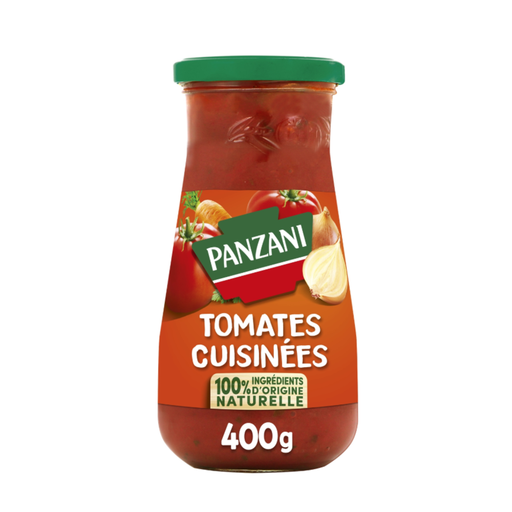 Image unavailable
Worth considering for an occasional pasta service when the number of portions doesn’t warrant a large pack straight away.
Check the packaging for allergen information and the instructions for this specific product after opening.
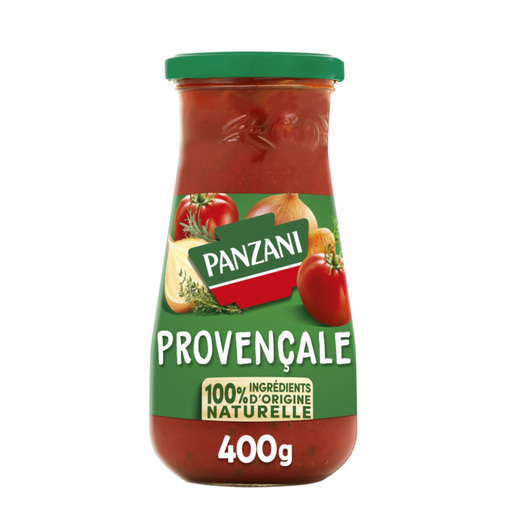 Image unavailable
This 400 g recipe offers another sauce option for a small pasta service.
If you offer several recipes, check the ingredients and information on each pack separately.
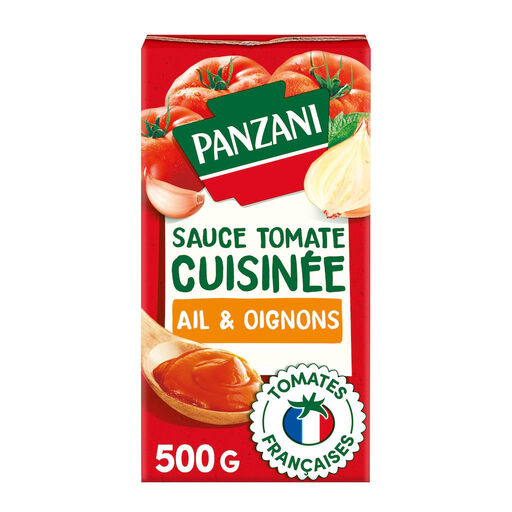 Image unavailable
The 500 g pack may suit a planned pasta service, provided you match the amount opened to the portions you expect to serve.
Auchan states that this garlic and onion recipe contains 1.4 g of salt per 100 g. Check the packaging for the product you buy for storage instructions and allergen information.
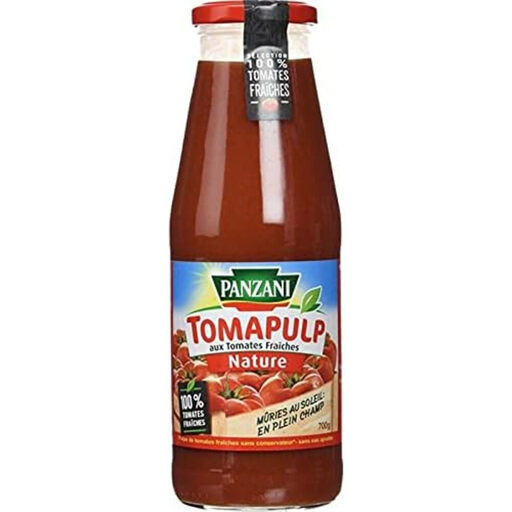 Image unavailable
This 700 g pack is for kitchens that want to make their own sauce using a tomato base.
Allow for the seasoning and preparation needed: this isn’t a cooked sauce that’s ready to pour over pasta.
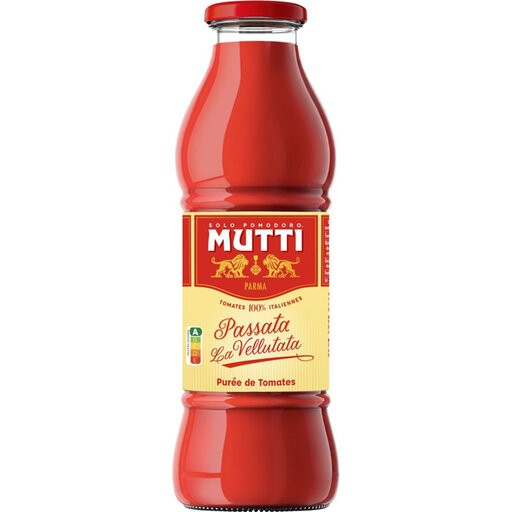 Image unavailable
This 700 g passata is suitable for cooking with when the kitchen plans to make its own pasta sauce.
As with the other tomato base featured here, allow time for preparation rather than treating it as an already seasoned sauce.
Yes. Panzani offers its Tomates Cuisinées sauce in a 650 g pack, as well as 210 g and 400 g sizes. A 650 g jar makes sense for a hotel only if the portions planned allow you to use the contents in line with the storage instructions.
Follow the storage time and conditions given for the product you buy. For example, Auchan states that Cirio La Gustosa 500 g keeps for 3 to 4 days in the fridge after opening; don’t automatically apply this guidance to other sauces.
No. Barilla describes its Sauce Basilico as “gluten-free”, but this claim applies to that product only and not to other basil sauces. Before serving a dish to a guest who needs this information, check the packaging for the product actually used.
Check the information for every ingredient and for the recipe as it is ultimately served, rather than relying on the sauce name. The French decree of 17 April 2015 on allergen information applies, among other things, to non-prepacked food; the establishment should check which requirements apply to its method of service.