Shoppers looking to avoid added sugar
You’re looking for a sauce explicitly labelled “no added sugars”. Remember to check the “of which sugars” figure, salt and allergens on the label too.


For your first food shop, start by choosing between a sauce explicitly labelled “no added sugars” and a classic tomato sauce, depending on whether avoiding added sugar is a priority for you. In either case, compare the “of which sugars” and salt figures per 100 g: “no added sugars” does not mean sugar-free, as tomatoes naturally contain sugars. Also check the ingredients, pack size and storage instructions for the jar you plan to buy.
You’re looking for a sauce explicitly labelled “no added sugars”. Remember to check the “of which sugars” figure, salt and allergens on the label too.
You want a ready-to-use sauce in a size that suits the meals you have planned, and you’d like to know how to store the jar once it’s open.
Choose a pack size you’ll be able to use, and check the storage instructions before picking up a large jar.
Start with what matters most to you: avoiding added sugar, finding a recipe that’s easy to use or choosing a size that suits your meals. Then check the label for the specific product, rather than guessing its ingredients from the name or its Nutri-Score.
| Priority | What to check | Who it’s for |
|---|---|---|
| Added sugar | Look for the exact wording “no added sugars”, then compare the “of which sugars” figure per 100 g and the ingredients list. | If I want to avoid added sugar, the wording on the jar alone doesn’t tell me how much sugar is naturally present in the tomatoes. Around 42% of consumers put this distinction first. |
| Recipe and how to use it | Read the ingredients and allergen information, then check whether it’s a ready-to-use sauce or a tomato base that needs seasoning. | When I’m making pasta in a hurry, I want to know whether the recipe suits me and if I’ll need any other ingredients. This simplicity is the priority for around 33% of consumers. |
| Size and storage | Choose a pack size that suits the meals you have planned and read the product’s storage instructions for after opening. | If I might leave a jar partly used, I’d rather plan a quantity I can finish within the recommended time. Pack size comes first for around 25% of consumers. |
Sugars naturally present in tomatoes are still included in the nutritional information.
Look for the exact wording, then read the ingredients list and the “of which sugars” figure per 100 g.
Sugar is listed as an ingredient in the Carrefour Classic’ and Eco+ sauces mentioned by their retailers, so the name “tomato sauce” alone won’t tell you.
If avoiding added sugar matters to you, check the ingredients list for each product.
Storage times vary by product. For the Mutti Provençale sauce featured by Auchan, the instructions are to refrigerate it after opening and use it within five days.
Choose a size to suit the meals you have planned and follow the instructions on the jar you buy.
Any opened sauce you can’t use within the recommended time may end up being thrown away.
Panzani’s Tomates Cuisinées sauce is available in 210 g, 400 g and 650 g sizes.
Barilla France offers its Basilico sauce in 200 g and 400 g sizes.
Carrefour offers a 420 g jar of its cooked tomato sauce.
E.Leclerc lists a 420 g jar of Eco+ cooked tomato sauce with vegetables.
Lidl offers Baresa tomato sauce in a 560 g pack.
This selection includes a tomato sauce for pasta, passata and tomato purées to use as recipe bases. A base that needs seasoning isn’t the same as a ready-to-serve sauce, so choose according to what you want to make. If added sugar is your deciding factor, check the label.
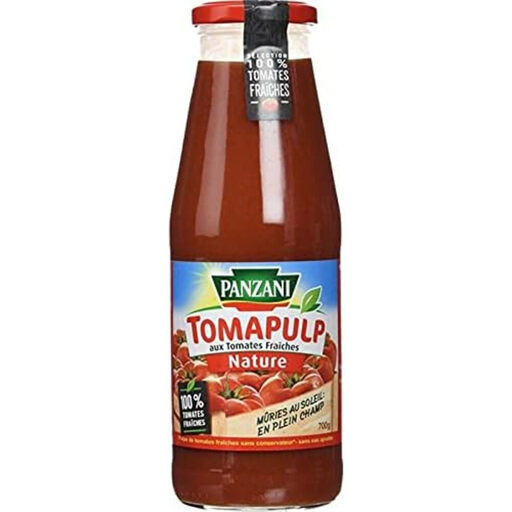 Image unavailable
A tomato sauce to consider if you want to make pasta without starting with a purée that needs seasoning. Check the wording about added sugars and the “of which sugars” figure on the product you buy. With this 700 g size, also plan how you’ll use it after opening.
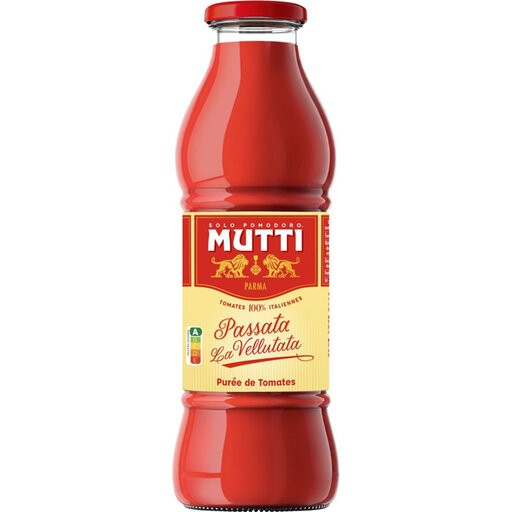 Image unavailable
This passata can be used as a tomato base for making pasta sauce. Don’t confuse it with a sauce that’s already been seasoned. Check the ingredients and plan how you’ll use the 700 g pack after opening.
 Image unavailable
This 500 g tomato purée is a good choice if you want to make your own pasta sauce. Add any other ingredients required by your recipe, and read the label to compare sugars per 100 g.
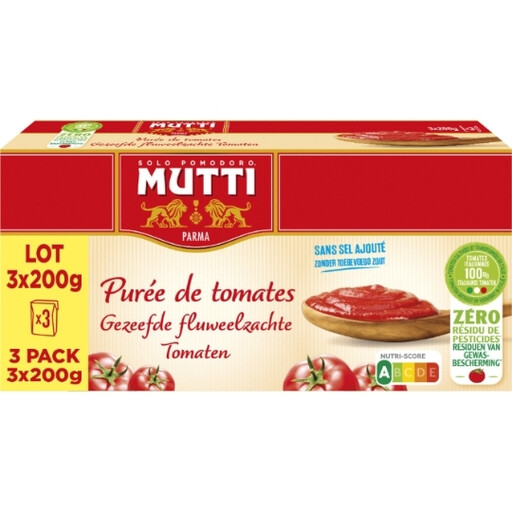 Image unavailable
The pack of three 200 g containers lets you open a smaller amount at a time when making a sauce. This is a base that needs seasoning, so check the ingredients and the storage instructions for after opening on the packaging of the pack you buy.
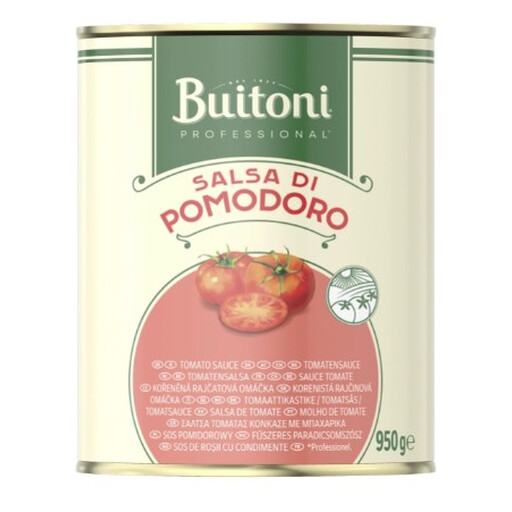 Image unavailable
This 950 g tomato sauce is for meals where you’d rather use a sauce than prepare one from purée. Sugar is listed in the ingredients, so choose a different recipe if avoiding added sugar is essential, and make sure you can use the jar after opening.
No. Sugars that occur naturally in the ingredients, including tomatoes, are still counted. To compare two sauces, check the “of which sugars” figure per 100 g as well as the wording on the packaging.
No. Nutri-Score doesn’t replace either the “of which sugars” figure per 100 g or the ingredients list. Compare these details, along with the salt content, for the products you’re considering.
Read the ingredients list and allergen information for the product you buy, rather than relying on the recipe name alone. For example, the Heinz garlic and onion sauce featured by Carrefour contains a flavouring that includes milk.
Follow the instructions on the product you buy, as they vary from one sauce to another. For the Mutti Provençale sauce mentioned, Auchan advises keeping it in the fridge and using it within five days of opening.
No. These phrases describe different criteria. The DGCCRF notes that nutrition claims are governed by European Regulation No. 1924/2006. If reducing your sugar intake matters to you, check the exact wording and compare the figures per 100 g with those for an equivalent sauce.