Student stocking their first cupboard
You’re looking for an amount that suits the meals ahead, without choosing a large container you don’t plan to use.


When stocking your first cupboard, choose the amount of sauce to suit the meals you have planned. Smaller containers let you open one at a time, while a large jar means planning how to use the rest. ‘Fresh tomatoes’ describes the recipe; it doesn’t, by itself, tell you how the product should be stored. Check the ingredients, allergens and storage instructions on the product you choose.
You’re looking for an amount that suits the meals ahead, without choosing a large container you don’t plan to use.
You’d rather open the sauce in smaller amounts and take account of the storage instructions once it’s open.
You compare ingredients, allergens and nutritional information rather than relying on the words ‘fresh tomatoes’ alone.
First decide how many meals you’ll make with the sauce, then compare the recipes and the instructions for each type of container.
| Criteria | What to check | Who it suits |
|---|---|---|
| First cupboard shop | The net weight and number of containers in relation to the meals you have planned. | When I’m moving in, I want enough sauce for several meals without building up a pile of containers I don’t need; around 31% of consumers would make this initial shop a priority. |
| Portions and leftovers | The amount in each container and the instructions for storing it after opening. | If I’m cooking for one, I want to open an amount I can use without leaving the rest sitting around; avoiding leftovers would be the main concern for around 25% of consumers. |
| Preparing a meal | The instructions and whether the sauce needs to be heated. | When I’m making pasta between other activities, I’m looking for a sauce that’s ready to serve or easy to heat; speed would come ahead of other criteria for around 25% of consumers. |
| Ingredients | The ingredients, allergens, and the salt and sugars per 100 g. | If I’m sharing a meal or comparing two recipes, I want to know what each sauce contains; around 19% of consumers would put ingredients first. |
Carrefour lists Panzani Fresh Tomato sauce among its cupboard sauces. So the words in the name aren’t enough to tell you how to store the product you buy.
Check the storage instructions on the packaging, both before and after opening.
A claim such as ‘no preservatives’ doesn’t, by itself, tell you about the other ingredients, allergens or nutritional values.
Read the ingredients list and compare the salt and sugars per 100 g in particular on the specific products you’re considering.
If you’re cooking for one, some of the sauce may be left after your first meal. How long it can be stored, and the conditions it needs, depend on the product.
Plan another meal or a dish to share, then follow the instructions for storing it after opening.
The range includes Fresh Tomato sauce in a pack of three 190 g tins, as well as Provençal sauce in a 400 g jar.
Barilla’s range includes All’Arrabbiata sauce, for meals where you’re after a spicy kick.
Carrefour’s range includes a 400 g cooked tomato sauce and a 180 g tomato sauce with small vegetables.
E.Leclerc’s range includes tomato and basil sauce in a 420 g jar, Provençal sauce in a 190 g jar and Neapolitan sauce in a 190 g jar.
These Joybuy products include small containers of tomato sauce, jars of pasta sauce and a tomato preparation that can be served with pasta. Choose a size to suit the meals you have planned, and check the instructions on each product’s packaging.
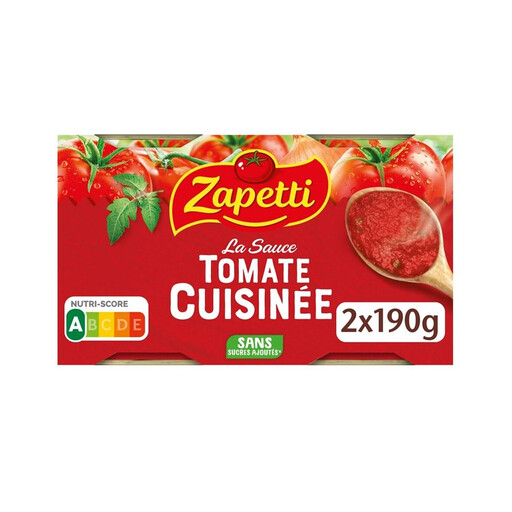 Image unavailable
For individual meals on different days, the two 190 g jars let you open one at a time. Follow the storage instructions for the opened jar.
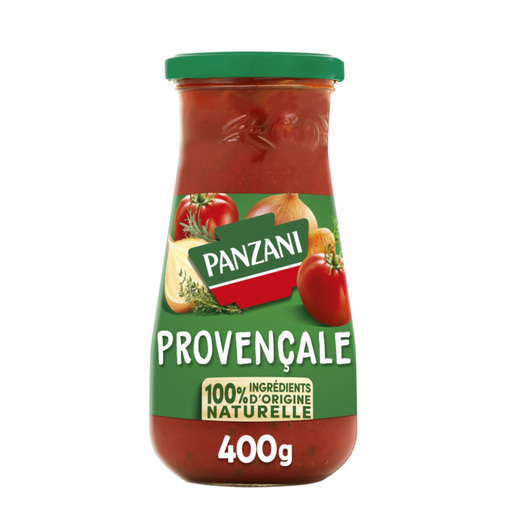 Image unavailable
The 400 g jar may suit you if you’re making several portions or sharing a meal. If you’re cooking for one, plan how you’ll use the rest after opening.
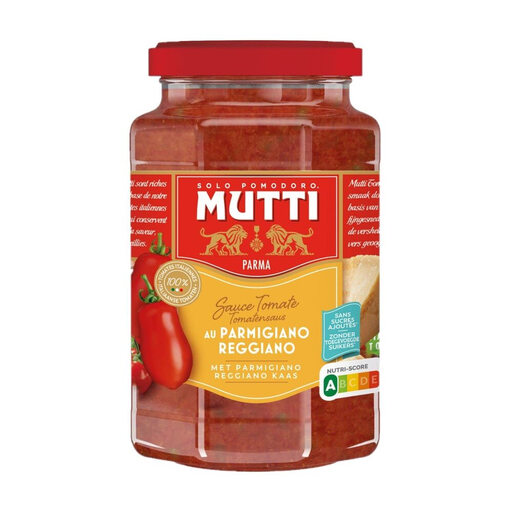 Image unavailable
This 400 g jar contains a Parmigiano Reggiano sauce for pasta. If you’re sharing the meal, check the allergens listed on the packaging.
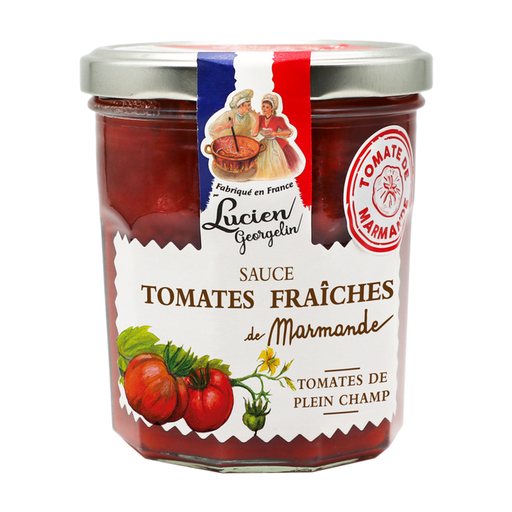 Image unavailable
This 300 g tomato preparation can be served with pasta if you’re looking for a mid-sized option. The words ‘fresh tomatoes’ in the product description don’t replace the storage instructions on the packaging.
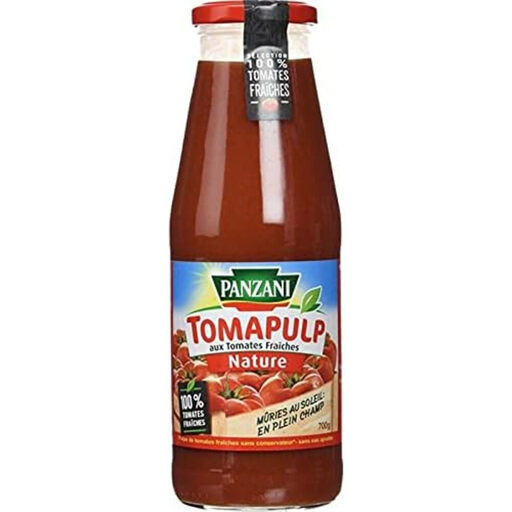 Image unavailable
The 700 g size works well for several tomato-based pasta dishes. Before opening it, plan how you’ll use the rest, following the product’s instructions.
No. The wording alone doesn’t tell you which aisle it’s sold in or how it should be stored. Carrefour lists Panzani Fresh Tomato sauce among its cupboard sauces. Whatever sauce you choose, follow the instructions on its packaging.
Compare the product names, ingredients, allergens, net quantity and the stated date. For prepacked food, the DGCCRF explains that nutritional values per 100 g or 100 ml make it easier to compare things such as salt and sugars.
Start by following the instructions on the container: don’t assume all sauces keep for the same length of time. For perishable foods, Anses recommends limiting the time they spend at room temperature and keeping an eye on the coldest part of your fridge, at 4 °C.
It can be a good choice if everyone at the table likes a spicy recipe. Barilla describes its Arrabbiata as a tomato and chilli sauce; check what everyone prefers before choosing it for the whole meal.