People comparing carbohydrates and sugars
You want to check both lines in the nutrition information and relate the figures to the amount of sauce you serve, rather than relying on a claim on the front of the pack.


When choosing a pasta sauce as part of shopping for someone with diabetes, start by comparing carbohydrates, including sugars, and salt per 100 g. “No added sugars” does not mean “sugar-free”. A tomato base lets you choose the seasoning, while a ready-made sauce takes less preparation. In either case, check the recipe and the amount you plan to serve, without assuming the sauce has any medical benefit.
You want to check both lines in the nutrition information and relate the figures to the amount of sauce you serve, rather than relying on a claim on the front of the pack.
You want to keep preparation to a minimum and may be looking for a “no added sugars” claim, while bearing in mind the sugars naturally present in tomatoes.
You start with a tomato base so you can choose the ingredients and seasoning yourself, and are happy to spend a little more time preparing it.
First decide whether you want a ready-made sauce or a base to prepare, then compare the nutrition information for products that meet your needs. The French Ministry of the Economy notes that prepacked foods must carry a nutrition declaration. When comparing sauces, use the same 100 g basis.
Worth considering: if you want to avoid added sugars in the recipe and this claim appears on the product you choose.
Bear in mind: you still need to check the label for naturally occurring sugars, as well as salt.
Worth considering: if you prefer to choose the added ingredients and seasoning yourself.
Bear in mind: preparing the sauce takes longer than using a ready-made one.
Worth considering: if you want a sauce that’s already seasoned to serve with pasta.
Bear in mind: compare the ingredients and nutrition information for each product.
| Criteria | What to check | Who is this for? |
|---|---|---|
| Carbohydrates and sugars | Compare “carbohydrates” and “of which sugars” per 100 g, then take the serving size into account. | I want to compare the figures before choosing a sauce, rather than relying on a claim on the front of the pack; around 50% of consumers prioritise carbohydrates and sugars. |
| Salt and ingredients | Check the salt per 100 g, the ingredients list and any declared allergens. | If an ingredient or allergen matters to me, a claim about sugars isn’t enough; around 30% of consumers focus first on salt and ingredients. |
| Preparation and pack size | Distinguish between a tomato base and a ready-made sauce, and check the storage instructions after opening. | I want either to save time or to choose the seasoning myself; around 20% of consumers prioritise how the sauce is prepared. |
This claim doesn’t mean the sauce is free from sugars naturally present in tomatoes, as the product information for a Zapetti sauce published by Auchan makes clear.
Check “of which sugars” and “carbohydrates” per 100 g, then consider how much sauce you’ll serve.
These details don’t replace the sugar and salt values or the ingredients list for the sauce you choose.
Compare the full nutrition information for the products you’re considering.
A claim about sugars alone doesn’t tell you about the salt or any declared allergens.
Check this information separately on the label of the product you buy.
Storage times and conditions vary from product to product. A pack size that doesn’t suit how you use the sauce could leave some unused.
Choose a size that matches the amount you use and follow the instructions printed on the jar.
Panzani’s range includes ready-made tomato sauces and Tomacouli Nature, which is marketed as a cooking base.
Barilla’s pasta sauces include Basilico and Tomates Cuisinées.
Carrefour offers a 420 g jar of Classic' ready-made tomato sauce.
These tomato purées and pulps can be used as a starting point for a homemade sauce. The last product is already flavoured. Depending on how much control you want over the seasoning, compare its ingredients with those of the other bases and check the nutrition information for each product.
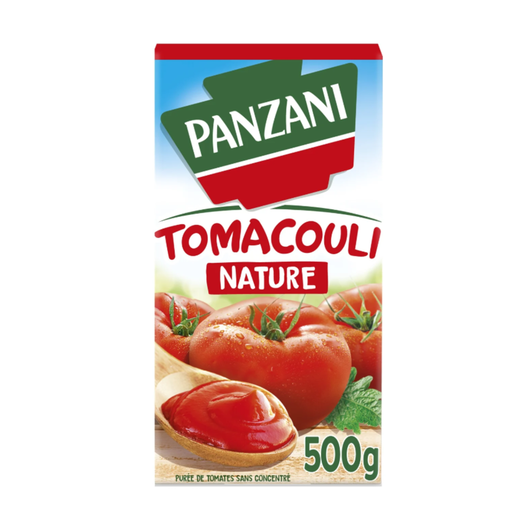 Image unavailable
For making and seasoning your own sauce from tomato purée.
Pack size: 500 g. Check the product label for carbohydrates, including sugars, and salt.
 Image unavailable
For making a sauce from tomato purée and choosing which ingredients to add.
Pack size: 500 g. The product name doesn’t replace checking the ingredients and nutrition information.
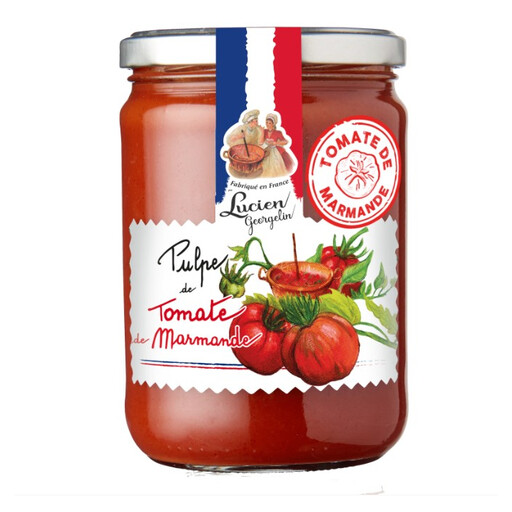 Image unavailable
For starting with tomato pulp and making your own sauce.
Pack size: 500 g. Check the ingredients and declared salt content before choosing your seasoning.
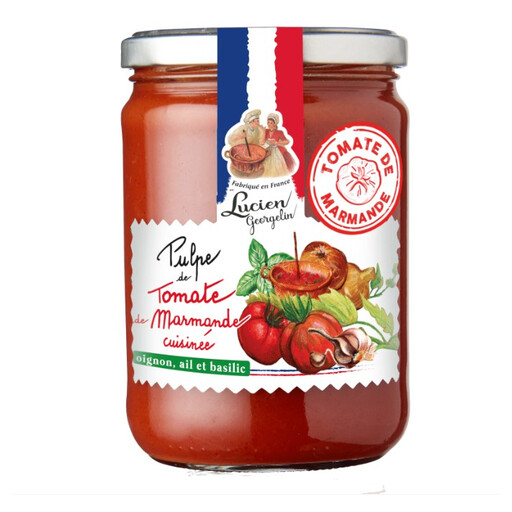 Image unavailable
For starting with tomato purée already flavoured with onion, garlic and basil, rather than a plain base.
Pack size: 500 g. Check the ingredients list and salt content before adding your own seasoning.
No. A sauce carrying this claim may still contain sugars naturally present in tomatoes. The product information for a Zapetti sauce published by Auchan makes this clear. Also check the “of which sugars” figure per 100 g for the product you choose.
No. This wording alone isn’t enough to determine the sauce’s composition or how it fits into an individual diet. Compare the nutrition information for the exact product. The Fédération Française des Diabétiques notes that there is no single specific diet shared by everyone with diabetes.
Compare carbohydrates, including sugars, and salt on the same 100 g basis, then consider how much you’ll use. Check the ingredients and declared allergens too, as the nutrition information alone doesn’t tell you everything about the recipe.
Follow the instructions on the product you’ve bought, particularly for refrigeration and how soon to use it. These instructions vary between products, so don’t assume they’re the same from one jar to another.