What should you check?
Choose between a ready-to-use sauce and a cooking base according to how often your menus change. Then choose the container size based on the quantities you actually use.
Ready-to-use sauce in a large size
Worth considering: for several portions of the same recipe when you can predict how much sauce you’ll need.
Plan for: using the opened contents in line with the storage instructions for the product you choose.
Ready-to-use sauce in a small size
Worth considering: when menus or quantities change frequently.
Plan for: managing more containers if you’re preparing the same dish in larger quantities.
Tomato base for cooking
Worth considering: if you need to put the recipe together or adapt it before serving.
Plan for: setting aside time for preparation and making sure the recipe is consistent.
| Criteria |
What to check |
Who is it for? |
| Size and yield |
Work out the total quantity using the amount of sauce in your recipe, then compare it with the net weight of the containers. |
If I often prepare the same dish for several people, I want to open an amount that suits what I’m making. Around 36% of consumers would put this need for volume first. |
| Menu ingredients |
Check the product name, ingredients and allergens on the packaging of the item you receive. |
When menus or dietary requirements differ, I need to keep recipes separate before serving them. Around 29% of consumers would prioritise this need for compatibility. |
| Storage and transport |
Follow the storage instructions for the sauce after opening, and separately arrange temperature checks for the meal being transported. |
If I deliver a cooked meal, I need to manage both the opened container and the transport conditions for the finished meal. Around 21% of consumers would prioritise this planning. |
| Leftovers and preparation |
Consider how much sauce might be left after opening and the work involved if you choose a tomato base. |
When quantities vary, I want to avoid opening too much sauce or make time to cook with it. Around 14% of consumers would put managing leftovers and preparation ahead of other criteria. |
Pasta sauces and tomato bases on Joybuy
These 650–950 g containers are worth considering for either a sauce to serve with several portions of pasta or a tomato base to use in your own recipe. Choose the quantity based on how much you use per meal, not just the weight shown.
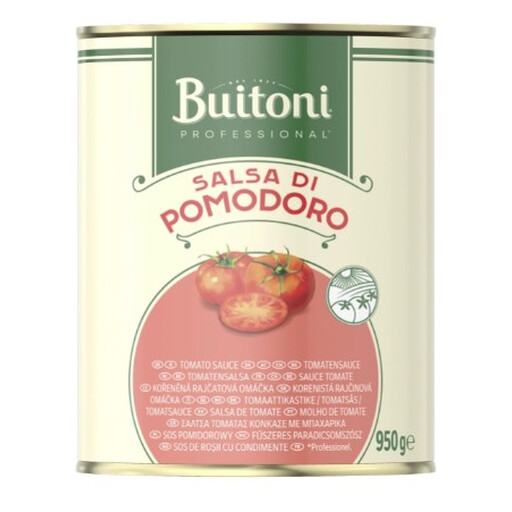 Image unavailable
BUITONI tomato sauce, 950 g
Worth considering if you’re preparing several portions of pasta with tomato sauce. The container is listed as 950 g. Work out the yield for your recipe and follow the storage instructions on the packaging you receive.
View on Joybuy
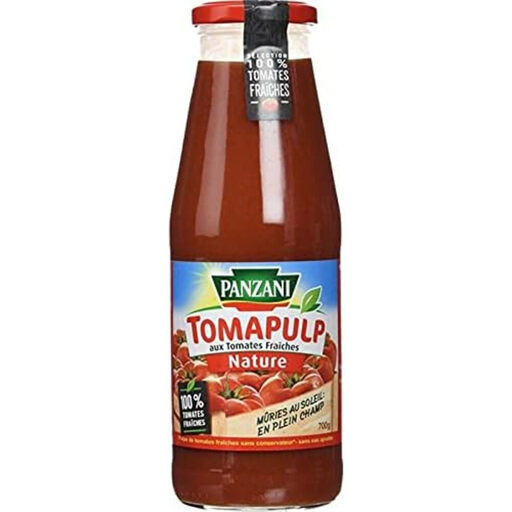 Image unavailable
PANZANI Tomacouli sauce, 700 g
Worth considering if your pasta recipe calls for a tomato sauce you can adapt. This container is listed as 700 g. Allow time to prepare the sauce if needed, and work out the number of portions using your usual amount per meal.
View on Joybuy
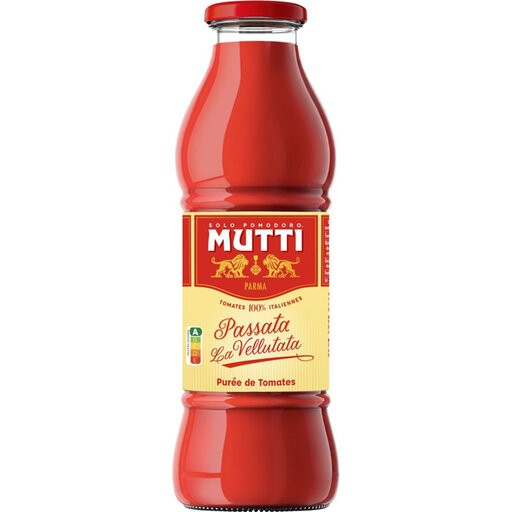 Image unavailable
MUTTI Passata La Vellutata, 700 g
Worth considering if you want to make a sauce to your own recipe rather than choose one that’s already seasoned. This passata is listed as 700 g. Factor in the preparation and the amount you use when planning your meals.
View on Joybuy
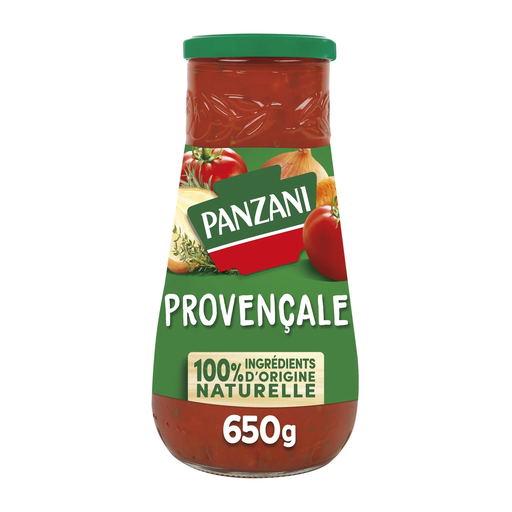 Image unavailable
PANZANI Provençale sauce, 650 g
Compare this with the quantity you need when preparing several portions of the same pasta dish. The container is listed as 650 g. Check the after-opening storage instructions on the packaging you receive before planning how to use it.
View on Joybuy
Frequently asked questions
Does a 650 or 680 g container make a specific number of meals?
No. The number of meals depends on how much sauce you use per portion and on the other ingredients in your recipe. Work out the yield of your dish before ordering several containers.
Does an unopened jar of sauce need to be transported chilled?
Follow the storage conditions given for the product you buy rather than applying the same rule to every jar. For CIRIO La Gustosa 500 g, the instructions listed by Auchan specify a cool, dry place before opening, then three to four days in the fridge after opening.
What temperature should you aim for when delivering a hot pasta dish?
The DGCCRF specifies +63 °C for cooked dishes or hot meals being delivered. This threshold applies to the finished meal being transported, not to the storage of an unopened, pre-packed sauce. Containers and transport arrangements must allow the food to be kept at and checked for the appropriate temperature.
How do you choose a sauce for menus with dietary restrictions?
Check the product name, ingredients and allergens on the packaging of the product you actually receive. Don’t assume that a sauce is meat-free or suitable for a particular dietary requirement just because it says “tomato”.
Can tomato purée replace a ready-to-use sauce?
Yes, if your process allows you to prepare and consistently reproduce the recipe you want. Auchan describes its tomato purée as a cooking base: you can use it to make a sauce, but it adds a preparation step compared with a ready-to-use sauce.


