What should you check before buying?
For a sauce to go with a protein-focused meal, first check the sugars and ingredients in the sauce, then consider the other foods on your plate. The pack size and storage instructions also matter if you’ll be using the sauce more than once.
| Criterion |
What to check |
Who is it for? |
| Added and total sugars |
The ingredients list and the ‘of which sugars’ figure per 100 g; check for a ‘no added sugar’ claim if one appears on the packaging. |
If I avoid added sugar, I also want to know how much sugar is naturally present in the sauce. This is the top priority for around 40% of consumers. |
| Protein in the meal |
The protein figure per 100 g of sauce, followed by the other foods planned for the dish. |
When putting together a high-protein meal, I don’t rely on the sauce alone. Around 40% of consumers prioritise the protein content of the meal as a whole. |
| Use and storage |
Salt per 100 g, the allergens listed and the instructions for after opening. |
A ready-to-use sauce suits me if I can use and store it in a way that fits my routine. Convenience and label information are the top priorities for around 20% of consumers. |
Brands to consider
These brands offer products worth considering against your own criteria. The figures quoted relate to each named product, not the brand’s entire range.
Panzani
The fresh tomato and basil sauce is one option to compare among cooked tomato sauces.
- The Auchan product page for this Panzani sauce lists 6.3 g of sugars and 1.6 g of protein per 100 g.
- These figures don’t apply to other Panzani recipes, so check the label of the one you choose.
Barilla
The brand offers tomato sauces and pestos, among other products, and each recipe should be compared separately.
- The Auchan product page for Barilla’s organic tomato and basil sauce lists 5.4 g of sugars and 1.5 g of protein per 100 g.
- The ingredients and nutrition figures for this tomato sauce don’t apply to Barilla pestos or other sauces.
Auchan
Its 300 g pouch of tomato and basil sauce is another recipe worth considering.
- The Auchan product page lists 6.1 g of sugars, 1.5 g of protein and 0.82 g of salt per 100 g for this product.
- This sauce contains sugar. Its product page says to keep it in the fridge and consume it within 8 days of opening.
Carrefour
Carrefour Classic’ cooked tomato sauce in a 420 g jar is another product in this category.
- The Carrefour product page lets you identify the exact recipe and pack size before checking the packaging.
- To compare sugars and protein, check the nutrition information for the product you choose.
Tomato purée and pesto on Joybuy
These products can all be served with pasta: tomato purées can be used as the base for a sauce, while pesto is a different type of sauce. Compare their labels against your sugar criteria, then put together the rest of the meal to suit your protein needs.
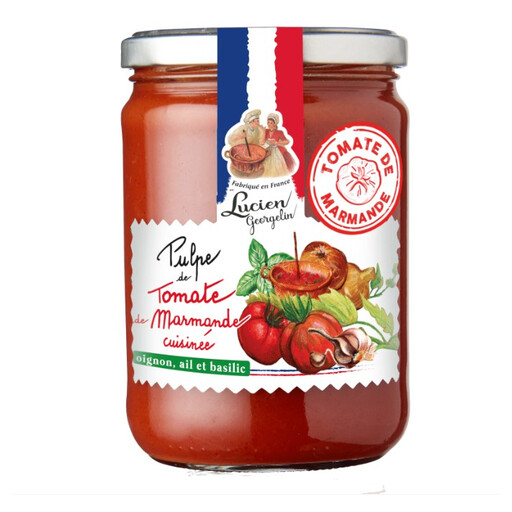 Image unavailable
LUCIEN GEORGELIN, Marmande tomato purée with onion, garlic and basil, 500 g
A tomato base with added flavourings, ready to use in a sauce. If you’re looking for a specific claim about added sugars or need to avoid an allergen, check the packaging for this product.
View on Joybuy
 Image unavailable
MUTTI Zero Pesticides, tomato purée, 500 g
A tomato base for making pasta sauce. Compare its nutrition information and ingredients on the packaging; the range name is no substitute for checking these details.
View on Joybuy
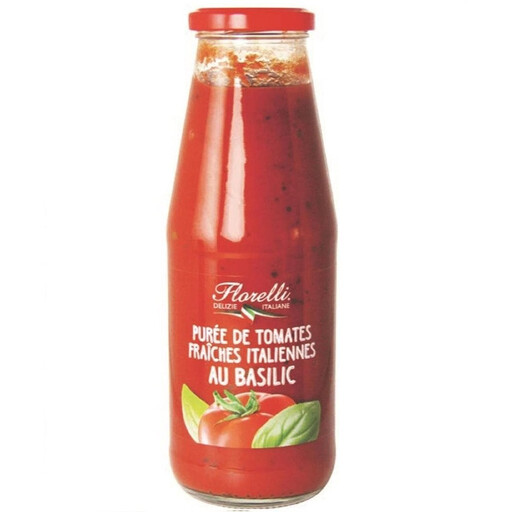 Image unavailable
Florelli, tomato and basil purée, 690 g
A tomato and basil base to prepare according to your pasta recipe. If you plan to use the large pack more than once, check the storage instructions after opening on the packaging.
View on Joybuy
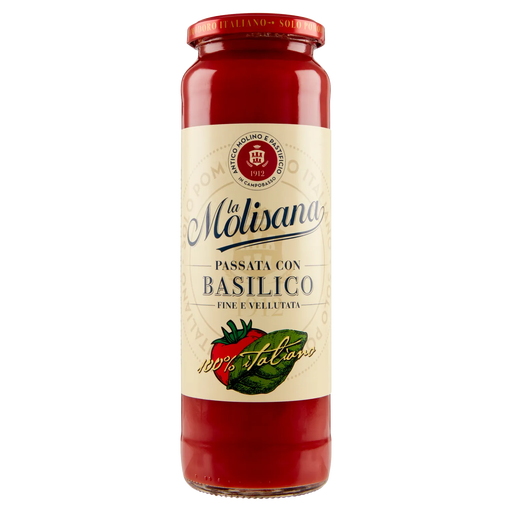 Image unavailable
LA MOLISANA, tomato and basil purée, 690 g
Another tomato and basil base for making pasta sauce. To compare it with a ready-to-use sauce, check the sugars and ingredients per 100 g for each product.
View on Joybuy
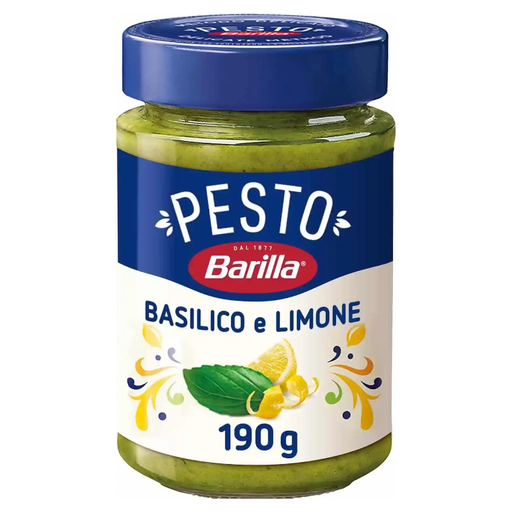 Image unavailable
Barilla, basil and lemon pesto, 190 g
A pesto to serve with pasta, best compared separately from tomato purées. Check the ingredients list, allergens and the portion you plan to use before adding it to your meal.
View on Joybuy
Frequently asked questions
Does ‘no added sugar’ mean a sauce contains no sugar at all?
No. According to the Anses, this claim does not rule out sugars that occur naturally in the ingredients. Also check the ‘of which sugars’ figure per 100 g to compare sauces.
Is a tomato-based sauce necessarily ‘reduced in sugar’?
No. The presence of tomatoes alone doesn’t prove that a sauce has less sugar than another one. Compare the ‘of which sugars’ figures on the same per-100 g basis, and check what any comparative claim on the packaging refers to.
Is the sauce enough to make pasta high in protein?
Not on its own, based on the four tomato sauces cited: their Auchan product pages list 1.1–1.6 g of protein per 100 g of sauce. Check the protein in the other foods in the dish rather than assuming the sauce alone determines the protein content of the meal.
How long can you keep pasta sauce after opening?
Follow the storage time and conditions shown on the packaging for the product you buy. These can vary between recipes. For example, the Auchan product page for its tomato and basil sauce says to keep it in the fridge and consume it within 8 days of opening.
Should you check the allergens in tomato sauce or pesto?
Yes, if you need to avoid particular ingredients: the contents depend on the exact recipe. Check the label on the sauce and on any other foods you add to the dish. Don’t assume tomato sauce and pesto have the same ingredients.


