Anyone who wants to serve tomato sauce quickly
For fresh pasta, ravioli or gnocchi, you want a ready-to-use sauce and prefer to check the ingredients of a tomato recipe before choosing.


To serve with fresh pasta at a Candlemas meal, choose a fresh tomato sauce if you want a ready-to-serve tomato base, or pesto if you prefer basil and cheese. Either way, check the exact recipe: the words ‘fresh tomatoes’ don’t tell you everything about the ingredients, while pesto may contain nuts and milk.
For fresh pasta, ravioli or gnocchi, you want a ready-to-use sauce and prefer to check the ingredients of a tomato recipe before choosing.
You’d like to serve your pasta with basil and cheese, while checking what’s in the jar – particularly if nuts or milk need to be avoided.
You check the ingredients, pack size and local availability before choosing between a national brand and a supermarket own-brand product.
First decide whether you want a sauce that’s ready to serve or a tomato base to prepare yourself. Then compare the ingredients and pack size of the product you’ve chosen: a cooked tomato sauce, pesto and tomato purée aren’t necessarily used in the same way.
| Criteria | What to check | Who it’s for |
|---|---|---|
| Ready-to-serve tomato sauce | Check the product description and any added ingredients, even if the jar mentions fresh tomatoes. | If I want to serve pasta quickly without making the sauce, I look for a tomato recipe that works with my planned toppings; around 45% of consumers prioritise this. |
| Ingredients to avoid | Read the ingredients list and any highlighted allergens; the Barilla Pesto alla Genovese mentioned here contains cashew nuts and Parmigiano Reggiano PDO. | If someone at the table needs to avoid certain ingredients, I only choose after reading the label on the specific jar. Recipe suitability comes first for around 33% of consumers. |
| Pack size and availability | Compare the net weight with the amount you need and check availability at your chosen shop or collection point. | If I want to prepare the amount I need without relying on a product that my local shop may not stock, I check the pack size and retailer; this is the top priority for around 22% of consumers. |
This wording alone doesn’t tell you which aisle a sauce is sold in, all its ingredients or how it should be stored.
Before and after opening, check the ingredients, the date shown and the storage instructions on the product you choose.
Barilla says its Pesto alla Genovese contains cashew nuts and Parmigiano Reggiano PDO, among other ingredients. Other pesto recipes may differ.
If there’s an ingredient you need to avoid, check the list and highlighted allergens on the label of the product you’re buying.
A product listing doesn’t necessarily mean the jar is stocked at the shop where you plan to do your shopping. E.Leclerc advises customers to check availability of its Provençal sauce with the relevant store.
Check with your local shop or collection point before choosing this recipe for your meal.
These brands offer a way to compare different types of recipe; check the ingredients and pack size of each product individually.
Panzani offers a fresh tomato sauce for anyone looking for a ready-to-serve tomato sauce.
Barilla Pesto alla Genovese is the basil pesto option among the recipes considered here.
E.Leclerc sells a Provençal sauce under this brand, made with fresh tomatoes from Provence and available in a 400 g jar.
E.Leclerc lists a plain fresh tomato sauce by Turini, sold in a pack of 2 × 190 g.
These Joybuy products include tomato sauces to serve with pasta, as well as tomato bases to season yourself. If you want something that needs no extra preparation, make sure you distinguish sauces from purées and passata.
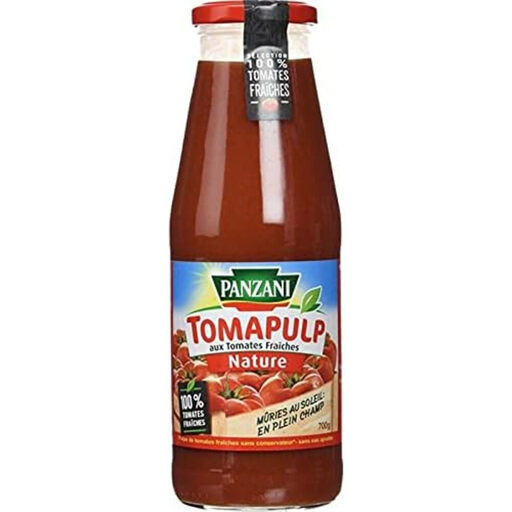 Image unavailable
A ready-to-use tomato sauce to consider if you want something to serve straight away with pasta. The pack contains 700 g; follow the refrigeration instructions after opening.
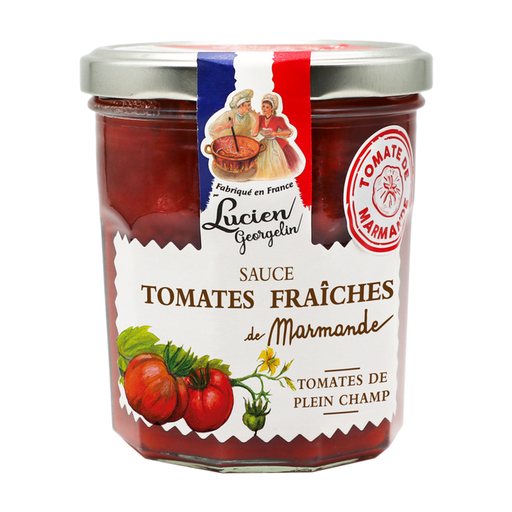 Image unavailable
This tomato preparation is described as suitable for serving with pasta. The jar contains 300 g; the recipe also includes other ingredients, such as sugar and tapioca starch, which is worth bearing in mind if you’re looking for a simple tomato purée.
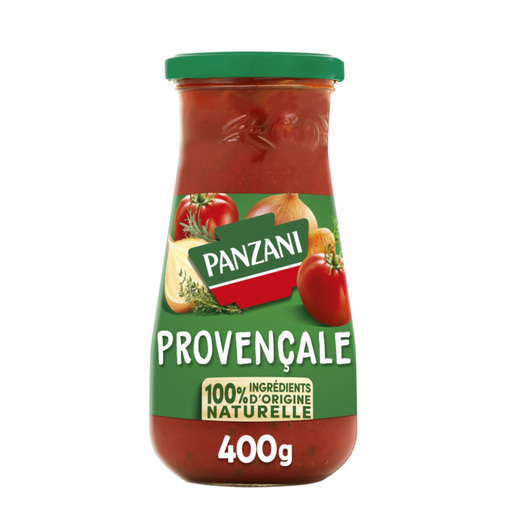 Image unavailable
This pasta sauce is a good choice if you’re after a Provençal-style recipe rather than a plain tomato base. The jar contains 400 g; the recipe includes peppers, garlic and herbs.
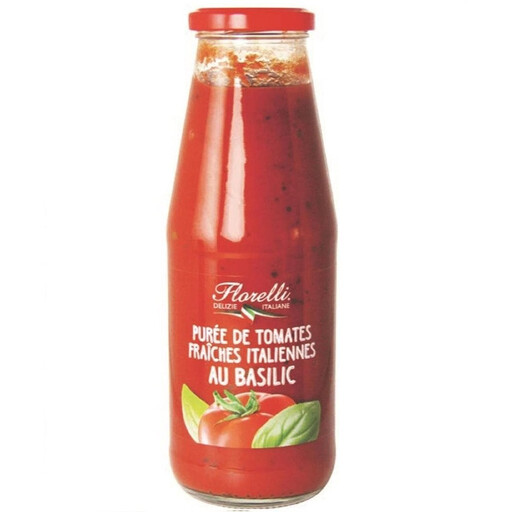 Image unavailable
This purée can be used as a base for pasta sauce if you want to season it yourself. The pack contains 690 g; allow time to prepare it rather than choosing it as a ready-made cooked sauce.
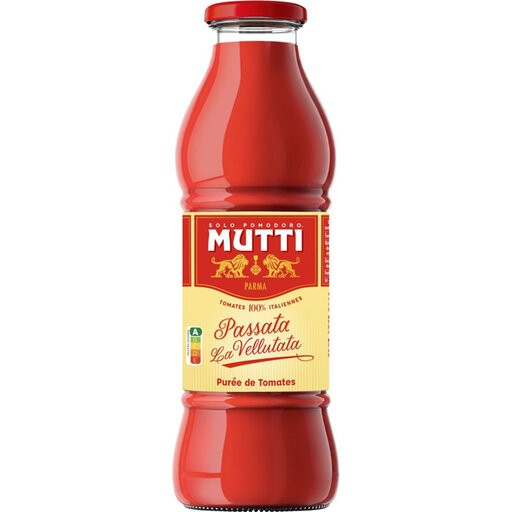 Image unavailable
This passata is a base for making pasta sauce, rather than a sauce that’s already seasoned. The pack contains 700 g; prepare it to suit your dish and follow the storage instructions after opening.
No. This wording alone doesn’t tell you which aisle it’s sold in or how it should be stored. Check the date on the packaging and the instructions for before and after opening.
Don’t choose a pesto without reading the label for the specific product. Barilla says its Pesto alla Genovese contains cashew nuts and Parmigiano Reggiano PDO; check the highlighted allergens in the ingredients list.
If the packaging shows a use-by date, follow it and keep the product at the stated temperature. After opening, also follow the product’s own storage instructions.
Not necessarily: availability depends on the store you choose. For its Nos Régions ont du Talent Provençal sauce, E.Leclerc advises customers to check with the relevant store, so confirm the product is available before planning your meal.