Busy people keeping an eye on salt
You want to make pasta on a weeknight and decide for yourself how much salt to add to the cooking water and sauce.


If you want to keep salt in check at a quick dinner, start with plain pasta, then compare the ‘salt’ line and decide how to season it. Fresh pasta can cut down on cooking time, but check the sauce, cheese and added salt too: a short cooking time doesn’t tell you how much salt is in the whole meal.
You want to make pasta on a weeknight and decide for yourself how much salt to add to the cooking water and sauce.
You’re deciding between plain fresh pasta and a ready-made meal. Saving time matters, but so does what’s in your dinner.
You check these nutritional values without confusing them with the salt content of the specific product or what you serve with it.
For a quick dinner, first compare the salt in products of the same type, then check the preparation time and what’s in the sauce you plan to serve. The value per 100 g of dried pasta doesn’t tell you how much salt is in a whole ready meal.
| Priority | What to check | Who it’s for |
|---|---|---|
| Salt in your dinner | Compare salt per 100 g across similar products; for a ready meal, check the portion size and sauce too. | If I choose low-salt pasta, I want to control how much the sauce and seasoning add to my dinner. Around 46% of consumers would put this control over salt first. |
| Preparation time | Check the cooking or reheating time and storage instructions for the specific product. | When I get home late, I mainly want to cut down the time before serving, without choosing a ready meal just because it’s quick. Around 36% of consumers would make this their priority. |
| Fibre or protein | Read these values separately from the ‘salt’ line, then take your choice of accompaniment into account. | I want to choose pasta for its fibre or protein content, while still keeping an eye on the salt in my meal. Around 18% of consumers would make this their priority. |
Anses points out that sauces and condiments also contribute to your salt intake. So, choosing a low-salt pasta base doesn’t determine the salt content of your dinner on its own.
Choose your sauce and accompaniments along with your pasta, then adjust the salt you add to the cooking water and seasoning.
According to their respective product details, AUCHAN spaghetti contain less than 0.01 g of salt per 100 g, while AUCHAN tagliatelle carbonara contains 2.3 g per 333 g ready-meal portion. The products are in different states and the amounts being compared are different.
First compare products of the same type per 100 g, then check the portion you plan to eat and its ingredients.
Fibre and protein content don’t tell you how much salt a product contains. Barilla lists 8 g of fibre per 100 g for its Linguine Integrale; Panzani states that its Les Protéinées range contains 20 g of protein per 100 g portion.
Check the nutritional information for the exact product separately, especially the ‘salt’ line, before choosing a sauce.
These examples show different options, from dried and fresh pasta to ready meals. The values and cooking times below apply to the named products, not to every product from each brand.
Classic or wholemeal dried pasta for a dinner where you choose what to serve with it.
The Les Protéinées range is aimed at people comparing the protein content of their pasta.
Fresh pasta to consider when cooking time is a priority.
The retailer offers both plain dried pasta and ready-made pasta meals, which should be compared separately.
A dried pasta option to compare for a meal you’ll season yourself.
This selection includes plain dried pasta to serve with a sauce of your choice, as well as a spaghetti-shaped product made with konjac and oats. If you’re choosing something for a busy evening, check the preparation instructions on each pack.
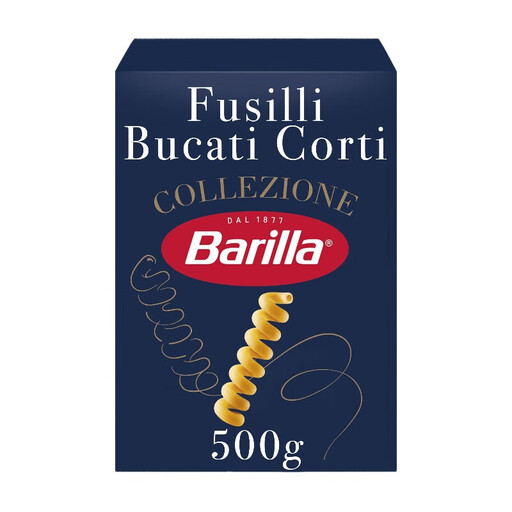 Image unavailable
A pasta shape you can season to suit your taste, with a sauce of your choice.
500 g pack. If preparation time matters, check the cooking time on the pack.
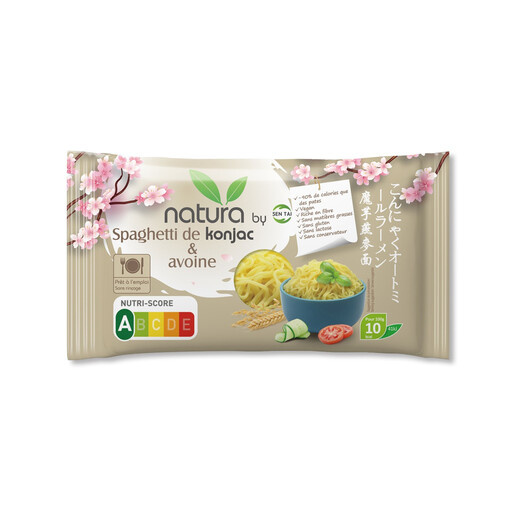 Image unavailable
Worth considering if you’re looking for a spaghetti-shaped product made with konjac and oats, rather than traditional pasta.
250 g pack. Check the preparation instructions and, if needed, the allergen information on the pack.
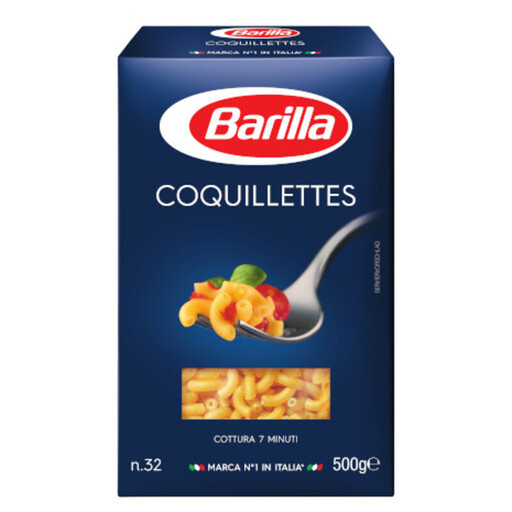 Image unavailable
Small pasta shapes for a dinner seasoned just the way you like it.
500 g pack. Check the cooking time on the pack if you need to serve dinner quickly.
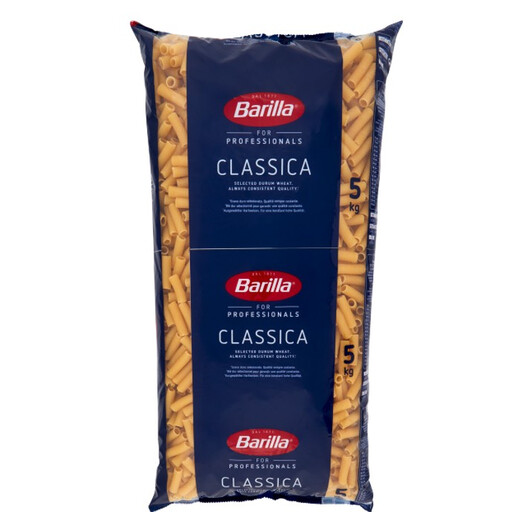 Image unavailable
Tortiglioni to season yourself, if a larger pack suits the way you cook.
5 kg pack: make sure you have enough storage space. Check the cooking time and salt content for this product on the pack.
It can be a base for a dinner that you season yourself. The product details for Turini Torsades, Rummo Stelline and AUCHAN Spaghetti list 0.0 g, 0.005 g and less than 0.01 g of salt per 100 g respectively. Also check the salt added to the cooking water, the sauce and any accompaniments.
You can reduce or leave out the salt in the cooking water if you want to control how much salt is in your meal. Assurance Maladie advises against adding too much salt to cooking water; herbs and spices are a good way to vary the seasoning.
No, it depends on the product. For comparison between different products, AUCHAN’s product details for Tagliatelles à la carbonara list 2.3 g of salt per 333 g portion. Check the salt per portion for the meal you’re considering rather than assuming it has the same salt content as plain pasta.
No. Check the ‘salt’ declaration, how much you plan to eat and the ingredients of the specific product. European Regulation (EC) No 1924/2006 governs nutrition claims, but a claim on a product page doesn’t tell you how much salt is in the sauce or the whole dinner.