People keeping an eye on the salt in their meal
You’re making the pasta and sauce yourself. The value on the pack matters, but you also want to control the salt in the cooking water and the ingredients you add.


When making pasta at home and keeping an eye on salt, compare the “salt” line on the pasta pack, then consider the salt added to the cooking water, sauce and toppings. Next, choose a shape that suits your recipe. A low salt value for the pasta on its own doesn’t describe the finished dish or, by itself, justify a “reduced salt” claim.
You’re making the pasta and sauce yourself. The value on the pack matters, but you also want to control the salt in the cooking water and the ingredients you add.
You’re looking for a shape to suit your homemade recipe, especially if you’re serving a vegetable-based or light sauce, without assuming the shape affects the salt content.
You’re considering wholewheat pasta or a high-protein range for its nutritional profile. Fibre, protein and salt are three separate details to check on the product you choose.
When planning dinner, start with the whole recipe. Compare the pasta’s nutritional values per 100 g in the same state (as sold or prepared), then consider the salt you’ll add during cooking and to the sauce.
| What to consider | What to check | Who is it for? |
|---|---|---|
| Salt in the dish | The “salt” line per 100 g on the pack, plus the salt added to the water and accompaniments. | If I want to keep the salt in my dinner in check, the pasta on its own doesn’t tell me what will be on my plate once I add the sauce. Around 46% of consumers would prioritise the salt content of the whole meal. |
| Shape and sauce | A shape that suits the sauce you have in mind, and the ingredients in the sauces or toppings you use. | When entertaining over a pasta dish, I want to start with a shape that works for my recipe, while keeping an eye on salty sauce ingredients. Around 36% of consumers would prioritise how well the pasta suits the recipe. |
| Fibre or protein | The fibre or protein listed for your chosen product, as well as its “salt” line. | If I choose wholewheat pasta or a high-protein range, I want to compare its nutritional profile without assuming anything about its salt content. Around 18% of consumers would put fibre or protein first. |
The nutritional value of pasta on its own doesn’t include salt added to the cooking water or to the sauce, cheese, stock or cured meats added afterwards.
Compare the “salt” line on the pasta, then make your sauce with each salty ingredient in mind. Taste before adding more salt.
Barilla recommends 7 g of salt per litre of water in its cooking instructions for Spaghetti Integrale. You don’t have to follow this amount if you want to keep the salt in your meal in check.
Adjust the salt in the water to suit your recipe. Manger Bouger advises against adding too much salt to cooking water and suggests using herbs and spices to add flavour to dishes.
Fibre and protein information relates to other nutritional criteria; it doesn’t replace the salt value for the specific product you’re buying.
Check the nutritional values, ingredients and allergens listed on the pack you choose separately.
Auchan notes that the ingredients in some products may vary depending on the delivery service and purchase date.
Before cooking, check the ingredients, allergens and nutritional values on the pack you receive.
Spaghetti Integrale gives you a whole durum wheat option to compare for a homemade recipe.
The brand offers a range of pasta shapes and a Les Protéinées range, to consider depending on the recipe you have in mind.
Two Auchan spaghetti product listings give salt values you can compare for plain dried pasta.
Carrefour Classic' spaghetti is a durum wheat pasta option to consider for a homemade sauce.
E.Leclerc offers Eco+ spaghetti in a 1 kg bag, a pack size you can compare with the amount you need for your meal.
This selection includes wholewheat pennette and two pasta-shaped konjac products. To choose for this dinner, compare their ingredients and pack sizes, then check the salt in the product and in anything you plan to serve with it.
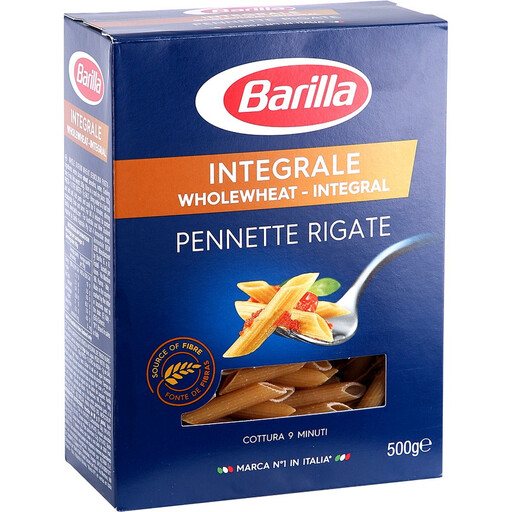 Image unavailable
For making a homemade sauce with a short wholewheat pasta shape. Compare the “salt” line on the pack and take any added ingredients into account.
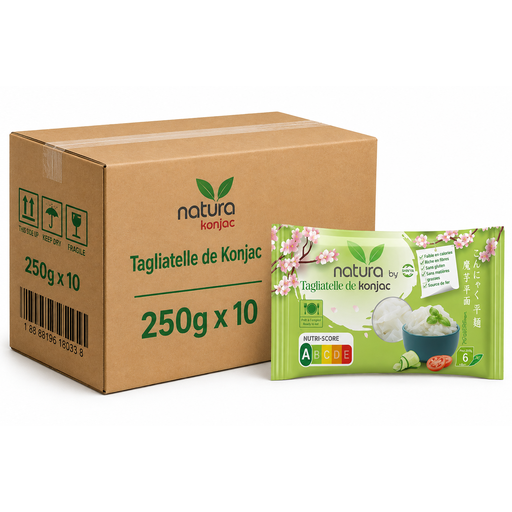 Image unavailable
For a homemade recipe using konjac tagliatelle rather than wheat pasta. The pack contains 10 × 250 g portions; check that this quantity suits your meal and read the product’s nutritional values.
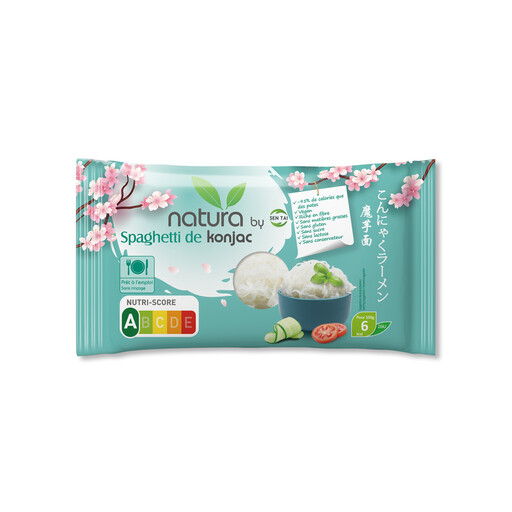 Image unavailable
For serving a spaghetti-shaped konjac product in a homemade recipe, rather than mistaking it for wheat pasta. The pack contains 250 g; check its ingredients and “salt” line, as well as the sauce you plan to use.
No. The value for pasta on its own doesn’t include salt added to the water, sauce or toppings. For comparison, two Auchan spaghetti listings give salt values of less than 0,01 g and 0,025 g per 100 g respectively. Check the value on the pack you choose, then consider the other ingredients in your dish.
No, adjust the amount of salt to suit the recipe you’re making. Manger Bouger advises against adding too much salt to cooking water and suggests using herbs and spices to add flavour to dishes.
Not on its own. A value on a label and a “reduced salt” claim don’t mean the same thing. To compare two products, check their “salt” values per 100 g in the same state (as sold or prepared), without automatically applying that claim to the product.
No. Being wholewheat or high-protein doesn’t determine the salt content on its own. Barilla lists 6,5 g of fibre and 0,013 g of salt per 100 g for its Spaghetti Integrale. For any other product, check its own nutritional values.
Check the ingredients list and allergen information on the specific pack. Carrefour lists durum wheat in its Classic' spaghetti and notes that it may contain traces of eggs, soya and mustard. These details don’t necessarily apply to every product.