People preparing food in advance
You want to portion out the pasta and make your own salad with vegetables or tinned ingredients. Panzani recommends short pasta shapes in particular, as they’re easier to serve in a cold salad.


If you can cook before you set off, short dried pasta lets you adjust the portions and add tinned ingredients chosen for your group. The prepared salad will then need to be kept chilled if its ingredients require it. A ready-to-eat salad saves you the preparation, but check its use-by date and make sure you keep it chilled in transit, following the instructions on the packaging. Multipacks of tinned food are handy for stocking up on ingredients, but they don’t remove the need to store the meal properly once it’s been assembled.
You want to portion out the pasta and make your own salad with vegetables or tinned ingredients. Panzani recommends short pasta shapes in particular, as they’re easier to serve in a cold salad.
A ready-to-eat salad saves you having to cook, as long as you can keep it at the temperature stated on the packaging during your journey and until mealtime.
You want to keep dried pasta and tinned food in the cupboard. If you’d like to tailor the quantities for each outing, the number of tins and their net weight matter more than the multipack size alone.
Consider this: if you can cook the pasta and adjust the toppings and portions before you set off.
Bear in mind: preparation takes time, and perishable ingredients and the assembled salad need to be kept at the right temperature during your journey.
Consider this: if you’re setting off without cooking and can transport a chilled product in line with the instructions on its packaging.
Bear in mind: keeping it chilled and checking the use-by date are still essential, even if you buy the meal just before setting off.
| What to consider | What to check | Who is it for? |
|---|---|---|
| Serving the salad | Compare the pasta shape and the cooking time on the packet. Panzani recommends short pasta for serving in a cold salad. | At the park, I want to be able to portion out the pasta and toppings easily. Around 31% of consumers rank ease of serving as their top priority. |
| Keeping it chilled | Check the chilled product’s storage temperature and use-by date, and plan how to keep it chilled during your journey. According to Anses, low temperatures slow the growth of micro-organisms. | If my meal contains perishable ingredients, I need to be able to keep it chilled until it’s time to eat. Keeping food chilled is the top priority for around 31% of consumers. |
| Tinned food and quantities | Check the number of tins and the net weight of each, then look at the ingredients and storage instructions after opening. | I’m planning several outings and would rather open only the amount of tuna, pulses or vegetables I need for each meal. Around 23% of consumers prioritise quantities they can keep in the cupboard. |
| A meal with no cooking | Check the portion size, ingredients, use-by date and transport instructions for the ready-to-eat salad. | When I’m setting off with no time to cook, I want a meal that’s already made up, while still being able to keep it chilled if it needs refrigeration. This convenience is the main priority for around 15% of consumers. |
A salad sold in the chilled aisle may need to be kept at a specific temperature until it’s eaten. For example, Auchan’s tuna pasta salad comes with instructions to keep it between 1 °C and +4 °C before opening.
Check the label before buying, and only choose this kind of meal if you can keep it chilled until your picnic.
You may need a cool bag and ice packs for the journey and while you’re at the park.
Two multipacks of tuna with the same number of tins won’t necessarily contain the same amount to use once opened.
Compare the net weight per tin with the number of people and meals you’re catering for, rather than relying on the number of tins alone.
Shape matters when you need to portion out a pasta salad outdoors. Panzani recommends short pasta shapes, including coquillettes and mini farfalle, for a cold salad.
Choose a shape that you can serve easily with the toppings, and follow the cooking time on the packet.
France’s DGCCRF distinguishes between the use-by date (DLC), which must not be exceeded, and the best-before date (DDM). A product may still be used after its best-before date if the packaging is intact, although its quality may have deteriorated.
Read the exact date label and storage instructions, and check that the packaging is intact before using tinned food.
A brand to consider when choosing pasta for a homemade salad.
A brand with several pasta ranges, including smaller shapes and wholewheat pasta.
An option for gnocchi, filled pasta or tagliatelle, depending on the meal you have in mind.
A retailer to consider when comparing chilled pasta salad with multipacks of tinned fish.
A retailer to browse for dried pasta and tinned or jarred food you can keep in the cupboard.
These products are pasta that you cook to make a salad before setting off. Choose tinned ingredients separately to suit your toppings and the quantities you need, then plan how to store the assembled meal safely.
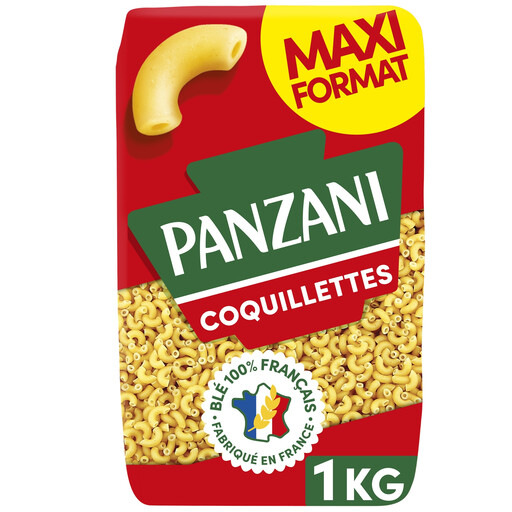 Image unavailable
Shell-shaped pasta to cook for a homemade salad. The 1 000 g pack lets you plan how much to make. Check the cooking time on the packaging.
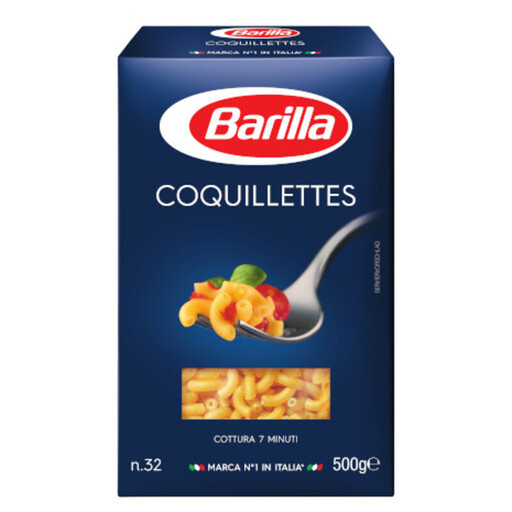 Image unavailable
Small pasta shapes for putting together a cold salad. Panzani lists coquillettes among the shapes suited to this use. The pack contains 500 g; check the cooking instructions before planning your preparation.
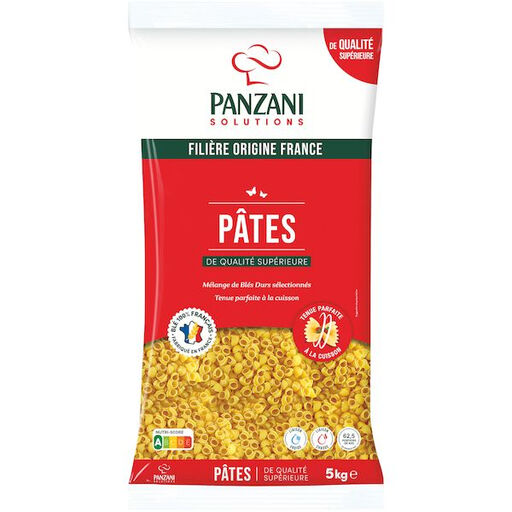 Image unavailable
Short pasta to cook if you’re planning several meals rather than a single picnic. With a 5 kg pack, you’ll need to plan how much to use and how to store the rest.
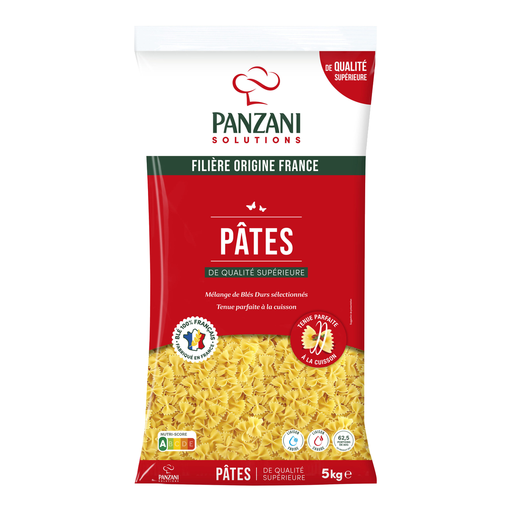 Image unavailable
Farfalle are worth considering for a homemade salad: Panzani lists this shape among the short pastas that are easy to serve cold. Check the net weight and cooking time on the packet when planning your meal.
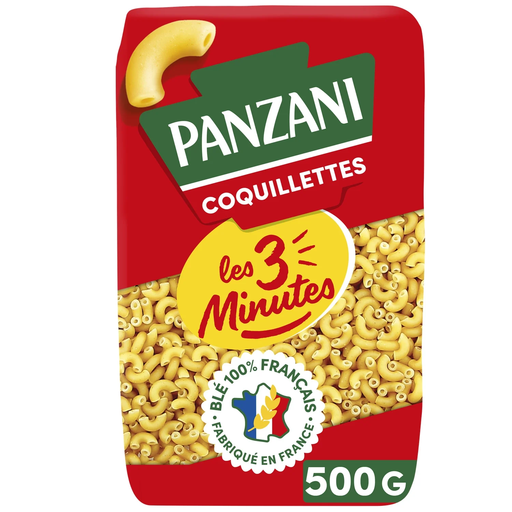 Image unavailable
Short pasta to cook before setting off when preparation time matters. The pack is 500 g and gives a cooking time of 3 minutes. Check the instructions on the packaging, then plan how to transport the prepared salad safely.
Short pasta shapes are practical for serving. Panzani recommends penne and farfalle in particular for a cold salad. Follow the cooking instructions on the packet and allow enough time to prepare and transport the salad.
If the salad contains ingredients that are sensitive to temperature, plan how to keep it chilled until mealtime. Anses reminds us that low temperatures slow the growth of micro-organisms. Unopened pasta and tinned food kept in the cupboard don’t need to be transported in the same way as an already-assembled salad.
Follow the storage instructions for the salad you choose rather than leaving it in an ordinary bag. Auchan’s tuna and salad vegetable version needs to be kept between 1 °C and +4 °C before opening, and eaten immediately after opening.
A use-by date is a deadline that must not be exceeded, while a best-before date indicates how long a product is expected to retain its quality. According to France’s DGCCRF, a product can still be eaten after its best-before date if the packaging is intact, although its quality may have deteriorated. You should also follow its storage instructions.
Compare the number of tins and their net weight with the quantities you’ll use for each meal. Auchan’s tuna range includes multipacks of 2 × 140 g, 3 × 112 g and 3 × 80 g. Check the ingredients and the instructions for after opening on the product you choose.