Smaller households looking to manage their stock
If you’re now cooking for one or two, choose quantities that suit your routine and shapes you’ll actually use, rather than filling the cupboard with several packs of the same pasta.


If you live alone or with one other person, choose how much pasta to buy based on the meals you actually make. A 1 kg pack is a good fit if you often use the same shape, while 500 g packs let you try different recipes. A multipack is only worthwhile if you plan to use every pack and can store them properly. Check the shape, allergens and date shown on each pack, too.
If you’re now cooking for one or two, choose quantities that suit your routine and shapes you’ll actually use, rather than filling the cupboard with several packs of the same pasta.
If preparation time matters, check the cooking time on the pack, while making sure the shape suits the recipes you usually cook.
If you’re looking for wholewheat pasta, need to check for allergens or often cook a particular type of sauce, check the exact product before choosing a pack size.
First decide how much pasta and which shapes you’ll use, then compare products by cooking time and their nutritional and allergen information.
| What to consider | What to check | Who is it for? |
|---|---|---|
| How much to store | Compare the pack size with the meals you have planned and the space available in a dry cupboard. | Now that I cook pasta less often than I used to, I’d rather avoid leaving the same product in the cupboard for too long. Around 36% of consumers would prioritise matching their stock to how much they use. |
| Cooking time | Check the cooking time and instructions for the shape you’ve chosen. | If I often need to make dinner quickly, cooking time could influence my choice. Speed is said to be the main priority for around 29% of consumers. |
| Shapes and recipes | Choose one or two shapes to suit the sauces, salads or bakes you usually make. | I want to try different recipes without building up a stock of packs I rarely use. Around 21% of consumers would put matching pasta shapes to their meals first. |
| Ingredients and allergens | Check the ingredients list, allergen information and nutritional values for the exact product. | If ingredients or avoiding a particular ingredient guide my choice, pack size becomes less important. Around 14% of consumers would prioritise this. |
A best-before date indicates how long a product is expected to keep its quality, unlike a use-by date, which applies to highly perishable foods. The DGCCRF highlights this distinction.
Read the date wording and storage instructions. If dry pasta is past its best-before date, check that the packaging is intact before deciding whether to use it.
Six identical packs don’t offer the variety of an assortment of different shapes. They could also take up more space than you need if you rarely cook that type of pasta.
Count the meals you genuinely plan to make with the pasta and check where you’ll store the packs.
The weight and shape won’t tell you about every ingredient or any declared traces that may be present in a particular product.
Check the label on the packs you buy, especially if you need to avoid an ingredient.
If a shape doesn’t suit the dishes you usually make, it could end up unused when you’d rather be making salads or pasta bakes.
Start with your regular recipes and add another shape only if it has a different use.
Panzani offers classic shapes, quick-cook pasta and a wholewheat range. Compare products according to the meals you have planned.
Barilla’s ranges include classic, wholewheat and gluten-free pasta, as well as Al Bronzo.
Lustucru Sélection includes pan-fry gnocchi, filled pasta and tagliatelle, offering options for different kinds of meals.
The Carrefour pasta aisle lets you compare individual packs with some multipacks.
The Auchan pasta aisle includes 1 kg packs of spaghetti and quick-cook options.
These individual 500 g or 1 kg packs make it easy to stock your cupboard with the shapes, cooking times and quantities you use. They are not multipacks.
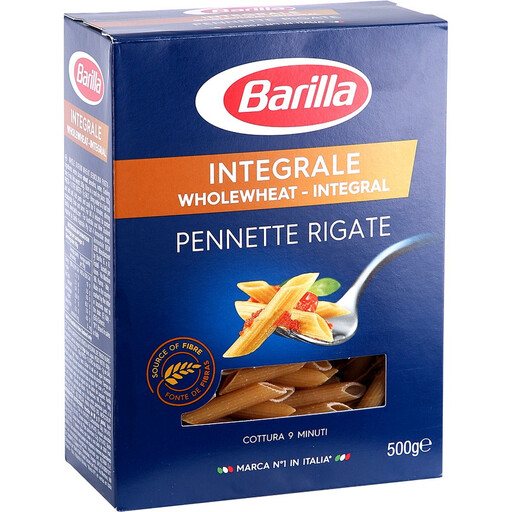 Image unavailable
These wholewheat pennette rigate come in a 500 g pack, making them a handy way to add another shape to a small pasta stock. Check the ingredients and allergen information on the packaging.
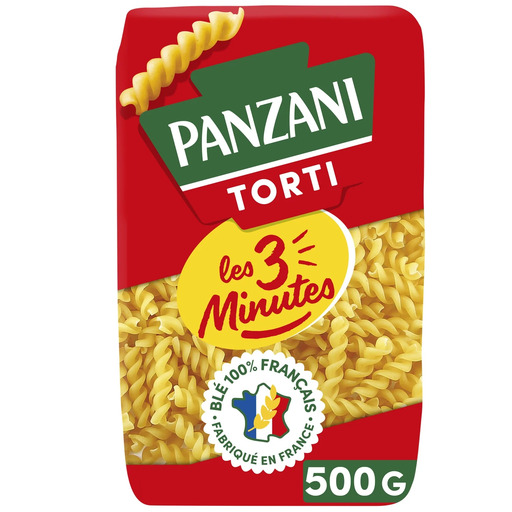 Image unavailable
For meals where cooking time matters, this pasta is labelled as ready in 3 minutes. Follow the instructions on the pack and check the allergen information.
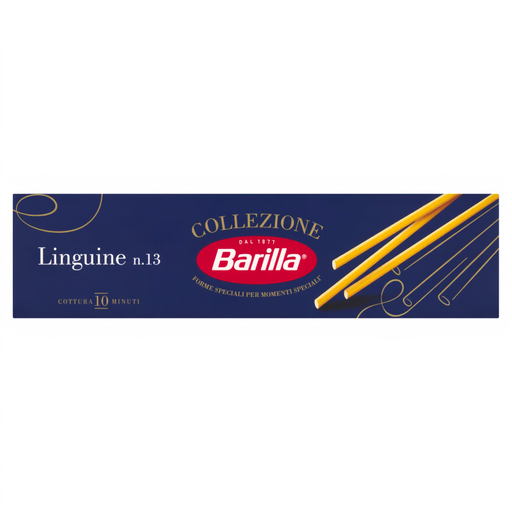 Image unavailable
If you’ve planned meals that call for long pasta, this 500 g pack of linguine lets you keep a smaller amount in the cupboard. Check the ingredients on the packaging.
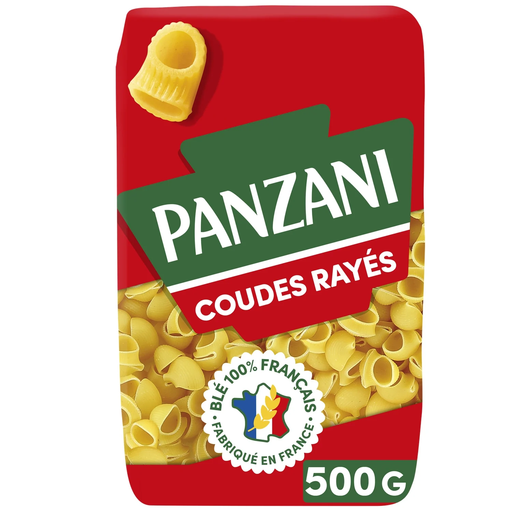 Image unavailable
If you’re making a dish that calls for a short pasta shape, these elbow pasta pieces are an alternative to linguine. The pack contains 500 g; check the allergen information on the packaging.
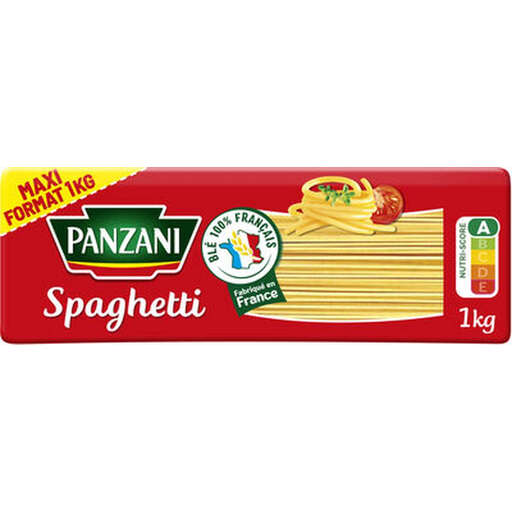 Image unavailable
If you regularly make spaghetti, this 1 kg pack gives you a good stock of one shape. The Joybuy product listing states that it contains wheat and may contain traces of soya, mustard and egg. Check the pack and follow its storage instructions.
Being past its best-before date doesn’t automatically mean dried pasta needs to be thrown away. The DGCCRF explains that the product may have lost some of its flavour or other qualities. Check that the packaging is intact and follow the storage instructions.
Follow the instructions on the pack. The Joybuy listing for Panzani 500 g spaghetti recommends storing it in a dry place. Once opened, keep the pasta away from moisture and make sure the date and allergen information are easy to find.
Start with the shapes that suit the dishes you make regularly. Panzani suggests short pasta for vegetable sauces, salads or soups. An extra shape is only useful if it suits another recipe you often make.
Check the wheat and any other allergens declared for the specific product and batch you’re buying. The Joybuy listing for Panzani Spaghetti Cello 1 kg mentions wheat and possible traces of soya, mustard and egg.