Students preparing several lunches
If you cook using cupboard staples, choose an amount you can store and use regularly.


If you’re preparing several lunches for uni, a 1 kg pack of dried pasta could be a good choice if you have somewhere to store it and plan to use it all. Quick-cook pasta may suit a short break, provided you can cook it. If you’d like to mix things up, wholewheat or semi-wholewheat options are also worth considering, depending on their ingredients and texture.
If you cook using cupboard staples, choose an amount you can store and use regularly.
Between lectures, cooking time matters, but so does whether you can actually boil water or use a frying pan.
Wholewheat or semi-wholewheat pasta could be an option if you’re looking for more fibre. Check the nutritional information and consider which texture you prefer.
For a lunch at uni, start with the time and equipment available to you, then choose a pack size you can store and use. The four considerations below each reflect a need that shoppers might prioritise.
| Factor | What to check | Who it matters to |
|---|---|---|
| Pack size | Check the net weight and choose an amount that suits the space you have and the meals you’re planning. | If I’m preparing several lunches, I want to use the whole pack without it taking up too much cupboard space. Around 36% of shoppers prioritise getting a useful amount. |
| Cooking and equipment | Check the cooking time and preparation method, including whether you’ll need boiling water or a frying pan. | When my break is short and the kitchen is poorly equipped, I need to be able to prepare the pasta with the equipment available. Around 29% of shoppers put this need first. |
| Fibre and ingredients | Look for ‘wholewheat’ or ‘semi-wholewheat’ on the pack, then check the ingredients and fibre per 100 g. | If I want to vary my meals with wholewheat or semi-wholewheat pasta, I check the ingredients without assuming I’ll like the texture. Around 21% of shoppers prioritise this. |
| Storage | Check the condition of the packaging, the date shown and the storage instructions, including what to do after opening. | If I’m keeping products for future lunches, I want to know how to store them and understand the date on the pack. Around 14% of shoppers prioritise this first. |
A 1 kg pack is best suited to you if you have room to store it and are planning several pasta meals.
Before buying, check the net weight, the condition of the pack and how much cupboard space you have.
A short cooking time doesn’t solve the problem of finding somewhere to cook between lectures.
Check the pack instructions and make sure you can use the equipment needed, or prepare your meal in advance.
The minimum durability date (DDM) relates mainly to product quality, while a use-by date (DLC) must not be exceeded, as the DGCCRF reminds shoppers.
Check which type of date is shown on the product, inspect the packaging and follow the storage and after-opening instructions.
They can have different preparation and storage requirements. For example, Lustucru says that one of its pan-fry gnocchi products needs a frying pan and oil.
For each product, read the preparation method, date and storage instructions before deciding whether it suits your day at uni.
These supermarket own-label brands offer dried pasta in standard pack sizes. Carrefour Classic’ also has a coquillettes product advertised as cooking in 3 minutes.
Panzani offers several pasta shapes as well as a ‘Les 3 Minutes’ range.
The range includes classic pasta and wholewheat options in different shapes.
Lustucru offers pasta as well as products prepared in other ways, including gnocchi for pan-frying.
The retailer’s own-brand range includes coquillettes, spaghetti, torti and penne, as well as wholewheat options.
These three 500 g packs offer different options for lunches at uni: wholewheat pasta, pasta advertised as cooking in 3 minutes, or penne rigate. Choose according to whether you have access to a kitchen and the type of pasta you’re looking for.
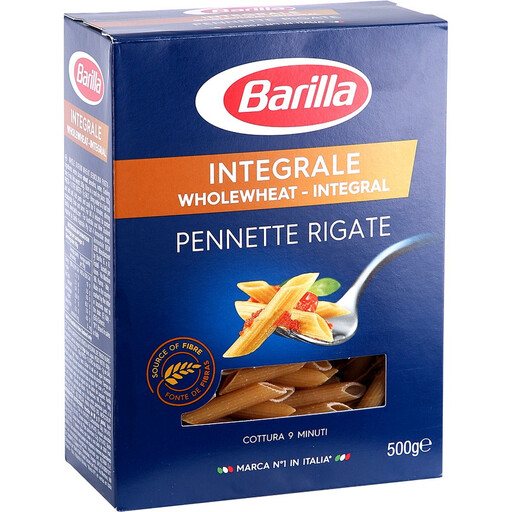 Image unavailable
A way to add variety to your lunches with wholewheat pasta. Check the fibre per 100 g, cooking instructions and ingredients on the packaging.
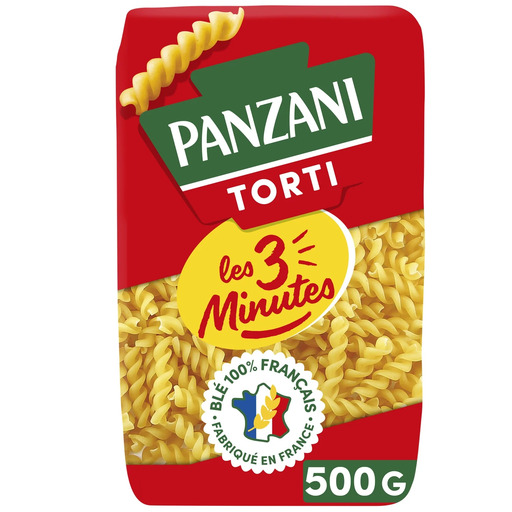 Image unavailable
For a short break, if you can cook pasta on site. The 3-minute cooking time is stated in the product name; check the preparation instructions on the packaging.
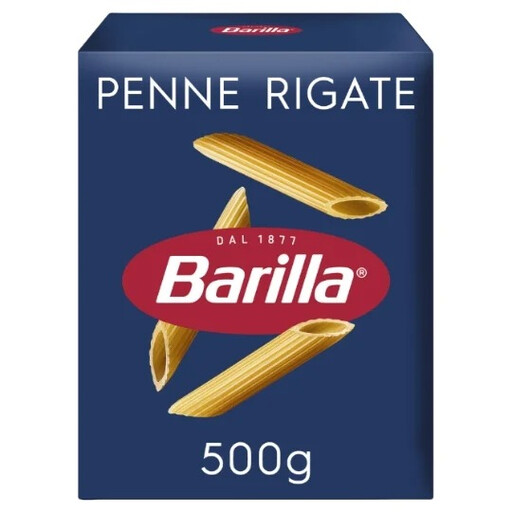 Image unavailable
For a lunch of penne rigate when you have the time and equipment you need. Check the cooking time and storage instructions on the pack.
Choose it if your break is short and you can actually cook it. Check the cooking time and preparation method on the pack: a 3-minute cooking time doesn’t mean you can do without the necessary equipment.
You can alternate it with other types of pasta if you want to vary the grains and take fibre into account. Manger Bouger recommends choosing wholegrain or semi-wholegrain starchy foods too. Check the ingredients and nutritional information for the product you choose, as well as whether you like its texture.
First, check whether it’s a DDM or a DLC. The DGCCRF distinguishes between the potential loss of quality after a DDM and a DLC, which must not be exceeded. Also take the condition of the packaging and the storage instructions into account.
No. If it’s shown, you can consider it alongside the ingredients list and nutritional information, including fibre per 100 g. Santé publique France says the new Nutri-Score algorithm has been rolling out gradually in France since March 2025. Also check that the products you’re comparing are intended for the same use.