To keep the salt in a pasta meal for a fussy eater down, compare the ‘salt’ line on the pack, then decide separately how much salt to add to the cooking water and what to serve with the pasta. A shape your child already accepts can make mealtimes easier, but neither the shape nor the words ‘whole wheat’ indicate a lower salt content. If your child needs to avoid gluten, check the ingredients and agree arrangements for school meals before choosing wheat pasta.
Who are these options for?
Parents keeping an eye on salt in the whole meal
The salt content listed for dry pasta is just a starting point: the cooking water and what you serve with it matter too. Barilla France lists 0.013 g of salt per 100 g for its Linguine Integrale, while recommending 7 g of salt in 1 litre of water to cook 100 g of pasta. These figures apply to this particular product and preparation, not to all pasta.
Parents of children who are particular about shapes and textures
If your child already accepts a short pasta shape, you can use that as your starting point and serve the sauce separately if they don’t like foods mixed together. Panzani describes short pasta as suitable for a range of dishes, but the shape doesn’t tell you anything about its salt content.
Families arranging gluten-free school meals
If your child needs to avoid gluten, standard wheat pasta isn’t suitable: check the ingredients and allergen information on the pack you choose. For a pupil with a food allergy, the French Ministry of National Education says an individualised support plan (PAI) can be used to arrange a special diet at school.
What should you look for first?
Start with the need that really determines your choice: whether gluten needs to be avoided, whether your child accepts the shape, and then the salt listed on the pack and what you add during preparation.
| Criteria |
What to check |
Consumers concerned |
| Salt in the meal |
Compare the ‘salt’ line per 100 g on the exact pack. Also consider how much salt you add to the cooking water and what you serve with the pasta. |
If I’m looking to reduce salt, I need to consider the dish I’m serving rather than the pasta alone; around 36% of the consumers concerned would make this their priority. |
| Shape and texture |
Start with a shape your child already accepts and, if needed, serve the sauce separately. |
If a new texture might put my child off the meal, I choose a familiar shape; around 29% of the consumers concerned would put acceptance first. |
| Gluten and school meals |
Read the ingredients and allergen information on the pack. If your child needs a special diet at school, confirm the arrangements with the school. |
If my child needs to avoid gluten, ordinary wheat pasta isn’t an option, even if it is low in salt; around 21% of the consumers concerned would put this compatibility first. |
| Everyday preparation |
Check the shape and cooking time on the pack, and remember to consider how you’ll season the meal. |
When I’m short on time, I need a simple option with instructions that match the product I receive; convenience would be the priority for around 14% of the consumers concerned. |
Mistakes to avoid
-
Assuming low-salt pasta makes a low-salt meal
Barilla France lists 0.013 g of salt per 100 g for dry Linguine Integrale, but also recommends adding 7 g of salt to the water used to cook 100 g of pasta. So the figure on the pack doesn’t, on its own, tell you how much salt will be in the prepared meal.
Compare the ‘salt’ line, then decide separately how to season the cooking water, sauce and toppings.
-
Assuming ‘whole wheat’ means ‘less salt’
Whole wheat and salt content are two separate things. Barilla France lists 8 g of fibre per 100 g for Linguine Integrale, but that figure doesn’t tell you the salt content of a different product.
If your child likes the taste and texture of whole wheat pasta, still check the ‘salt’ line on the pack you choose.
-
Relying on the online product page alone
Product page information may not clearly match the item: a Joybuy page for Panzani ‘Les 3 minutes’ coquillettes also mentions fusilli in its description. For Auchan coquillettes, possible trace allergen information varies between the products shown by the retailer.
Before serving the pasta, check the shape, cooking time, ingredients and allergens on the pack you receive.
-
Treating gluten avoidance as a simple preference about shape
Durum wheat semolina pasta isn’t suitable for a child who needs to avoid gluten. For a food allergy, the French Ministry of National Education says a PAI can set out arrangements for school attendance and meals.
Check the exact product and confirm the arrangements for your child with the school.
Brands to consider
Barilla
The range includes classic shapes and whole wheat pasta, so you can compare options based on the shape your child accepts.
- For Linguine Integrale, Barilla France lists 0.013 g of salt and 8 g of fibre per 100 g.
- These figures apply to Linguine Integrale. Check the figures for any other product, as well as how you plan to season the pasta during cooking.
Panzani
Panzani offers pasta in a range of shapes, including short pasta and its ‘Les 3 minutes’ range.
- Panzani says some short pasta shapes can be served with a vegetable sauce, in a salad or in soup.
- For ‘Les 3 minutes’ coquillettes, check the shape and cooking instructions on the pack: the Joybuy product page also mentions fusilli.
Lustucru
Carrefour’s catalogue includes a Lustucru whole wheat coquillettes product.
- This short shape could be a way to try whole wheat pasta if your child likes the taste and texture.
- Check the ingredients, allergens and ‘salt’ line on the exact pack before choosing it.
Auchan
Auchan offers classic coquillettes as well as whole wheat options.
- The product page for the classic coquillettes lists durum wheat semolina; the whole wheat products list whole durum wheat semolina.
- Possible traces of egg, soya or mustard vary between products, so check the packaging you buy.
Carrefour
Carrefour offers its own-brand coquillettes in classic and whole wheat varieties.
- These two types of pasta let you compare a familiar shape with a whole wheat option.
- The category or shape alone doesn’t indicate a lower salt content: check the nutritional information for the product you choose.
Pasta to compare on Joybuy
These three packs of dried pasta let you compare coquillettes, whole wheat pennette and Cellentani in a larger pack. First choose a shape and pack size that suit your meal, then check the salt, ingredients and allergen information on each pack.
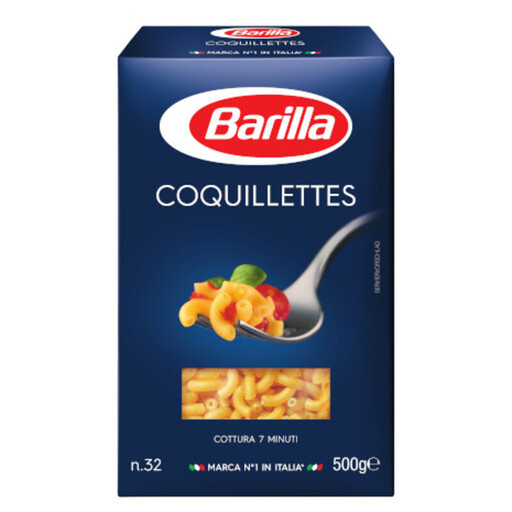 Image unavailable
Barilla Coquillettes 500 g
Worth considering if your child already likes coquillettes. The pack contains 500 g of pasta; check its ‘salt’ line and allergen information, then decide separately how to season the dish.
View on Joybuy
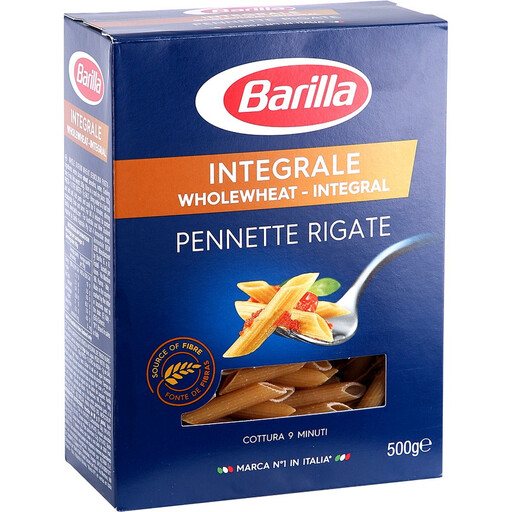 Image unavailable
Barilla Whole Wheat Pennette Rigate Tub 500 g
These whole wheat pennette are worth considering if your child likes the taste and texture. The listed pack size is 500 g; ‘whole wheat’ doesn’t replace checking the ‘salt’ line or allergen information on the pack.
View on Joybuy
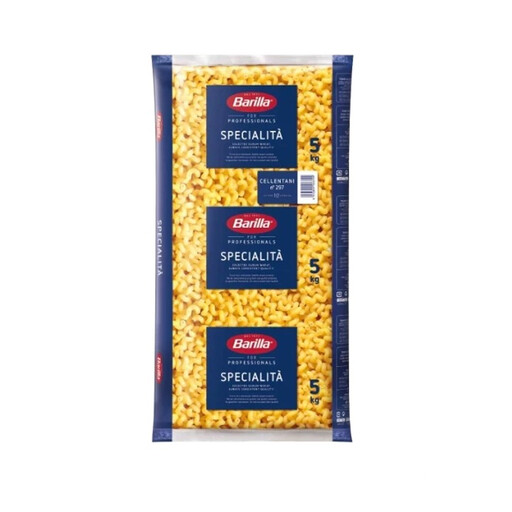 Image unavailable
Barilla Cellentani 5 kg
This pack size may suit you if you use this pasta shape regularly and have room to store a 5 kg pack. Check that your child likes Cellentani, then compare the salt and allergen information on the packaging.
View on Joybuy
Frequently asked questions
Do ordinary dried pasta products always carry a ‘reduced salt’ claim?
No. A low salt figure for one product isn’t enough to class all dried pasta as reduced-salt. Barilla France lists 0.013 g of salt per 100 g for Linguine Integrale as sold. Compare the ‘salt’ line on the pack you choose and remember to take the cooking method and what you serve with it into account.
Should you salt the water for pasta served to a child?
You don’t need to salt the water to cook pasta. Manger Bouger recommends limiting salt and advises against adding salt to food offered to children under one. When planning the meal, decide how to season it while also taking the sauce and toppings into account.
How do you choose pasta for a child who needs to avoid gluten at school?
Avoid durum wheat semolina pasta if your child needs to avoid gluten, then check the ingredients and allergen information on the pack you choose. For a pupil with a food allergy, the French Ministry of National Education says a PAI can be used to arrange a special diet; confirm the meal arrangements with the school.
Is whole wheat pasta always suitable for a fussy eater?
No. Your child also needs to like the taste and texture. Barilla France lists 8 g of fibre per 100 g for Linguine Integrale, a figure specific to that product. If you’re considering whole wheat pasta, check its salt content separately and try a shape your child accepts.


