What should you check before buying?
For dinner for a child aged 1 to 3, start by choosing a suitable recipe and texture, then check the product’s nutritional information and what else is on the plate.
| What to consider |
What to check |
Who this matters to |
| ‘Reduced sugar’ claim |
Compare the ‘of which sugars’ line per 100 g across similar products, as well as their ingredient lists. |
I want to know what’s in the product I’m buying, without assuming that a claim on the pack means it’s suitable for dinner. Around 29% of consumers make checking sugar a priority. |
| Shape and texture |
Check whether the cooked pasta can be cut or mashed to a size your child can manage. |
If my child is still learning to eat pieces, I prioritise a texture that suits their abilities over a variety chosen for its nutrition claim. This matters to around 24% of consumers. |
| What’s on the dinner plate |
Plan the other parts of the meal, including vegetables, and keep an eye on the salt in the product or anything served with it. |
I want to put together a dinner where pasta isn’t the only thing on the plate. For around 29% of consumers, this need comes before choosing a particular range. |
| Ingredients and allergens |
Read the ingredients list and allergen information for the exact product, especially if it’s an enriched, filled or ready-made recipe. |
When I compare more elaborate recipes, I want to know what’s in the dish before serving it. Around 18% of consumers make this check a priority. |
Pasta dishes for toddlers on Joybuy
These are ready-made dishes containing pasta, not packs of plain dried pasta. Choose according to the age stated on each product, the texture your child can manage and the label for the specific dish.
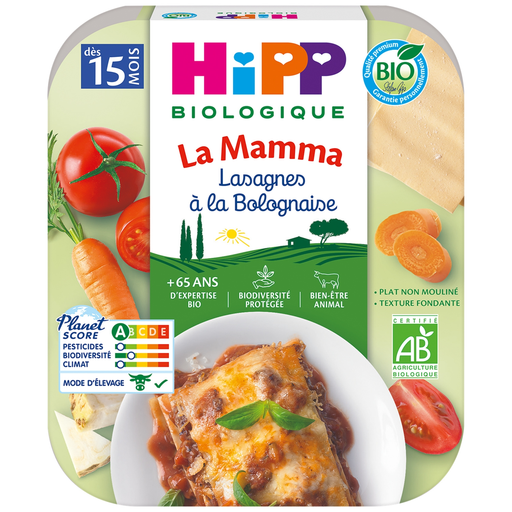 Image unavailable
HiPP Organic La Mamma, lasagne alla bolognese from 15 months, 250 g
A ready-made dish to consider if your child can already manage the texture. Check the size of the pieces and the allergens on the pack.
View on Joybuy
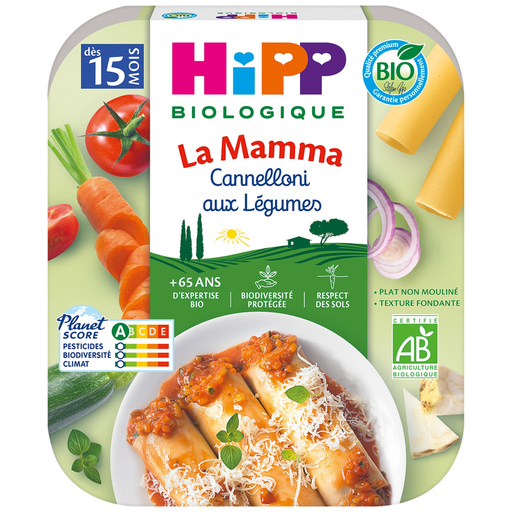 Image unavailable
HiPP Organic La Mamma, vegetable cannelloni from 15 months, 250 g
For a ready-made pasta and vegetable dinner, check that the texture suits your child and read the ingredients for the complete dish.
View on Joybuy
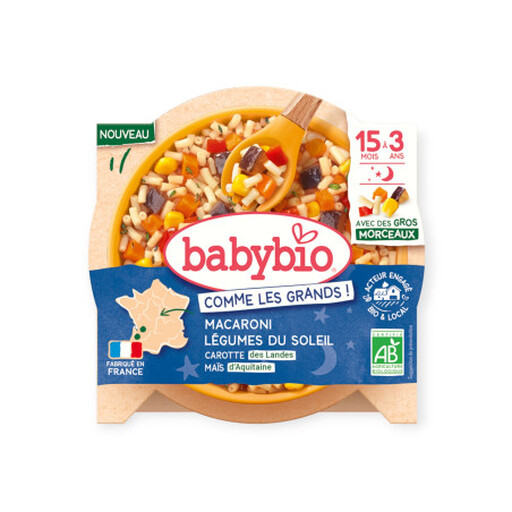 Image unavailable
Baby Bio, mixed vegetable macaroni, 200 g
A macaroni and vegetable recipe to consider if you’re looking for a ready-made dish. Check the age stated on the pack, the texture, and the sugars and salt per 100 g.
View on Joybuy
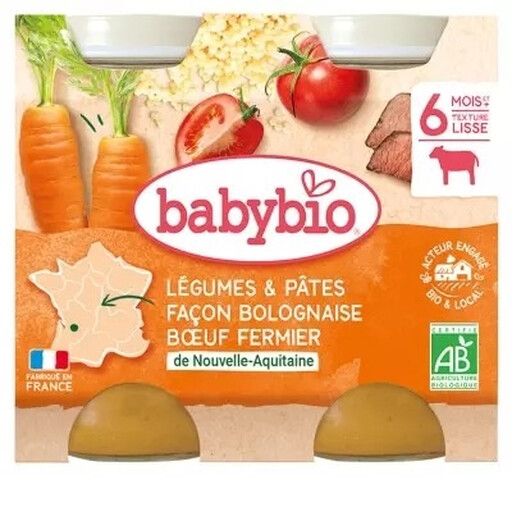 Image unavailable
BABYBIO, vegetable and beef bolognese pasta from 6 months, 2 × 200 g
If you’re looking for a ready-made dish combining pasta, vegetables and beef, check that the texture suits your child and compare the sugars and salt listed on the label.
View on Joybuy
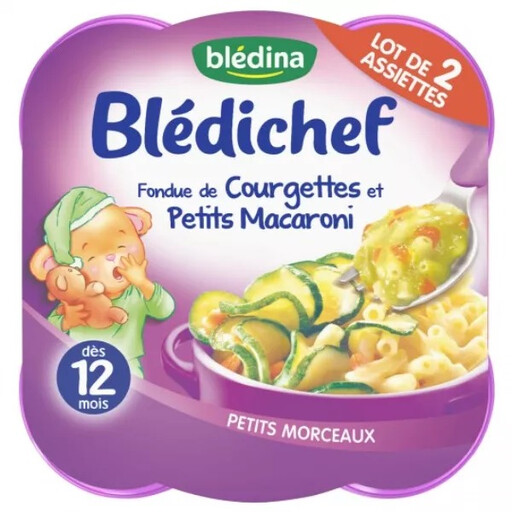 Image unavailable
Blédina Blédichef, courgette and macaroni from 12 months, 2 × 230 g
For a ready-made dish combining small pasta and vegetables, check the texture when serving, as well as the ingredients and the ‘salt’ line on the pack.
View on Joybuy
Frequently asked questions
Should I buy ‘reduced sugar’ pasta for a toddler’s dinner?
No, this claim alone isn’t a suitable basis for choosing dinner. For plain dried pasta, check the sugars, salt and ingredients for the specific product, then plan the other parts of the meal.
How can I tell if my child can eat pasta in pieces?
The size and texture of the pieces should match your child’s chewing ability, rather than being based on the same age for every child. France’s national health insurance service describes a gradual move from puréed textures to small pieces. Adjust the cooking time and cut or mash the pasta if needed.
Is wholemeal pasta suitable for all toddlers?
Not automatically. Public Health France says wholemeal or semi-wholemeal starchy foods should be offered according to how well the child digests them. Also check that they can manage the texture once cooked.
What does the ‘reduced sugar’ claim on a pack tell me?
On its own, it doesn’t tell you about the salt, ingredients or complete meal. To choose between two products, compare the ‘of which sugars’ line on the same per-100 g basis and across similar products, then read the rest of the label.
Does a toddler need protein-enriched pasta?
An enriched range isn’t necessary just because it contains more protein. Panzani explains that the reference intakes stated for Les Protéinées are based on a typical adult. Instead, check the ingredients and allergens in the product you’re considering, in the context of your child’s meal.


