Hosts keeping an eye on salt
If you’re serving pasta alongside cheese, cured meats and condiments, compare the salt value per 100 g. Also check the label on the pack you buy before deciding how to season it.


When choosing pasta to serve with raclette, you don’t need to look only for products labelled ‘reduced salt’. Start by comparing the ‘salt’ value per 100 g on the packs you’re considering. Then choose a shape and cooking time that suit the meal, bearing in mind that, according to Anses, cheese, cured meats, sauces and condiments also contribute to the salt content of your meal.
If you’re serving pasta alongside cheese, cured meats and condiments, compare the salt value per 100 g. Also check the label on the pack you buy before deciding how to season it.
You’d like to serve a wholegrain carbohydrate alongside the other dishes. This alone doesn’t tell you how much salt it contains, so check the two details separately.
You’re choosing a shape that’s easy to serve with your planned accompaniments, and a cooking time that fits the meal. Just make sure these factors don’t take the place of checking the label.
For pasta served with raclette, start by comparing the stated salt content per 100 g. Then choose the shape and ingredients that suit the way you plan to serve the meal.
| Criterion | What to check | Who is this for? |
|---|---|---|
| Salt in the meal | Compare the ‘salt’ value per 100 g on the products you’re considering, and take the planned seasoning into account too. | If cheese and cured meats are already on the menu, I’d rather avoid adding unnecessary salt through the pasta and its sauce. Around 50% of consumers put this concern first. |
| Shape and serving | Choose a shape that suits the planned presentation and check the cooking time shown on the pack. | To serve everyone at the same time, I mainly need a shape and cooking time that fit easily into the meal; this is the priority for around 30% of consumers. |
| Ingredients | If you’re choosing wholemeal or high-protein pasta, check the ingredients, stated fibre or protein content, and salt separately. | If I choose wholemeal pasta or another specific type, I want it to meet my needs without assuming anything about its salt content. This type of ingredient takes priority for around 20% of consumers. |
These terms describe other qualities of the pasta. They don’t tell you the salt content of a specific product, and a Nutri-Score doesn’t replace this information either.
Compare the ‘salt’ value per 100 g, then check the fibre, protein and ingredients against your other criteria.
According to Anses, cheese, cured meats, sauces and condiments are all dietary sources of sodium. Any seasoning added to the pasta is on top of these.
Taste before adding more salt, and serve sauces and condiments separately so everyone can add as much as they like.
A value shown for one product or pack size won’t necessarily apply to the one you’re buying. Auchan notes, in particular, that the ingredients may vary depending on the delivery service and purchase date.
Check the salt value, ingredients and allergens on the exact product you receive.
Ingredients and ‘may contain’ statements vary between products. The pasta details reviewed mention wheat, sometimes eggs, and possible traces of other allergens.
If a guest needs to avoid an ingredient, check the label on the pack you’ll actually be serving before making any substitutions.
A brand or range alone won’t tell you the salt content. Compare the specific packs you’re considering for raclette.
Barilla offers a range of pasta, including classic and wholemeal options.
Panzani offers pasta in a variety of shapes, which can be useful when planning how to serve it with your accompaniments.
Lustucru Sélection fresh egg tagliatelle is a different category from standard dried pasta.
Carrefour’s product information lets you compare specific products, whether or not they carry the Carrefour brand.
Auchan spaghetti is available in the 500 g and 1 kg pack sizes shown by the retailer.
These dried pastas come in a range of shapes to serve with raclette. Compare the salt value and allergen information on each pack, then choose a shape that suits the way you plan to serve the meal.
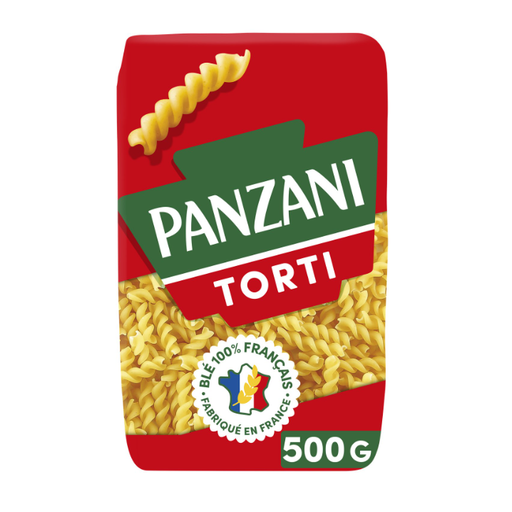 Image unavailable
Torti pasta is worth considering if you’re serving the sauce on the side.
Check the salt value on the pack you receive. Also check the allergen information if a guest has any dietary requirements.
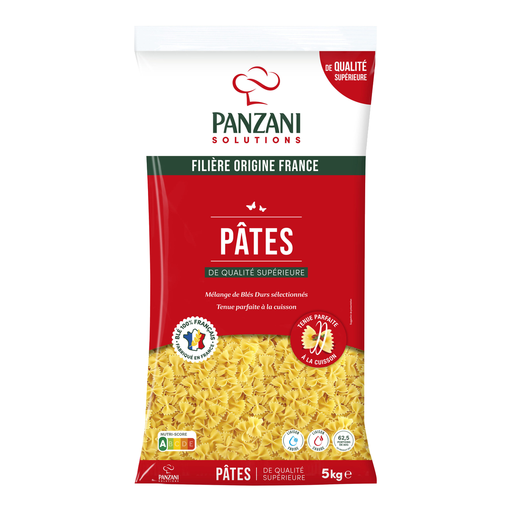 Image unavailable
Farfalle is another pasta shape you could serve as an accompaniment.
Before cooking, check the pack for the salt value, allergen information and cooking instructions.
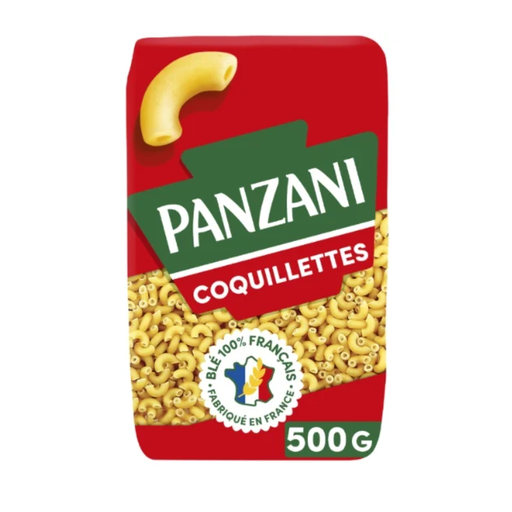 Image unavailable
This pack may suit you if you’re looking for pasta to serve simply alongside the accompaniments.
The name and description don’t identify the shape in the same way, so check the pack if the shape matters for your recipe. Also check the stated salt content.
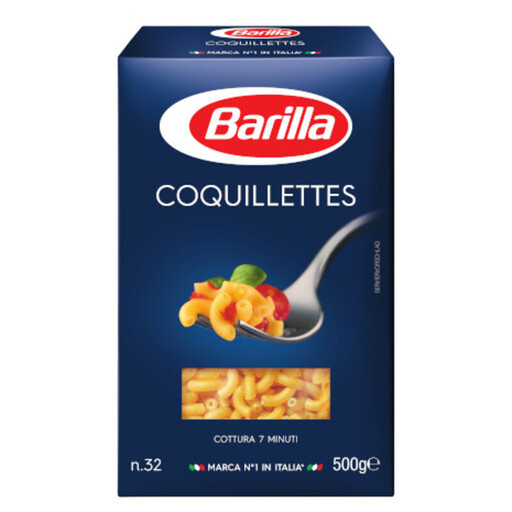 Image unavailable
An option to consider if you’d like to serve the pasta separately from the cheese and other accompaniments.
The title and description don’t agree on the exact shape, so check the pack if that affects your choice, along with the salt value.
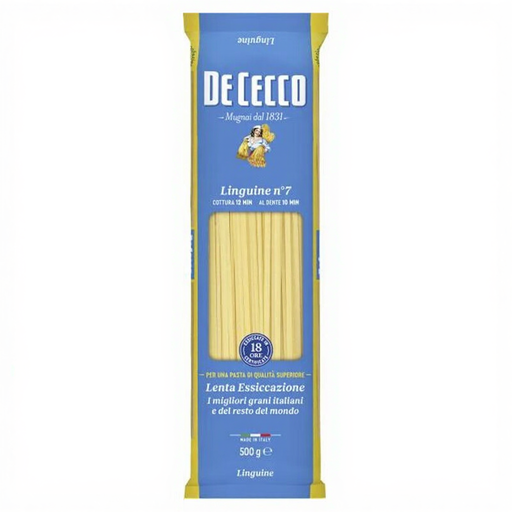 Image unavailable
This long pasta is worth considering if you’d like to serve a sauce with the pasta.
If you’re limiting the added salt in your meal, adjust the seasoning in the cooking water to suit rather than salting it automatically. Check the salt and allergen information on the pack.
No. A low salt value and a ‘reduced salt’ claim don’t mean the same thing. To choose pasta to serve with raclette, compare the salt per 100 g on the packs. If a reduction is claimed, also check the details on the packaging.
It helps you decide how much salt the accompaniment adds to the meal. Anses also lists cured meats, sauces and condiments as dietary sources of sodium. So, pasta with a low salt content won’t, by itself, make the whole raclette meal low in salt.
Compare the ‘salt’ value per 100 g, making sure the figures describe the products in the same state. The French Directorate General for Competition Policy, Consumer Affairs and Fraud Control notes that values per 100 g make comparison easier. Then consider the amount you plan to serve.
No. You can’t infer the salt content from whether pasta is wholemeal. If you choose wholemeal pasta for its ingredients, still compare the ‘salt’ value for each product you’re considering.
Check the ingredients and ‘may contain’ statements on the pack you buy. Wheat-based products and some fresh egg pasta won’t be suitable for the same guests. Depending on the product, the information reviewed also mentions possible traces of soya or mustard. Don’t assume these warnings apply from one product to another.