Anyone keeping an eye on sugar at lunchtime
You want to compare the “of which sugars” figures for pasta and accompaniments, without confusing this value with a reduced-sugar claim.


For lunch at work, don’t choose pasta just because the label shows a low sugar content: that doesn’t mean it is “reduced in sugar”. Compare wholemeal recipes if fibre is your priority, or plant-protein versions if you want to compare protein content. Remember to factor in the sauce, and keep the dish chilled if it contains ingredients that need to be kept cold.
You want to compare the “of which sugars” figures for pasta and accompaniments, without confusing this value with a reduced-sugar claim.
You’re preparing pasta for lunch at work and want to compare the ingredients and fibre content of different wholemeal recipes.
You’re considering pasta with plant protein and want to check its ingredients and allergens for the specific product you choose.
When choosing pasta to take to work, start with what matters most to you at lunchtime, then check the recipe and how to store your prepared meal.
| Criteria | What to check | Who is it for? |
|---|---|---|
| Sugars | Compare the “of which sugars” figure per 100 g for pasta in the same category. Also take the sauce and other parts of your lunch into account. | I want to limit the sugar in my lunch without mistaking a low figure on the label for a proven reduction; around 40% of consumers rank this distinction as their main concern. |
| Fibre and ingredients | Check the proportion of wholemeal flour in the ingredients and compare fibre per 100 g of dried pasta. | For pasta I prepare in advance, I’m mainly looking for a wholemeal recipe with ingredients that suit me; around 30% of consumers make fibre their priority. |
| Protein and transport | Compare the protein content and allergens of the product you choose. If the dish contains ingredients that need to be kept cold, plan how you’ll store it. | For a plant-based lunch to take away, I want to compare the protein content first, without overlooking how to store the dish; around 30% of consumers prioritise this criterion. |
A low figure next to “of which sugars” doesn’t prove that the sugar content has been reduced. Under European Regulation (EC) No 1924/2006, a reduced-sugar claim requires a reduction of at least 30% compared with a similar product.
If this claim is influencing your purchase, check what comparison it is based on. For your whole lunch, also consider the sauce, drink and dessert you’re planning to have.
Not all recipes use the same proportion of wholemeal flour: Auchan’s product listing for Lustucru Collerettes Délices wholemeal pasta states 15%, while the listing for Panzani wholemeal coquillettes states 50%.
Compare the ingredients and fibre per 100 g rather than assuming all wholemeal pasta has the same composition.
A wholemeal recipe or one containing plant protein may have different ingredients and “may contain” warnings from another product in the same brand’s range.
If you need to avoid an ingredient, check the label of the specific product you’re buying, particularly for information about wheat, soya, mustard or eggs.
According to Anses, keeping food at a low temperature slows the growth of micro-organisms. So how you transport it matters when your pasta contains ingredients that need to be kept cold.
Plan how to keep the dish chilled during your journey and before your lunch break, and limit the time it spends at room temperature.
The Protein+ range may appeal if you’re comparing the protein content of different pasta products.
Its wholemeal coquillettes and Les Protéinées range offer two different criteria to compare.
Collerettes Délices wholemeal pasta is a short shape worth considering for meals prepared in advance.
Carrefour Extra wholemeal penne offers another composition to compare for lunch.
Turini Torsettes complètes offers a wholemeal pasta option whose nutritional information you can compare.
Spaghetti intégrale au blé complet is an option to compare if ingredients and fibre are your main priorities.
These two products let you choose between wholemeal farfalle for a meal prepared in advance and plain linguine to serve with whatever suits your lunch. Compare their labels according to what matters most to you.
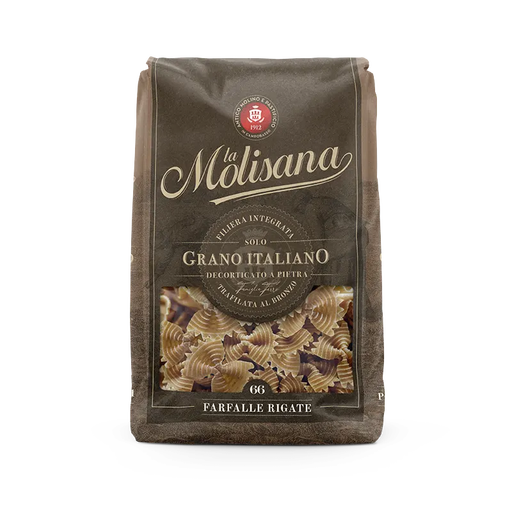 Image unavailable
If you’re preparing pasta to take with you, these Farfalle Integrali are worth considering if you prefer a wholemeal recipe. Check the pack for fibre content, allergens and cooking instructions before planning your meal.
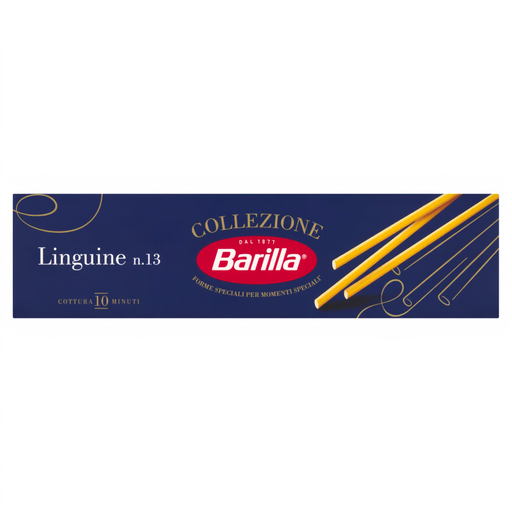 Image unavailable
For a lunch based around plain pasta, compare the “of which sugars” figure for these linguine with similar products, without assuming this means there’s a reduced-sugar claim. Check the pack to plan the cooking before your lunch break and check for allergens.
No, not on that basis alone. Under European Regulation (EC) No 1924/2006, a reduced-sugar claim requires a reduction of at least 30% compared with a similar product; the “of which sugars” figure alone doesn’t prove this comparison.
No. “Wholemeal” describes the recipe, not a proven reduction in sugar. When choosing between two products, compare their ingredients, fibre and “of which sugars” figures per 100 g separately, then take the sauce you’re planning to use into account.
If it contains ingredients that need to be kept cold, keep it chilled during transport and until lunchtime. Anses reminds us that low temperatures slow the growth of micro-organisms; you should also limit the time it spends at room temperature.
Check the ingredients and allergens on the label of the product you buy. The recipes mentioned here contain wheat, and some listings warn of possible traces of soya, mustard or eggs; don’t assume another range from the same brand carries the same warnings.