When choosing pasta for lunch, don’t rely solely on the ‘of which sugars’ line: according to Anses, starch is also a carbohydrate, but it is distinct from sugars. If you’re mainly looking for fibre, compare wholemeal or semi-wholemeal options; if protein is your priority, check the protein content listed for the pasta. In either case, check the nutritional information and ingredients for the specific product rather than assuming it is ‘reduced in sugars’ based on a single figure.
Who are these options for?
People comparing sugar content
You want to understand what ‘of which sugars’ measures before choosing your pasta. Anses distinguishes sugars from starch, while the French National Consumer Institute explains that the sugars line includes both naturally occurring and added sugars.
People prioritising fibre
You’d like your pasta to contribute more fibre to your lunch. Wholemeal or semi-wholemeal pasta is worth considering; compare the nutritional information for the options you’re interested in.
People comparing protein content
You’re looking at how much protein the pasta contributes to your meal, rather than focusing only on its sugar content. Barilla and Panzani’s high-protein ranges include options to compare, but their names alone don’t tell you how much sugar they contain.
What should you look at first?
Start by deciding what matters most to you in pasta for lunch. Then compare the figures per 100 g for products of the same type, taking care not to compare dry pasta with a cooked portion.
| What to compare |
What to check |
Who is it for? |
| Sugars and carbohydrates |
Check ‘carbohydrates’ and ‘of which sugars’ per 100 g. Only rely on a ‘reduced in sugars’ claim if it actually appears on the product. |
If I’m trying to limit the sugar in my lunch, I want to know what the figure on the label covers without confusing it with all carbohydrates; around 37% of consumers would reportedly prioritise this distinction. |
| Fibre |
Look for wholemeal or semi-wholemeal wheat in the ingredients, then compare the fibre content per 100 g. |
If I want my pasta to contribute more fibre to my meal, I’d look at its ingredients first; around 36% of consumers would reportedly make this their priority. |
| Protein |
Compare the protein content per 100 g of dry product, then check the ingredients and allergens. |
If the rest of my lunch is low in protein, I want to know how much the pasta contributes; around 27% of consumers would reportedly make this their top priority. |
Common misconceptions to avoid
-
‘Low in sugars’ means ‘low in carbohydrates’
These are two different figures: according to Anses, starch is a carbohydrate, but it is not a sugar. So checking only the ‘of which sugars’ line won’t tell you the total carbohydrate content of the pasta.
Compare both figures per 100 g, then take the portion you serve and any accompaniments into account.
-
Wholemeal pasta is always ‘reduced in sugars’
Choosing wholemeal or semi-wholemeal pasta is primarily about fibre; it doesn’t prove that the pasta contains less sugar than a comparable product.
If sugar content also matters to you, check the figure for the specific product, regardless of whether it says ‘wholemeal’.
-
High-protein pasta suits every dietary restriction
The high-protein recipes mentioned by Barilla and Panzani include wheat, among other ingredients; ingredients and possible traces vary by product.
If you need to avoid certain ingredients, check the packet’s ingredients list and allergen information.
-
Nutri-Score is all you need to choose
Nutri-Score gives a product a letter and a colour, as explained by Santé publique France. It doesn’t replace checking the sugars, fibre, protein and allergens that matter for your purchase.
Use it as an additional guide when comparing products intended for the same purpose.
Brands to compare
These brands offer products that are useful for comparing different ingredients and nutritional profiles. The details below apply to the products mentioned, not to every pasta made by each brand.
Barilla
The wholemeal and Protein+ ranges offer two distinct points of comparison: fibre and protein.
- Barilla lists 20 g of protein per 100 g for Penne Protein+.
- This figure applies specifically to Penne Protein+. It doesn’t tell you about other Barilla pasta or, on its own, indicate reduced sugar content.
Panzani
The Les Protéinées range and wholemeal Penne let you compare two different ingredient profiles, depending on your priorities.
- Panzani describes Les Protéinées as a recipe made with durum wheat and wheat and pea proteins.
- Being high-protein or wholemeal doesn’t mean a product carries a ‘reduced in sugars’ claim.
Lustucru
Collerettes délices au blé complet 400 g is one example whose nutritional information can be considered separately.
- The Auchan product listing gives this product’s figures per 100 g as 6 g of sugars, 4,7 g of fibre and 13 g of protein.
- These figures don’t apply to all Lustucru products.
Carrefour
Carrefour durum wheat wholemeal pasta is worth considering if you’re looking for a product made with whole grains.
- The Carrefour product listing names whole durum wheat semolina as an ingredient.
- This ingredient list doesn’t mean the product is ‘reduced in sugars’. The listing also warns that it may contain traces of egg and soya.
Auchan
Auchan Penne intégrales give you an example of a product made with wholemeal wheat to consider.
- The Auchan product listing names whole durum wheat semolina as an ingredient.
- It warns that the product may contain traces of egg, soya and mustard; ‘wholemeal’ doesn’t prove reduced sugar content.
E.Leclerc / Marque Repère
The retailer can be a useful point of comparison if you check the Nutri-Score and nutritional information for a specific product.
- E.Leclerc says it makes Nutri-Score available for Marque Repère products on packaging and through its online grocery services.
- When choosing pasta based on its sugar or fibre content, also check the nutritional information and ingredients on the specific packet.
Products to compare
This selection includes wholemeal pasta, buckwheat noodles and a konjac alternative. First choose the type of product that suits your meal, then compare its nutritional information: a sugar figure alone isn’t enough to establish a ‘reduced in sugars’ claim.
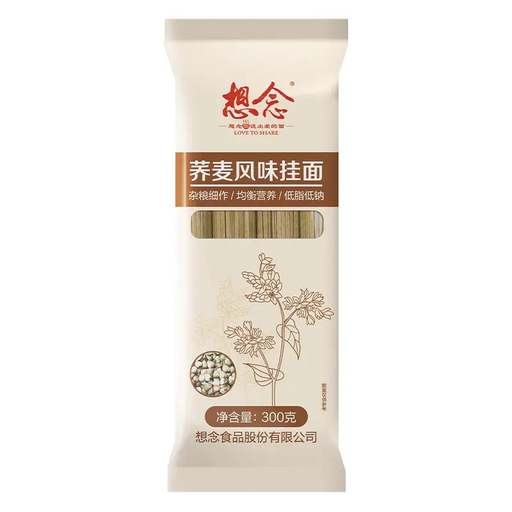 Image unavailable
Xiang Nian buckwheat-flavour noodles, 300 g
A dried noodle option if you’d like to compare the sugars and carbohydrates in your lunch. ‘Buckwheat flavour’ doesn’t mean the product is wheat-free, so check the ingredients and allergen information on the packet.
View on Joybuy
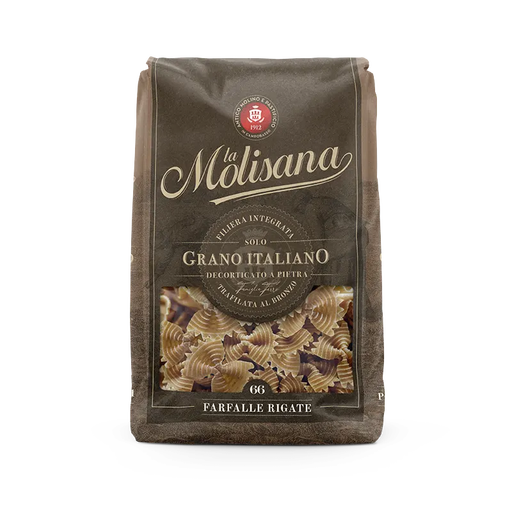 Image unavailable
La Molisana Farfalle Integrali N°066, 500 g
Wholemeal farfalle to consider if fibre is your top priority. Compare the fibre content per 100 g with other wholemeal pasta, and check the ‘of which sugars’ line separately.
View on Joybuy
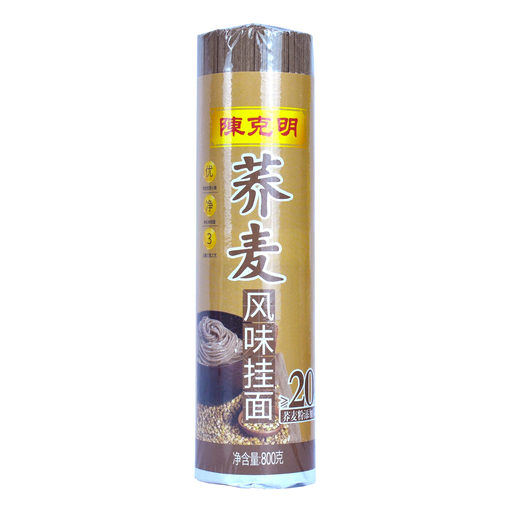 Image unavailable
CKM dried buckwheat noodles, 800 g
A buckwheat option for a noodle-based lunch. Compare ‘carbohydrates’ and ‘of which sugars’ per 100 g: a low sugar figure doesn’t mean the total carbohydrate content is low. Check the ingredients if you need to avoid wheat.
View on Joybuy
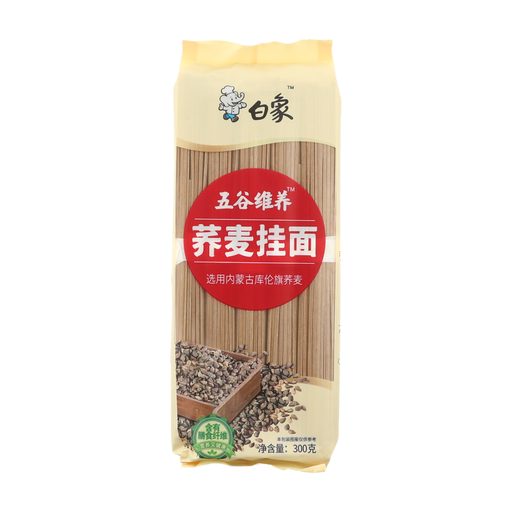 Image unavailable
Bai Xiang buckwheat noodles, 300 g
Worth considering if you’d prefer buckwheat noodles with your meal. Check the sugars, carbohydrates and protein per 100 g together, and look at the ingredients before choosing based on allergens.
View on Joybuy
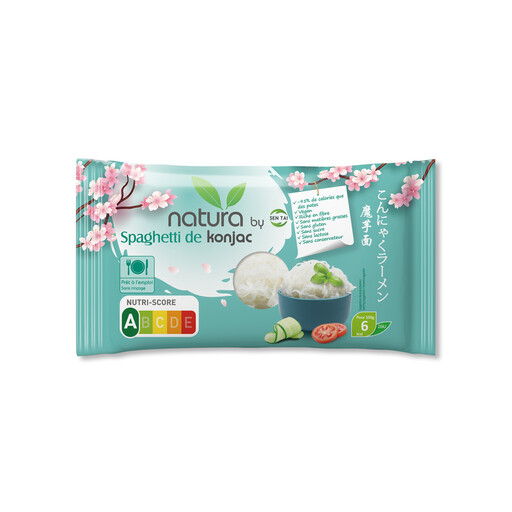 Image unavailable
Natura Konjac konjac spaghetti, 250 g
A spaghetti-style alternative to conventional wheat pasta. Bear this difference in mind when comparing products: the preparation instructions say to rinse and drain the konjac before adding it to your dish.
View on Joybuy
Frequently asked questions
Does the ‘of which sugars’ line include all the carbohydrates in pasta?
No. Anses distinguishes sugars from starch, which is also a carbohydrate. So when comparing pasta, check both ‘carbohydrates’ and ‘of which sugars’ in the nutritional information.
Does a low sugar figure allow a product to be labelled ‘reduced in sugars’?
No, a single figure isn’t enough to support this comparative claim. The DGCCRF notes that nutrition claims are governed by European Regulation (EC) No 1924/2006. If this claim matters to you, check that it appears on the product and look at how it compares with a similar product.
Does wholemeal pasta always contain less sugar?
No. Choosing wholemeal or semi-wholemeal pasta may be of interest if you’re looking for fibre, but it doesn’t establish that its sugar content is lower than that of another recipe. Compare the figures per 100 g for the specific products you’re considering.
How should you store dried pasta after buying it?
Follow the instructions on the packaging. For its wholemeal penne rigate, Auchan specifically advises keeping it away from heat and moisture before opening.


