People keeping an eye on carbohydrates and portion sizes
You want to relate the carbohydrate figures on the label to the amount you actually eat, without assuming that an individual pack matches your portion.


A pasta meal sold as a single serving makes it easier to identify the pack size, but it doesn’t determine how many carbohydrates are right for each person. To choose between an individual meal and dried pasta, compare the recipe and nutritional values per 100 g, then adjust them to the amount you’ll eat. With dried pasta, you’ll also need to measure your portion.
You want to relate the carbohydrate figures on the label to the amount you actually eat, without assuming that an individual pack matches your portion.
You’re considering a ready meal for convenience and want to check the whole dish, including the sauce and toppings, before comparing it with a home-cooked meal.
You compare the fibre, protein and ingredients in dried pasta, while checking the allergens in the specific product you choose.
A ready meal is a complete dish, so you need to check the whole recipe. Dried pasta lets you choose separately what goes with it, but you’ll need to measure the amount you serve. When comparing labels, start with the values per 100 g, then take into account how much you’ll actually eat, as recommended by Assurance Maladie in its advice on shopping with diabetes.
| Criterion | What to check | Who it’s for |
|---|---|---|
| Carbohydrates and portion size | The carbohydrates per 100 g and the weight of the amount you plan to eat. | If I eat a whole ready meal or serve myself dried pasta, I want to know the carbohydrates in that amount, not just the figures per 100 g. Around 50% of consumers would make this their priority. |
| Convenient meal | The net weight of a ready meal and the ingredients list for the whole dish. | For a meal that needs little preparation, I’m looking for a pack that’s easy to take with me, without assuming that “1 serving” is right for my needs. Around 30% of consumers would put convenience first. |
| Ingredients | Fibre, protein and carbohydrates, all on the same per-100 g basis, as well as the ingredients and allergens. | When comparing wholemeal pasta or a recipe with added protein, I want to look at the whole label rather than just one nutrient. Around 20% of consumers would put ingredients at the heart of their choice. |
This describes the pack size, not the amount of carbohydrates that meets an individual’s needs.
Check the net weight and adjust the nutritional values per 100 g to the amount you’ll eat.
With a ready meal, the sauce and toppings are part of the recipe and its nutritional values.
Compare the label for the whole dish with the one for dried pasta, then take into account how much you eat in each case.
This at-a-glance rating doesn’t tell you, on its own, how many carbohydrates are in the amount you eat or what the ingredients are.
Also read the nutritional information, net weight and ingredients for the specific product.
Wheat pasta contains gluten, while a filling or sauce may include other ingredients you need to consider.
Check the allergens shown on the packaging for each product, especially for filled pasta and ready meals with sauce.
The range includes wholemeal dried pasta to cook at home, with nutritional information you can compare against other products.
The Les Protéinées range is aimed at people who want to compare the protein content of dried pasta.
The brand’s range includes Penne Bio Complètes dried pasta. Individual Lustucru ready meals are also part of the selection featured by Auchan.
These products show two different formats to consider when shopping: instant noodles packaged in individual portions to prepare, and a pack of wholemeal dried pasta. Instant noodles aren’t ready-to-eat pasta meals. In all three cases, the pack size is no substitute for reading the label and choosing how much to eat.
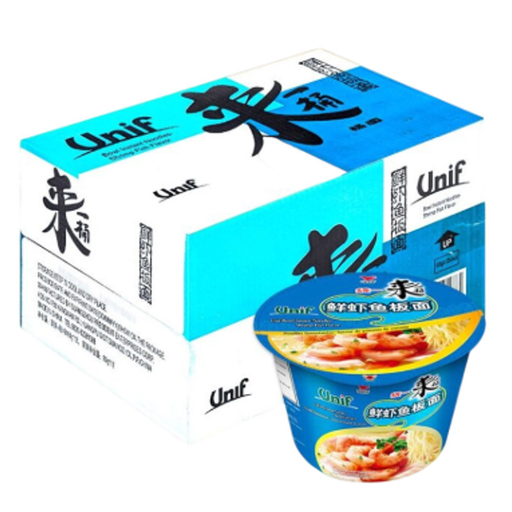 Image unavailable
Instant noodle bowls to prepare, for anyone looking for individually portioned servings. The pack contains 12 bowls of 108 g. Before deciding how much to eat, check the packaging for the nutritional values for a prepared bowl and for allergen information.
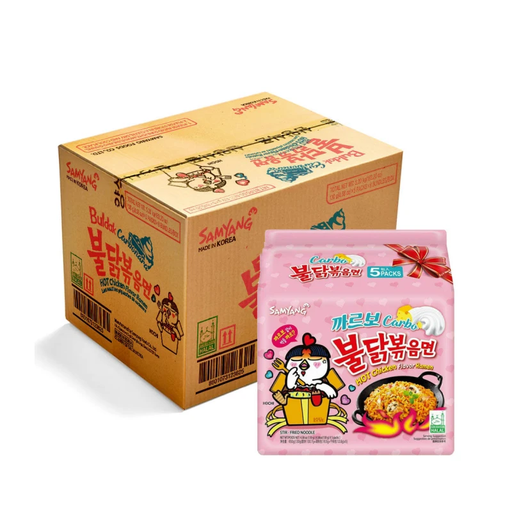 Image unavailable
Instant noodle sachets to prepare if you’re looking for individual portions in a multipack. The pack contains 40 sachets of 140 g. Check the ingredients, allergens and nutritional values for the amount you’ll prepare and eat.
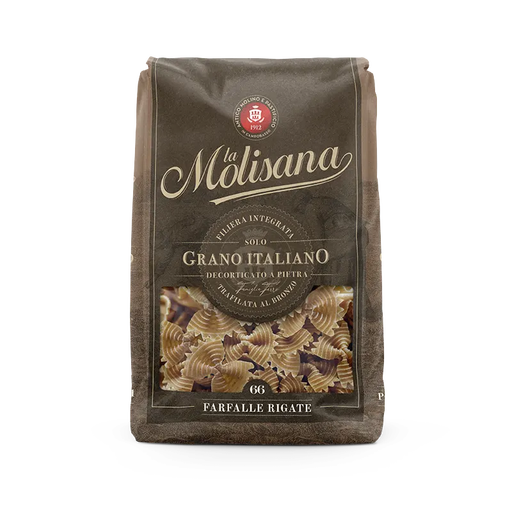 Image unavailable
Wholemeal dried pasta to cook at home and build your own meal. The 500 g pack isn’t divided into individual portions, so measure the amount you serve and check the allergens on the packaging.
No. “1 serving” describes the product format; it doesn’t determine the amount of carbohydrates that’s right for an individual. Check the nutritional values and the weight of the dish, then adjust them to the amount you’ll eat.
First compare the values per 100 g, particularly carbohydrates, fibre, fat and salt. Then take into account the amount you eat. For a ready meal, read the ingredients list for the whole dish too.
No. Fibre content is one factor to compare, but it isn’t enough on its own to help you choose a portion or meal. For example, Barilla lists 6,5 g of fibre per 100 g of its dry Spaghetti Integrale. Check the carbohydrates too, as well as how much you plan to serve.
Check the allergens listed in the ingredients for the exact product. Wheat pasta contains gluten, while other ingredients and labelling precautions vary depending on the recipe and how it’s made.