People keeping an eye on the fat content of their meals
You’re looking for dried pasta whose label you can compare, while staying in control of how much oil, cream or cheese you add to your plate.


To keep the fat content of a pasta dish down, compare the nutritional information for dried pasta per 100 g, then look separately at the sauce and toppings. If fibre matters to you too, a wholemeal option may suit your needs, but check its fat content on the product’s own label.
You’re looking for dried pasta whose label you can compare, while staying in control of how much oil, cream or cheese you add to your plate.
You want to choose wholemeal pasta without assuming it contains less fat. For its wholewheat spaghetti, Barilla lists 6,5 g of fibre and 2,5 g of fat per 100 g.
You choose a shape to suit your recipe and keep an eye on the seasoning. Panzani, for example, describes its long pasta as suitable for light sauces; the shape alone doesn’t tell you the nutritional values of the finished dish.
Start by checking the ‘fat’ line per 100 g of dried pasta, then choose a shape and quantity to suit your meals. Check fibre and ingredients separately, rather than assuming you can tell what’s in the pasta from its shape alone.
| Criterion | What to check | Who is it for? |
|---|---|---|
| Fat content of the meal | The fat content per 100 g of dried pasta, followed by the ingredients and quantities of sauce and toppings. | I want to keep track of the fat in my meal, not just the pasta before it’s cooked; around 36 % of consumers put this need first. |
| Quantity to buy | The pack weight and the amount of pasta you plan to cook. | If I’m making just a few portions, I prefer a pack size that suits my meals; around 29 % of consumers put this choice first. |
| Fibre | Fibre and fat per 100 g, as well as the main ingredient. | I’d like wholemeal pasta for its fibre, without making assumptions about its fat content; around 21 % of consumers prioritise this criterion. |
| Preparation | The cooking time shown and a shape suited to the recipe you have in mind. | When I’m cooking in a hurry, I want to pair pasta with a dish I can season to my taste; around 14 % of consumers prioritise this convenience. |
The nutritional values for dried pasta don’t tell you about the finished dish. Oil, cream, cheese and other toppings all affect its nutritional content.
Compare pasta per 100 g of dry product, then choose and measure out the accompaniment separately.
Barilla lists 2,5 g of fat per 100 g for its wholewheat spaghetti, while E.Leclerc lists 1,2 g for its Eco+ spaghetti. These figures relate to two specific products, not all wholemeal and standard pasta.
If you’re looking for fibre, compare the figures on the label, then check the ‘fat’ line separately.
Auchan states that the ingredients in its spaghetti may vary depending on the online grocery service and purchase date. This is particularly important if you’re keeping an eye on certain ingredients or allergens.
Before cooking, check the ingredients, allergens and nutritional information on the pack you receive.
An option to look at if you’re after wholewheat spaghetti.
A range of shapes to choose from, depending on what you’re making.
Standard spaghetti with a label you can use to check its fat content.
A standard spaghetti option to compare by checking its label.
Standard spaghetti sold in a 1 kg bag.
This dried pasta selection includes standard shapes and a wholemeal option. Choose a pack size to suit your needs, then check the label of the product you choose for its fat content and allergens.
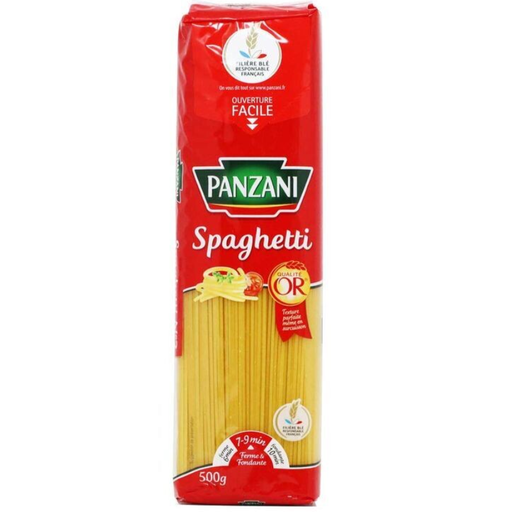 Image unavailable
Worth considering if you’re making spaghetti with an accompaniment whose ingredients and quantities you can choose.
500 g pack. Check the nutritional information and allergens on the pack you buy.
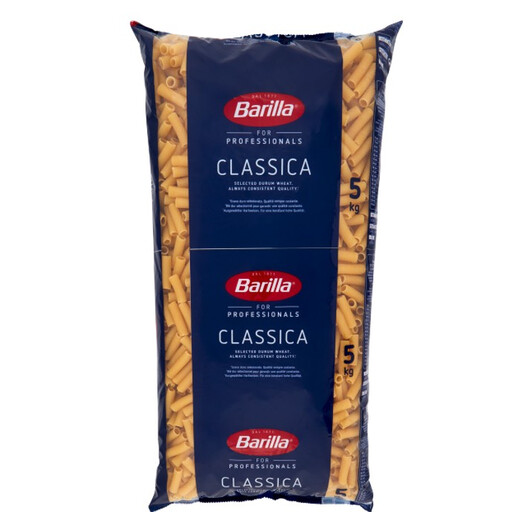 Image unavailable
This large pack is suitable if you expect to use tortiglioni regularly.
5 kg pack: make sure this quantity suits your needs before choosing this size.
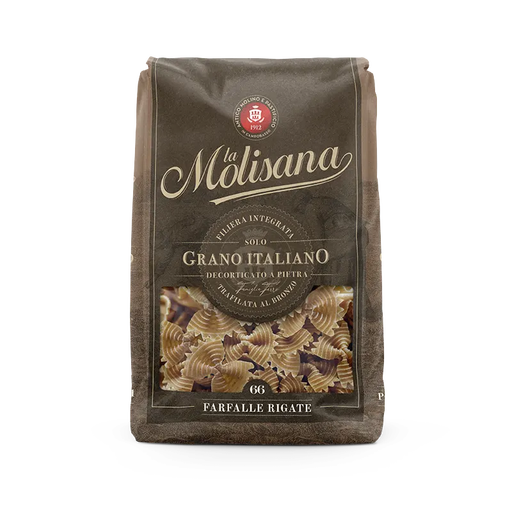 Image unavailable
These wholemeal farfalle are worth considering if you want to compare fibre as well as fat content.
500 g pack. Being wholemeal doesn’t mean you can skip checking the nutritional information for this product.
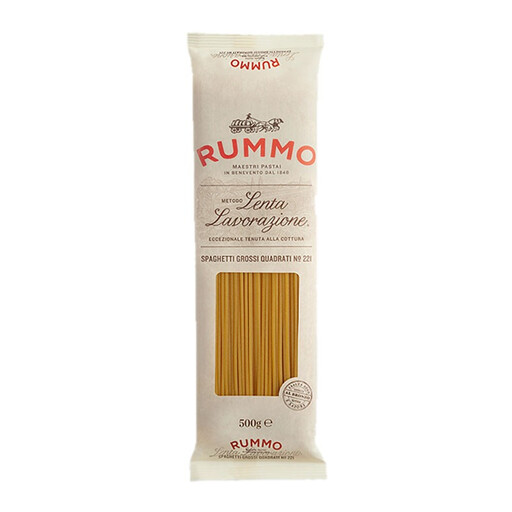 Image unavailable
Pair this spaghetti with an accompaniment of your choice; if you’re keeping an eye on the fat content of your meal, assess it separately.
500 g pack. Check the nutritional information and allergens on the packaging.
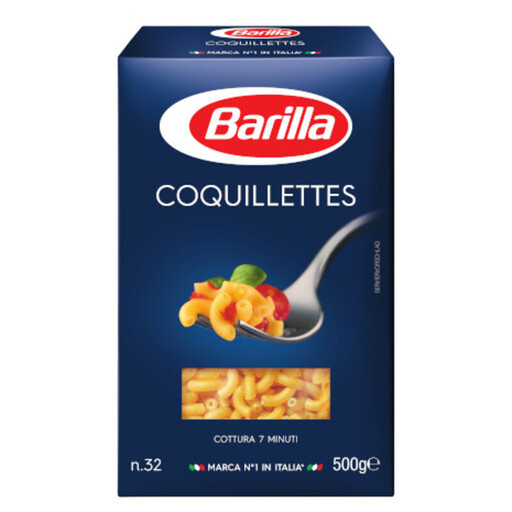 Image unavailable
This coquillettes pasta is ideal for recipes where you can choose and measure out the toppings.
500 g pack. If you add butter or cheese, include these ingredients when assessing the finished dish.
No: it describes the pasta, not the sauce or added toppings. Compare the nutritional information per 100 g of dry product, then look at the ingredients and quantities used in the dish.
No, ‘wholemeal’ doesn’t guarantee a lower fat content. Barilla lists 2,5 g of fat per 100 g for its wholewheat spaghetti, compared with 1,2 g for the Eco+ spaghetti listed by E.Leclerc; compare each product using its own label.
Check the packaging for the product and batch you received, including the ingredients list and any ‘may contain’ warnings. Auchan notes that the ingredients information for its spaghetti may vary depending on the online grocery service and purchase date.
No. The DGCCRF points out that only authorised nutrition claims may be used; when choosing pasta, also check the nutritional information and ingredients list for the specific product.