Teams planning menus with controlled salt levels
Choosing the pasta is just one step: the cooking water, sauce and toppings also contribute to the dish that is served.


For meals in care homes, plain pasta with a checked salt content can provide a suitable base. Don’t rely on a ‘reduced salt’ claim alone: cooking and accompaniments also affect the salt content of the dish. Your choice should also take account of each resident’s texture requirements and allergens, as well as the nutritional goals agreed with the care team.
Choosing the pasta is just one step: the cooking water, sauce and toppings also contribute to the dish that is served.
Reducing salt should still allow for a meal that residents will actually eat and that meets their individual nutritional needs. The French National Authority for Health highlights the importance of identifying malnutrition in people aged 70 and over.
The pasta shape and its texture after cooking should be suitable for each resident. Ingredients should also be checked before replacing a plain semolina recipe with an egg pasta recipe.
Start by checking the salt content of the product you’re buying and the full recipe. Then make sure your choice meets residents’ nutritional needs and the planned texture requirements.
| What to consider | What to check before buying | Consumers concerned |
|---|---|---|
| Salt in the dish served | Compare the ‘salt’ value per 100 g of product as sold, then consider the planned cooking method and accompaniments. | If I need to limit the salt in a meal, choosing low-salt pasta isn’t enough if the sauce or cooking method adds more; around 36% of consumers make controlling salt a priority. |
| Nutritional value of the meal | Check the nutritional information for the product and ask the relevant professionals to approve the meal’s composition for the residents concerned. | When a resident is at risk of malnutrition, I want to preserve the nutritional value of the dish and make sure they eat it; almost 29% of consumers prioritise this. |
| Individual suitability | Read the ingredients and allergen information; check that the texture after cooking is suitable for the prescribed texture. | A recipe should be suitable for the resident’s allergen and texture requirements; around 21% of consumers put this compatibility first. |
| Preparation and supply | Check the pack size, cooking instructions and availability from your chosen supplier. | When planning meals, I need a pack size that the kitchen can prepare and buy regularly; almost 14% of consumers prioritise this practical aspect. |
The salt content shown on the packet doesn’t reflect the whole meal once the pasta has been cooked and served with accompaniments.
Compare the pasta’s ‘salt’ value, then check the cooking water, sauce, stock and toppings separately.
A protein value tells you nothing about the salt content of that product or whether it meets an individual resident’s needs.
Check the ingredients and nutritional information for the exact product. If you’re considering nutritional fortification, ask the relevant professionals to approve how it fits into the meal.
France’s Agency for Food, Environmental and Occupational Health & Safety (ANSES) warns that potassium chloride-based salt substitutes may pose risks for some people, particularly older people and those with certain health conditions.
Don’t use one for a resident without individual medical or dietetic advice.
Recipes and allergens differ: Auchan’s product information for Lustucru egg spaghetti lists 13.5% egg, while the information for Lustucru French Spaghetti lists durum wheat semolina as its only ingredient.
Check the label whenever the recipe or product changes, and don’t assume another product’s salt value applies.
Recipes can vary within the same brand, so check the ingredients and ‘salt’ value for the specific product and pack size you’re considering.
Worth checking to distinguish plain semolina pasta from egg pasta.
Worth comparing when the meal’s protein content is part of your choice of pasta.
Compare classic, wholemeal, gluten-free and Protein+ products according to the meal you’re planning.
Worth considering, particularly for small pasta shapes in different pack sizes.
Worth considering when comparing different pasta shapes for different recipes.
Worth considering for different Auchan pasta shapes, particularly short pasta.
These products offer options for an unseasoned base or short pasta for meals in care homes. Before choosing a recipe, compare the ‘salt’ value on the packaging and check the texture after cooking for the residents concerned.
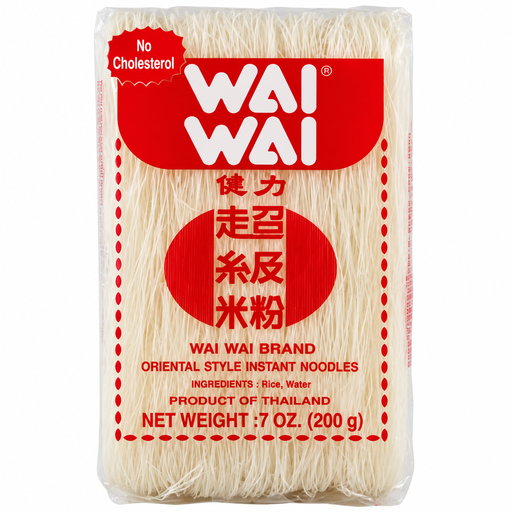 Image unavailable
Rice vermicelli to consider as a base for an unseasoned dish. Before serving to a resident, check the salt content of the whole dish and the texture after cooking.
 Image unavailable
Vermicelli to consider for a dish where you can control the seasoning separately. Check the allergen information on the batch, along with the texture after cooking and the salt content of the whole meal.
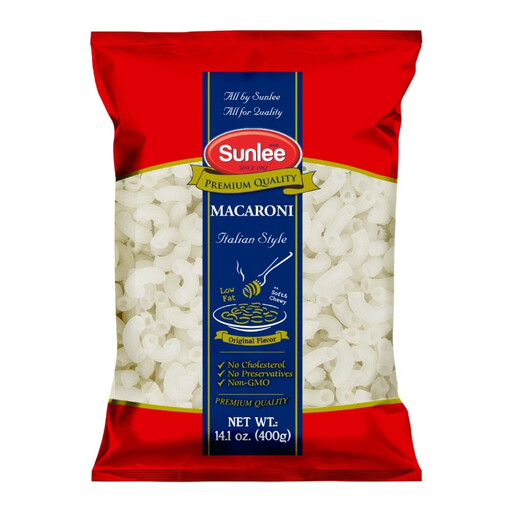 Image unavailable
A short pasta shape to consider when the shape of the pasta matters for the meal. To compare its salt content with other products, check the ‘salt’ value on the packaging; also check the texture when served.
No: you need to consider the whole recipe. Auchan’s product information for Lustucru French Spaghetti lists 0,02 g of salt per 100 g of pasta, but the cooking water, sauce and toppings all affect the dish as served.
Not without individual medical or dietetic advice. France’s Agency for Food, Environmental and Occupational Health & Safety (ANSES) warns of possible risks from potassium chloride-based substitutes for some people, particularly older people and those with cardiovascular or kidney conditions.
No: its place in the meal depends on nutritional needs, suitable texture and what the resident actually eats. For people at risk of malnutrition, the choice should form part of the individual care plan described by the French National Authority for Health.
No: compare the ‘salt’ value per 100 g for the products you’re considering, then take the recipe as served into account. France’s Directorate-General for Competition Policy, Consumer Affairs and Fraud Control (DGCCRF) says that the use of nutrition claims is regulated. A marketing claim is no substitute for checking the nutritional information or the resident’s needs.