Teams serving individual meals occasionally
A pre-portioned pouch can reduce preparation at serving time. However, convenience alone does not tell you whether the recipe is suitable for the resident’s planned meal.


For the occasional individual meal, Panzani Express 200 g pouches offer a pre-portioned option. Panzani says they are ready in 1 min 30 in the microwave, although they are not tins. If meals are prepared on site, quick-cook dried pasta lets the kitchen adjust the cooking, portion and accompaniments, but it needs to be prepared before serving. Neither format removes the need to check the prescribed texture, allergens and how the pasta fits into the resident’s meal.
A pre-portioned pouch can reduce preparation at serving time. However, convenience alone does not tell you whether the recipe is suitable for the resident’s planned meal.
Dried pasta gives the kitchen control over the cooking, portion size, sauce and accompaniments. However, it needs to be prepared, unlike a product that is ready to heat.
Check the texture being served and the meal’s composition for each resident concerned. The French National Authority for Health identifies dental and oral problems and swallowing difficulties, among other issues, as considerations for older people.
Consider this: for an occasional individual meal, if the recipe and serving texture are suitable for the resident.
Bear in mind: the portion is pre-packed, but 200 g on its own does not make a suitable meal. For the Express products mentioned here, Panzani says they take 1 min 30 to heat in the microwave.
Consider this: when the kitchen can prepare the pasta and put together portions as part of the care home’s menu.
Bear in mind: it is not ready to serve, and the stated cooking time does not guarantee a texture that meets the resident’s needs.
For teams choosing pasta for care home meals, the resident’s needs determine what to check before comparing packaging and preparation times.
| Consideration | What to check | Who it’s for |
|---|---|---|
| Texture and eating | Confirm the texture actually being served and whether it is suitable for the resident’s needs. The pasta’s shape and cooking time alone are not enough to judge this. | If a resident has difficulty chewing or swallowing, I need to start with the texture that suits them, not the size of the pasta. Around 42% of consumers would put this compatibility first among their concerns. |
| Portion size and serving speed | Compare the portion weight with the recipe’s reheating instructions. A 200 g pouch is not, by itself, a complete meal. | For an occasional meal, I look for a pre-packed portion that the team can heat without cooking pasta separately. This convenience would be the priority for around 33% of consumers. |
| Meal composition and allergens | Read the ingredients and allergens for the product you’re buying, then consider how it fits into the menu and planned portions. | If I’m planning meals for the care home, I want to be able to check the ingredients and include the pasta alongside the other menu items. For around 25% of consumers, this would be the main priority. |
A pouch’s weight and convenience do not determine the texture a resident needs or the composition of their meal. The GEM-RCN recommendations for older people in residential care cover areas including menu structure and portion sizes.
Consider the recipe as part of the complete meal with the professionals responsible. Don’t assume that 200 g in a pouch is a suitable portion for everyone.
Small pasta such as coquillettes or stelline, or pasta advertised as ready in a few minutes, does not by itself tell you what texture it will have on the plate. The French National Authority for Health highlights chewing and swallowing difficulties as important considerations for older people.
Have the finished dish checked against the resident’s needs and the care home’s protocol.
Ingredients vary between dried pasta, ready-to-heat recipes and filled pasta. For example, the Joybuy product information for Panzani Les 3 Minutes coquillettes lists durum wheat semolina and identifies wheat as an allergen.
Check the ingredients and allergens on the label of each product actually purchased, then pass on relevant information to the team responsible for serving it.
Panzani Express is designed for portions of pasta that are packed ready to heat. Panzani offers butter-flavoured coquillettes and tomato fusilli in 200 g pouches.
Barilla describes its 500 g Stelline as small pasta shapes, particularly suited to soups and broths prepared in the kitchen.
Lustucru Sélection offers filled pasta in recipes intended to serve two. This is a different type of product from dried pasta and individual pouches.
This selection covers quick-cook dried pasta for kitchens preparing meals on site, not individual portions that are ready to heat.
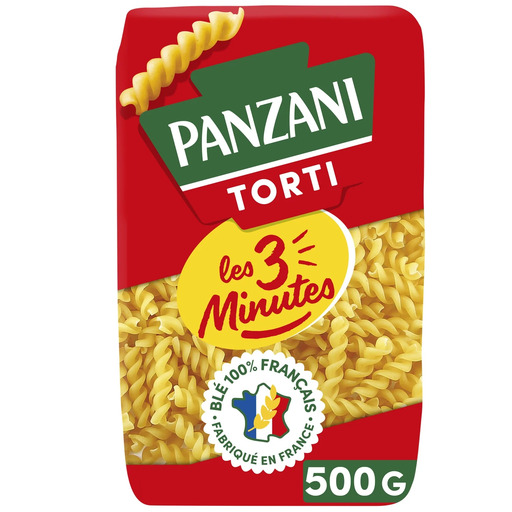 Image unavailable
For kitchens preparing portions on site: a 500 g packet of dried pasta with a stated cooking time of 3 minutes. It needs to be cooked before serving. Check the texture once cooked and the allergens listed on the packaging of the product delivered.
Its weight alone is not enough to determine whether it makes a suitable meal. Panzani Express pouches state a 200 g portion, but you also need to consider the menu structure, the other food being served and the resident’s individual needs.
The reheating time does not tell you whether the texture is suitable for a resident with swallowing difficulties. Have the finished dish checked against their needs and the care home’s protocol. The French National Authority for Health identifies these difficulties as an issue to consider for older people.
Check the allergens listed on the label of the recipe being served. Joybuy’s product information for Panzani Les 3 Minutes coquillettes lists durum wheat semolina and identifies wheat as an allergen. A ready-to-heat or filled pasta recipe may have different ingredients.
Follow the storage and preparation instructions on the packaging for each product. Dried pasta must be cooked before serving, while Panzani says the Express pouches mentioned here take 1 min 30 to heat in the microwave. Always follow the instructions for the recipe you’ve bought.