Anyone stocking up on dried pasta
You want to keep some pasta for a savoury meal before or after your crêpes. The shape, pack size and cooking time should suit the dishes you usually make.


For a savoury meal separate from your crêpes, choose dried pasta to suit your priorities: a classic shape for everyday dishes, a quick-cooking option if time is short, or a wholemeal version if you’re comparing the fibre figures on the label. Pasta doesn’t replace the flour used to make crêpe batter, so also check the allergens, date and storage instructions on the packet you choose. Even a fresh product that’s quick to prepare won’t meet the same need as a cupboard staple.
You want to keep some pasta for a savoury meal before or after your crêpes. The shape, pack size and cooking time should suit the dishes you usually make.
You’d like to spend less time preparing the savoury dish. Check the cooking time for the exact product: a brand may offer both classic pasta and a quick-cooking range.
You’re comparing the nutritional values of classic and wholemeal versions, or need to check for wheat and allergen cross-contamination warnings. The label on the packet you choose is what matters.
When stocking up for a pasta meal, first distinguish dried products from fresh ones. Then compare the information on the packet according to what matters most for your meal.
| Criteria | What to check | Who it matters to |
|---|---|---|
| Storage | Whether the product is dried or fresh, plus the date and storage instructions on the packet. | I want to keep pasta in the cupboard for a savoury meal later, rather than buy a fresh product to eat soon. Around 40 % of consumers prioritise having dried pasta in stock. |
| Ingredients and allergens | Ingredients, whether it contains wheat and any cross-contamination warnings for the product you’re considering. | If I need to avoid an ingredient, I check the exact packet before deciding whether this pasta is suitable for me. This comes first for around 30 % of consumers. |
| Cooking time | The time shown for the exact shape and range, rather than for the brand as a whole. | After making crêpes, I’d prefer a savoury dish that takes little time to cook. Speed is the top priority for around 20 % of consumers. |
| Fibre | Whether it’s a wholemeal version and the fibre listed per 100 g in the nutritional information. | For my pasta meals, I want to compare the fibre content of wholemeal options. Around 10 % of consumers put this criterion first. |
A quick-to-prepare product won’t necessarily keep in the same way as dried pasta. A fresh product’s use-by date and storage conditions may mean you need to plan differently.
To stock up, make sure the pasta is dried, then check the date and storage instructions on the packaging.
The pasta here is for a separate meal. The French Ministry of Agriculture describes Candlemas crêpes as being made with wheat flour.
Plan separately for the crêpe ingredients and the pasta for a savoury dish.
Information varies by product: Panzani has a range called “Les 3 Minutes”, while its classic Coudes rayés specify a 9-minute cooking time. Allergen information also depends on the product.
Check the cooking time, ingredients and allergen warnings on the exact packet you’re buying.
These examples highlight differences between individual products, not qualities shared by every product from a brand. When choosing, check the information for the specific shape and packet you’re interested in.
The range includes classic and wholemeal pasta, including Penne Rigate.
Its ranges let you compare classic shapes with options marketed as quick-cooking.
Lustucru Sélection includes gnocchi for frying, for a meal that’s quick to prepare.
The selection mentioned includes classic spaghetti and fusilli labelled “quick-cooking”.
The Marque Repère range lists several pasta shapes, including products under the Turini name.
The brand lets you compare classic and wholemeal spaghetti in 500 g packs.
These products let you choose between wholemeal pasta, a quick-cooking option, rice pasta and a classic shape. If you’re stocking up for the cupboard, check the date and storage instructions on the packet delivered to you; none of these pasta products replaces the flour used for crêpes.
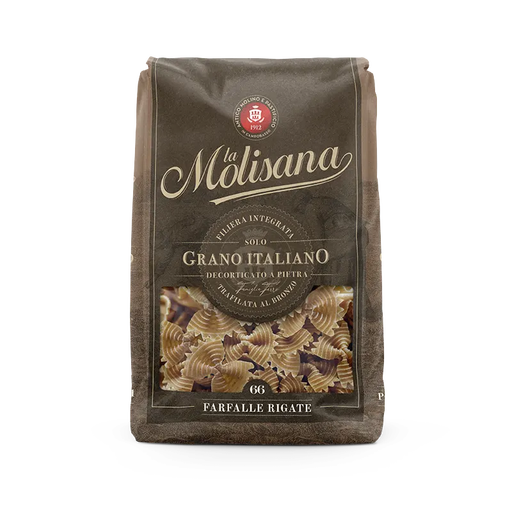 Image unavailable
For a pasta meal separate from your crêpes, if you’d like to choose a wholemeal option. 500 g pack; check the ingredients, allergens and date on the packaging.
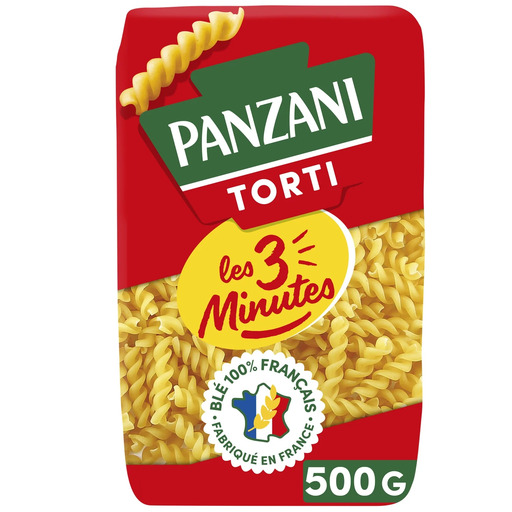 Image unavailable
For a savoury dish when cooking time is your priority. This variant is labelled “3-Minute Cook” and comes in a 500 g pack; follow the instructions and allergen information on the packet you receive.
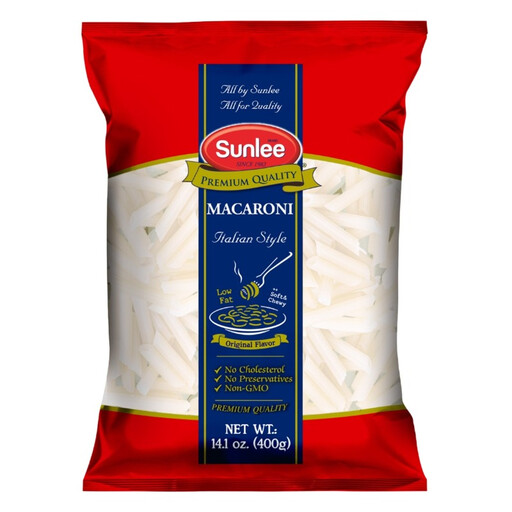 Image unavailable
A rice macaroni option to consider if you’re looking for a different composition from classic wheat pasta. The pack is 400 g; if you need to avoid an allergen, check the ingredients and information on the product you receive.
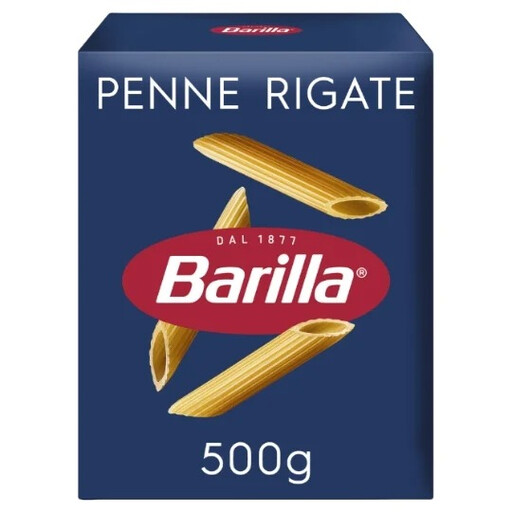 Image unavailable
Classic penne for a pasta meal separate from your crêpes. Barilla lists durum wheat semolina and water as the ingredients for this 500 g product; check the date and storage instructions on the packet.
No : the pasta here is for a separate meal. The French Ministry of Agriculture describes Candlemas crêpes as being made with wheat flour.
Follow the instructions on the packet, especially those relating to heat and moisture. Auchan lists these precautions for the spaghetti mentioned; check the instructions for your specific product after opening.
The French consumer and fraud authority, the DGCCRF, reminds shoppers that a use-by date (DLC) must not be exceeded. A past best-before date (DDM) doesn’t mean the same thing: check the packaging and follow the storage instructions before using the product.
Read the ingredients list and allergen information for the exact product. Carrefour Classic’ spaghetti lists wheat and may contain traces of eggs, soya and mustard; don’t assume the same information applies to every pasta product from a brand.