For budget-conscious shopping, compare the pack size and the ‘salt’ figures for plain dried pasta rather than relying on the ‘reduced salt’ claim alone. To cut down on salt in your meal, Manger Bouger advises not adding too much salt to the cooking water. Also check sauces and toppings, which the Anses lists among sources of salt. Wholewheat pasta is a good choice if fibre is your priority, while fresh pasta needs to be stored differently.
Who are these choices for?
Shoppers keeping an eye on salt
If you prepare your pasta and sauce yourself, check the salt listed for each product, as well as how much you add during cooking. Manger Bouger recommends not adding too much salt to the water. The Anses also lists sauces, condiments, cheese and cured meats among sources of salt.
Households comparing pack sizes
When shopping on a budget, the net weight and the amount your household can store and use matter more than how big the pack looks.
Shoppers interested in fibre or fresh pasta
Wholewheat pasta may suit you if you’re looking to increase your fibre intake: check its nutritional information per 100 g. If you prefer fresh pasta, check the ingredients and storage instructions too, as these differ from those for dried pasta.
What should you look for?
Start by considering the salt in the whole dish and choosing a pack size you’ll use. Then compare fibre content or the storage requirements of fresh pasta, depending on what matters most to you.
| Criterion | What to check | Who is it for? |
|---|
| Salt in the meal |
The ‘salt’ figures per 100 g for the pasta and sauce, and any salt added during cooking. |
If I’m preparing the meal myself, I want to be able to control the seasoning without forgetting about the sauce. Around 40% of consumers would make managing the total salt content their top priority. |
| Pack size |
The net weight, storage instructions and how much you’ll use. |
I’m interested in a large pack if I have somewhere dry to store it and can use it all. The amount they can actually use would be the priority for around 30% of consumers. |
| Fibre |
The fibre content per 100 g and whether wholewheat semolina is listed in the ingredients. |
I want to choose wholewheat pasta for its fibre content, while keeping its taste and texture in mind. Around 20% of consumers would put this criterion first. |
| Fresh pasta |
Storage instructions, the use-by date, ingredients and the salt content of the product you choose. |
If convenience is my main reason for choosing fresh pasta, I’m happy to store it in the fridge. This would be the priority for around 10% of consumers. |
Mistakes to avoid
-
Relying on the ‘reduced salt’ claim alone
The salt in the pasta is only part of the total in your meal. The Anses lists sauces, condiments, cheese and cured meats among sources of salt.
Compare the ‘salt’ figures per 100 g for the pasta and what you serve with it. When cooking, Manger Bouger advises not adding too much salt to the water and suggests using herbs and spices to add flavour.
-
Treating fresh pasta like dried pasta from the cupboard
The fresh tagliatelle from Lustucru Sélection contains wheat and eggs and needs to be kept chilled.
Before choosing a fresh pasta product, check its ingredients, allergens, date and the storage instructions on the pack.
Brands to know when comparing products
Barilla
Barilla offers a range of classic and wholewheat dried pasta. Its Linguine Integrale provides a specific point of comparison for nutritional information.
- According to the Barilla France product page, Linguine Integrale contains 8 g of fibre and 0.013 g of salt per 100 g.
- These figures apply to Linguine Integrale, not all Barilla pasta.
Panzani
The Complètement Bon! range includes wholewheat pasta to consider if fibre content is important to you.
- Panzani says this range contains 50% more fibre than its classic pasta; this is the comparison made by the brand.
- Check the nutritional information for the specific product. Panzani’s claims about French wheat apply to products bearing the relevant logo.
Lustucru Sélection
This range includes fresh tagliatelle, which differs from dried pasta in its ingredients and storage requirements.
- The product page for the 600 g fresh tagliatelle lists durum wheat, fresh eggs and 0.05 g of salt per 100 g.
- Check the ingredients and storage instructions for each fresh pasta product.
Carrefour
The retailer’s range includes classic and wholewheat dried pasta, making it useful for comparing ingredient lists.
- Carrefour lists durum wheat semolina for its Classic’ spaghetti and whole durum wheat semolina for its Carrefour Extra penne.
- These ingredients apply to these two products and don’t describe all of the retailer’s pasta.
E.Leclerc / Eco+
The 1 kg bag of Eco+ spaghetti is an example of a large pack of dried pasta.
- The E.Leclerc product page lists 0.0 g of salt per 100 g for this product.
- This figure doesn’t automatically apply to other Eco+ or E.Leclerc products; check the label on each one.
Pasta to consider on Joybuy
These products let you compare plain dried pasta, a large pack and wholewheat pasta. Choose based on how much you’ll use, then check the salt content and ingredients on each pack.
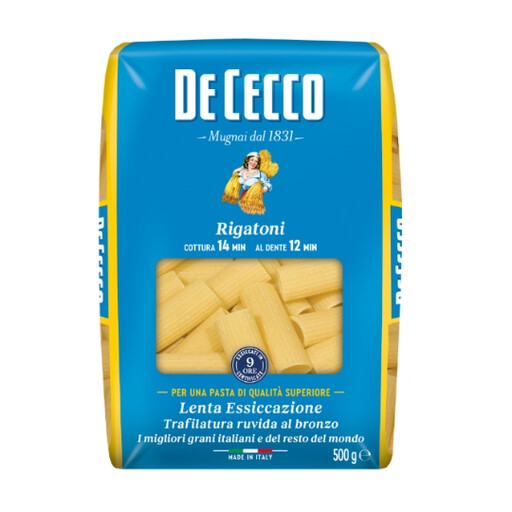 Image unavailable
De Cecco Rigatoni No. 24, 500 g
This pack is a good choice if you’d like to prepare a sauce and season it yourself. Compare the ‘salt’ figures and ingredients on the pack with those of the other products you’re considering.
View on Joybuy
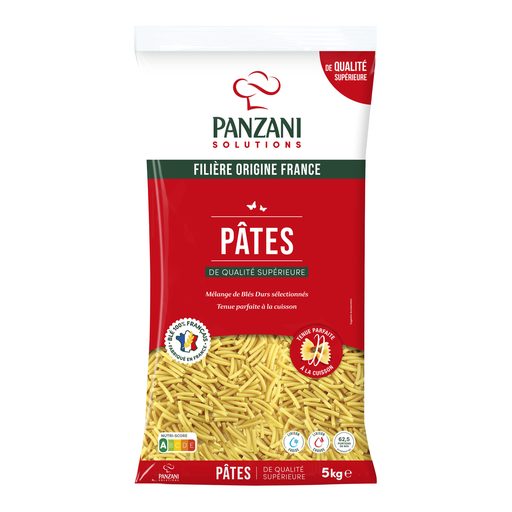 Image unavailable
Panzani Macaroni, 5 kg
The 5 kg pack is best suited to you if you have somewhere dry to store it and can use the whole amount. Check the ingredients and storage instructions on the pack.
View on Joybuy
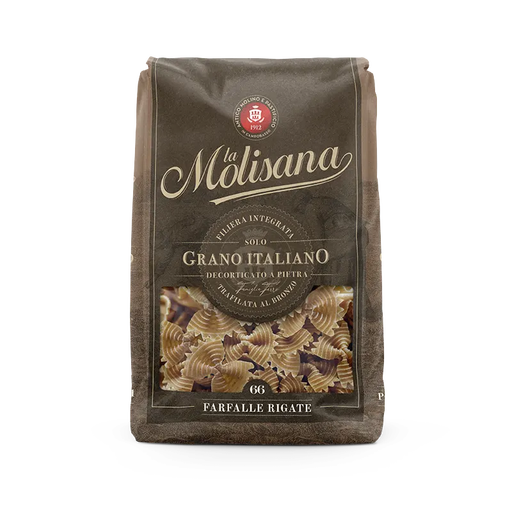 Image unavailable
La Molisana Farfalle Integrali N°066, 500 g
This wholewheat product is a good option for shoppers comparing the fibre content of dried pasta. Check the fibre and salt figures per 100 g on the pack, along with the ingredients.
View on Joybuy
Frequently asked questions
Is plain dried pasta the only thing to check if I want to reduce the salt in my meal?
No. Salt added during cooking and the salt in accompaniments count too. The Anses lists sauces, condiments, cheese and cured meats among sources of salt, so compare the labels on the pasta and sauce, then be mindful of how much salt you add to the cooking water.
How can I season pasta while adding less salt to the water?
Manger Bouger advises not adding too much salt to the cooking water and suggests using herbs and spices to add flavour. Taste the sauce before adding salt, and take any toppings you’re using into account.
What should I look for when a pack says ‘reduced salt’?
Compare the ‘salt’ figure per 100 g with that of a similar pasta product: the claim alone doesn’t tell you how much salt will be in the finished dish. Nutrition claims on foods are regulated in the European Union under Regulation (EC) No 1924/2006. Also consider the sauce and seasoning you’ll use.
Which allergens should I check in dried or fresh pasta?
Check the ingredients and allergens for the product you’re buying, as recipes vary. Pasta made with durum wheat semolina contains wheat; the Lustucru Sélection fresh tagliatelle product page also lists fresh eggs.


