
Livraison le jour même ou le lendemain

Qualité garantie

Débloquez vos offres de bienvenue: Livraison GRATUITE | Jusqu'à -80 % | 30 jours d'essai gratuits à JoyPlus
Téléchargez l'application
Whether it's a comforting dish of Italian spaghetti or a steaming bowl of Asian ramen, pasta and noodles are a staple in our kitchens. Yet, with ever-expanding supermarket aisles, it's easy to get lost. Between packaging that promises "?ancient tradition?" and the endless variety of shapes, how do you make the right choice for your recipes and your budget? As a product expert at Joybuy, my mission is to help you navigate the options.
Shopping for groceries, whether online or in-store, can quickly become a headache. Here are the most common mistakes that often lead to disappointment on the plate.
To stop choosing at random, focus on a few technical details that make all the difference.
Extrusion is the step that gives pasta its shape. There are two main methods:
The base ingredient directly influences the taste, cooking performance, and nutritional profile.
Far from being a mere visual whim, each shape has a specific function. Long, thin shapes like spaghetti and linguine pair beautifully with light sauces (olive oil, seafood). Penne rigate (ridged) and farfalle are perfect for capturing thicker sauces and small pieces of vegetables. As for udon, which are thick and chewy, they are specially designed to soak up the flavours of broths.
Here are a few products that tick all the boxes, selected according to the criteria we've just detailed.
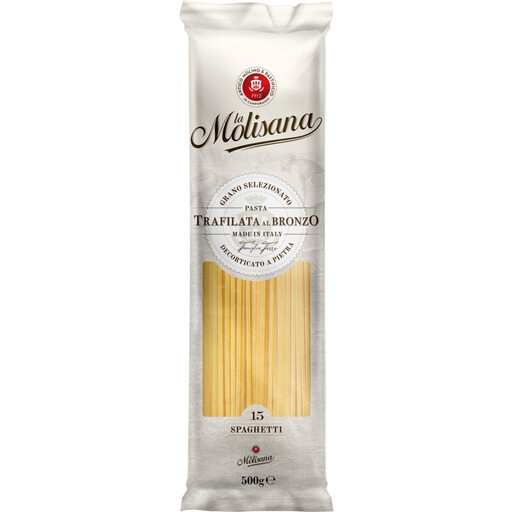
Why we love it: Ideal for _pasta_ purists seeking the authenticity of Italian pasta. Its rough texture is perfect for coating any sauce, from the simplest (garlic, oil, chilli) to the richest.
Bronze-die extrusion guarantees a porous surface that grips the sauce, unlike smooth industrial pastas.
The combination of high-quality durum wheat and pure spring water ensures a remarkable al dente bite and an authentic taste.
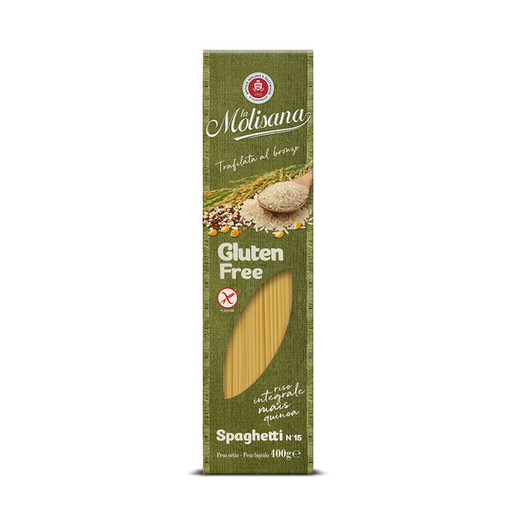
Why we love it: Designed for those with coeliac disease or gluten sensitivity who refuse to sacrifice texture. These spaghetti offer an impressively realistic bite and flavour.
The blend of brown rice, corn, and quinoa creates a solid structure that prevents the pasta from disintegrating during cooking—a common flaw in entry-level gluten-free pastas.
The bronze-die extrusion, a rare process for gluten-free products, provides a rough surface that holds sauces beautifully, even the lightest ones.
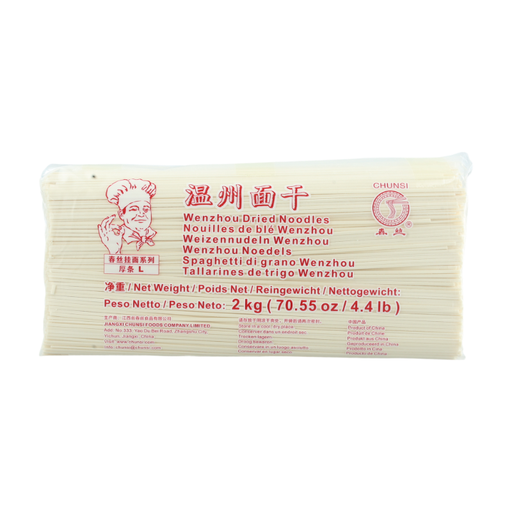
Why we love it: An economical and ultra-versatile bulk pack for families and lovers of Chinese noodles. It's the quality staple you should always have in your pantry.
Unlike many entry-level noodles, these maintain a supple texture and don't stick together, whether served in a soup or a stir-fry.
The large 2 kg pack offers unbeatable value for money without compromising on quality, meal after meal.
Explore our full selection of products that meet our strictest quality standards.
The difference is primarily about texture. Bronze-die cut pasta has a microporous, almost rough-to-the-touch surface. The result: when cooked, this texture allows any sauce, even the thinnest, to cling to it. Conversely, pasta made with a Teflon die is smoother and tends to let the sauce slide off. For a rich, creamy sauce, bronze-die extrusion is a real game-changer.
The secret lies in three simple steps. First, use a large volume of boiling water. Second, as soon as you add them to the water, stir them gently to separate them. Finally, for cold dishes or stir-fries, the trick is to briefly rinse them under cold water immediately after draining. This stops the cooking process and removes excess starch, which is the main cause of stickiness.
Yes, thankfully! The days of bland, crumbly gluten-free pasta are long gone. Manufacturers like La Molisana have developed flour blends (brown rice, corn, quinoa, buckwheat) that perfectly mimic the texture and taste of wheat pasta. The secret? Choose products that combine several grains or legumes to achieve a more complex flavour profile and a better hold.