Anyone comparing fibre content
You’re looking for wholemeal or semi-wholemeal pasta and checking the nutritional information per 100 g, without expecting the packet alone to determine the make-up of your meal.


When choosing pasta as part of shopping for someone with diabetes, compare the ingredients, carbohydrates and fibre per 100 g, then consider the serving size and the rest of the meal. Wholemeal or semi-wholemeal varieties may suit you if you’re looking for more fibre or a different texture; regular pasta shouldn’t be judged by its name alone. Assurance Maladie advises that food quantities should be tailored to each individual.
You’re looking for wholemeal or semi-wholemeal pasta and checking the nutritional information per 100 g, without expecting the packet alone to determine the make-up of your meal.
You’d like to try a recipe containing wholemeal semolina while taking familiar flavours and textures into account. Check the exact ingredients for each product.
Start by choosing a recipe with a texture you enjoy, then compare the nutritional information on the same per-100 g basis. When it comes to serving size, follow your personal guidance rather than relying on any amount suggested by the packet.
Worth considering: if you’re looking for a recipe made with wholemeal semolina and enjoy its texture.
Bear in mind: the name of the recipe doesn’t determine either the serving size or the carbohydrates in your meal.
Worth considering: if you’d prefer to make a gradual switch to a recipe containing wholemeal semolina.
Bear in mind: the proportion of wholemeal semolina and the fibre content vary from one product to another.
Worth considering: if its flavour or texture better suits the meals you usually eat.
Bear in mind: if fibre is your main priority, compare its content with that of other varieties.
| Criterion | What to check | Who might find this useful? |
|---|---|---|
| Fibre | The type of semolina listed in the ingredients and the fibre per 100 g. | If I’m looking for a recipe with more wholemeal semolina, I want to be able to tell it apart from pasta simply labelled “whole wheat”; around 42% of consumers would put fibre first. |
| Flavour and texture | The proportion of wholemeal semolina, if stated, and the ingredients in the recipe. | Switching straight to wholemeal pasta may not suit my preferences; around 33% of consumers would make this their top priority. |
| Carbohydrates and serving size | Carbohydrates per 100 g and the amount actually served, in line with personal guidance. | I want to consider pasta as part of my whole meal, rather than work out my portion from the packet alone; around 25% of consumers would put carbohydrates and serving size first. |
Wholemeal pasta still contains carbohydrates. Assurance Maladie advises that the quantity and composition of a meal should be considered in light of each person’s circumstances.
Compare the carbohydrates per 100 g, then take account of the amount served and any guidance that applies to you.
The product information for Lustucru Collerettes Délices published by Auchan states that it contains 15% wholemeal semolina. So the name alone doesn’t tell you the exact ingredients in every recipe.
Read the ingredients list and check the fibre per 100 g before comparing two packets.
Pasta made with wholemeal durum wheat semolina contains wheat. Other allergen information depends on the product.
If you need to avoid an ingredient, check the information on the specific packet you’re buying.
Barilla France lists Spaghetti Integrale made with wholemeal durum wheat semolina, as well as a separate Protein+ range.
According to Panzani, its “Complètement Bon !” range combines wholemeal and regular semolina.
The product information for Collerettes Délices au blé complet published by Auchan lists durum wheat semolina and 15% wholemeal semolina.
The product information for Carrefour Extra Whole Wheat Penne lists wholemeal durum wheat semolina.
Auchan sells its own-brand Spaghetti au blé complet, made with wholemeal durum wheat semolina.
These dried pasta products let you compare two varieties described as wholemeal with a regular option. To decide between them, check the nutritional information on each packet and consider how much you plan to serve as part of your meal.
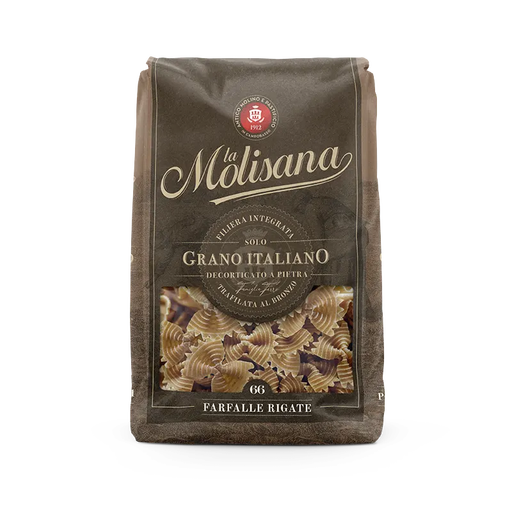 Image unavailable
Worth considering if you’d like Farfalle Integrali for your meals; the packet contains 500 g. Compare the ingredients and nutritional information on the packaging with those of the other varieties you’re considering.
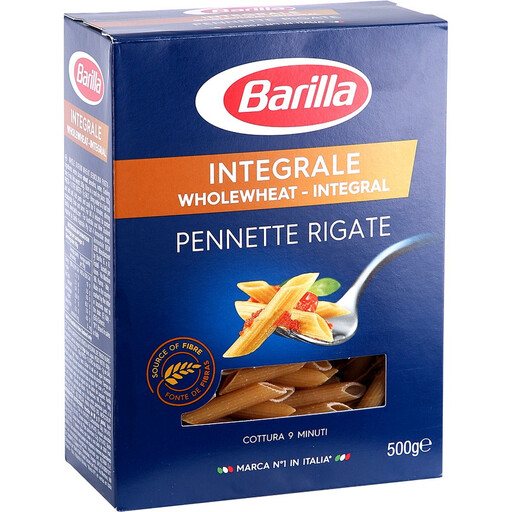 Image unavailable
Worth comparing if you’re looking for whole wheat pennette; this Tub variant contains 500 g. To compare it with other pasta, check its ingredients, carbohydrates and fibre per 100 g.
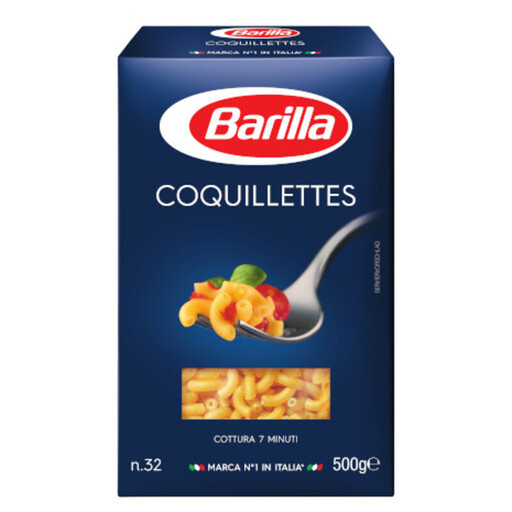 Image unavailable
Worth considering if you prefer regular coquillettes; the packet contains 500 g. Compare the carbohydrates and fibre per 100 g with those of wholemeal varieties before you choose.
No. For the general diet of adults with diabetes, Assurance Maladie recommends a balanced diet rather than a list of forbidden foods. Pasta does contain carbohydrates, though, and the right amount depends on your personal circumstances and the rest of your meal.
Compare the ingredients, carbohydrates and fibre on the same per-100 g basis, then distinguish these figures from the amount you’ll serve. As Assurance Maladie points out, information per 100 g makes it easier to compare products.
It may suit your taste or texture preferences, but its ingredients may differ from pasta made entirely with wholemeal semolina. Check the proportion listed in the ingredients and compare the fibre per 100 g for each product.