Households avoiding gluten
If you need to avoid gluten, look for a ‘gluten-free’ label on the product you’re choosing and check its ingredients. The name of a product range is no substitute for reading the pack you’re buying.


Start by choosing pasta according to the allergen you need to avoid. A ‘gluten-free’ label addresses a need to avoid gluten, but doesn’t tell you about other ingredients or possible traces. When stocking up, check the exact product, its allergen information, best-before date and storage instructions rather than relying on the brand or pasta shape alone.
If you need to avoid gluten, look for a ‘gluten-free’ label on the product you’re choosing and check its ingredients. The name of a product range is no substitute for reading the pack you’re buying.
Eggs, soya or mustard may also affect your choice. Read the ingredients and precautionary warnings, even when the pasta is labelled ‘gluten-free’.
When keeping pasta in the cupboard, choose a product that suits your household’s needs, then check its best-before date and the storage instructions on the pack.
First, identify the allergens you need to avoid, then check the specific pack before deciding whether it’s right for your store cupboard.
| What to consider | What to check | Who this matters to |
|---|---|---|
| Avoiding gluten | Look for a ‘gluten-free’ label on the exact product and read its ingredients list. Don’t mistake dried wheat pasta for gluten-free pasta. | If gluten needs to be avoided in my household, I want to be able to identify a suitable product without relying on its shape alone. Around 42% of consumers would prioritise this need. |
| Checking for other allergens and traces | Check which allergens are highlighted in the ingredients and look for any precautionary warnings about the allergen you need to avoid. | When several allergens matter to my household, a ‘gluten-free’ label isn’t enough to decide what to buy. Checking for other allergens would be a priority for around 33% of consumers. |
| Building a useful stockpile | Check the best-before date, the condition of the pack and its storage instructions. Also choose a shape that suits the meals you have planned. | To keep pasta in stock, I need a pack I can identify easily and storage instructions that are simple to follow. Around 25% of consumers would put this need first. |
The label refers to gluten; it doesn’t mean the product is free from eggs, soya, mustard or traces of other allergens. For example, Lustucru Spaghetti courts has separate information about gluten, eggs, mustard and soya.
Check the label you’re looking for, the ingredients and the pack’s warnings for all allergens that matter to your household.
A brand may offer wheat pasta, egg pasta and gluten-free products. So the allergen profile of one product doesn’t automatically apply to other products in the range.
Keep a note of the name and details of the product that suits you, then read the label again if the recipe, shape or packaging changes.
Once a pack has been put away, it can be hard to find the allergen information or best-before date again.
Keep packs easy to identify, follow their storage instructions and keep those with the nearest dates within easy reach.
These ranges offer a useful starting point for comparing recipes. You should still check the ingredients and allergen information for each individual product.
Barilla France describes its Gluten Free range as made with white maize, yellow maize and rice.
Panzani offers a variety of classic pasta shapes for dishes such as pasta with sauce, salads and soups.
Lustucru offers dried pasta and egg pasta recipes. Its Spaghetti courts product information recommends storing the pasta in a cool, dry place.
Carrefour offers a range of gluten-free pasta. Its spaghetti product information lists a recipe made with maize and rice flour.
E.Leclerc offers several pasta shapes in this range, all labelled ‘gluten-free’.
Auchan offers gluten-free pasta from several brands. Its product information for Rummo spaghetti lists a recipe made with rice, maize and potato starch.
This selection includes pasta with ‘gluten-free’ in the product name, rice vermicelli and konjac spaghetti. Their shapes and ingredients make them suitable for different uses. If you have an allergy, check the information on the pack you choose.
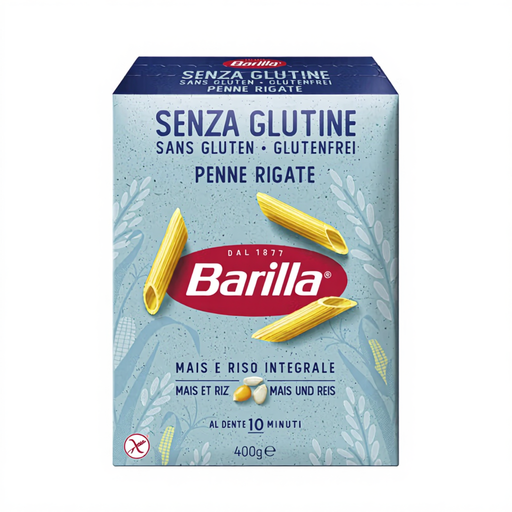 Image unavailable
Penne rigate to consider if you’re looking for this pasta shape with a ‘gluten-free’ label. Check the pack for other allergens, possible traces and the best-before date.
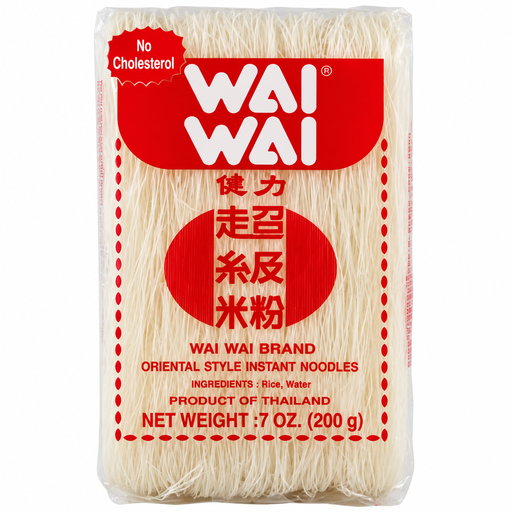 Image unavailable
Rice vermicelli to consider if this shape suits the dishes you have planned, instead of traditional pasta. Check the packaging for information on gluten and other allergens, as well as the best-before date.
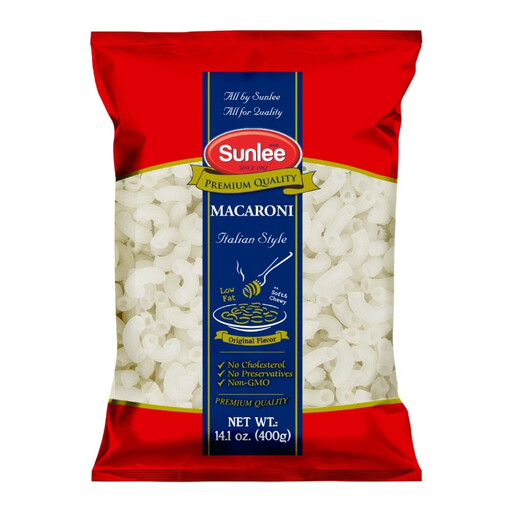 Image unavailable
A short pasta shape to consider for recipes where you’d use macaroni. If you need to avoid gluten or another allergen, check the relevant label, ingredients and pack warnings before adding it to your stockpile.
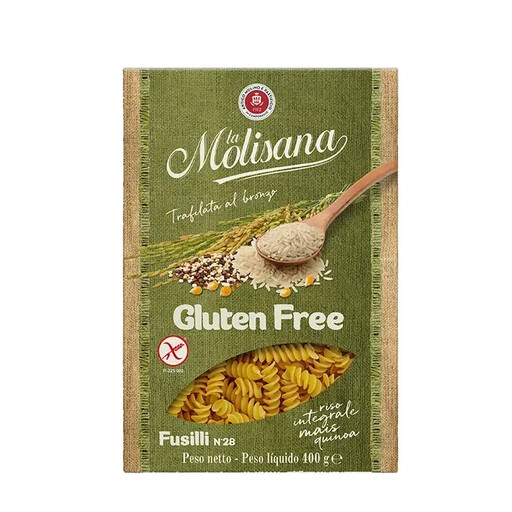 Image unavailable
Fusilli to consider if you’re looking for this shape and need to avoid gluten. A ‘gluten-free’ label doesn’t tell you about other allergens, so check the ingredients, warnings and date on the pack.
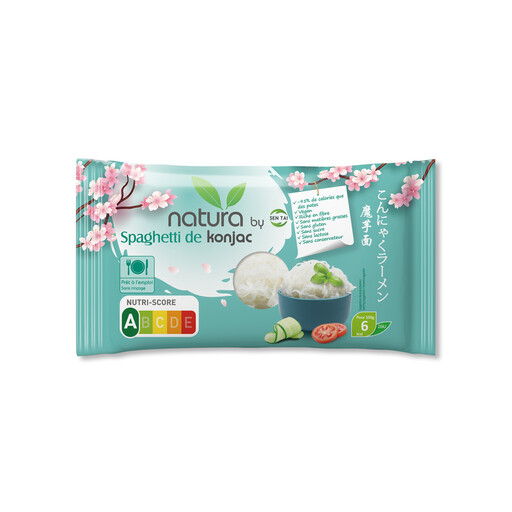 Image unavailable
A spaghetti-shaped alternative for adding variety to your store cupboard, but different from classic dried pasta. If you need to avoid gluten, look for an explicit label on the packaging. Also check for other allergens, storage instructions and the date.
No. It refers to gluten, not all allergens. You should also read the ingredients and any precautionary warnings on the product you’re buying.
This warning indicates that the named allergen may be present accidentally, even if it isn’t used as an ingredient. In a note about peanuts, Afssa (now Anses) points out that this kind of presence may pose a risk to people with the relevant allergy. Follow the guidance appropriate to your household’s allergy.
Start with the ingredients list: DGCCRF states that allergenic ingredients must be highlighted there. Then check any precautionary warnings, and inspect the pack you receive if you viewed the product information online.
Follow the storage instructions on the pack and keep the best-before date and allergen information easy to read. For example, Lustucru Spaghetti courts product information says to store it in a cool, dry place. Check the instructions for every other product individually.