
Livraison le jour même ou le lendemain

Qualité garantie

Débloquez vos offres de bienvenue: Livraison GRATUITE | Jusqu'à -80 % | 30 jours d'essai gratuits à JoyPlus
Téléchargez l'application
A passion fruit drink can come as a juice, nectar, flavoured drink, mango and passion fruit recipe or fizzy drink. With colourful packaging and promises of freshness, comparing the products available in France is not always as straightforward as it seems.
A few pitfalls come up time and again:
To make an informed purchase, start by looking at the ingredients, packaging and the type of drinking experience you are after, rather than focusing solely on the marketing.
The ingredients list is the first thing to check. A passion fruit nectar may combine juice or purée with water and sugar. A fruit drink, on the other hand, may contain a more variable proportion of juice and rely more heavily on flavourings.
Among the products available, the Don Simon Passion Fruit Nectar PET Bottle 1.5L states that it contains 15% passion fruit juice from concentrate and 5% mango juice. The Maaza Passion Fruit Juice Drink 1L, meanwhile, lists 17% passion fruit juice from concentrate. These figures provide a practical basis for comparing the recipes.
If the drink is intended for regular consumption, also check the quantity of sugars per 100 ml. The differences can be significant: Don Simon Mango-Passion contains 3.2 g of sugars per 100 ml, while several traditional nectars and drinks contain between 11 and 13 g.
Most drinks need to be refrigerated after opening. Some product descriptions recommend consuming them within 24 hours, while others specify 2 to 4 days. Always refer to the label on the product you receive, as instructions may vary depending on the packaging.
Passion fruit generally brings a tangy, highly aromatic note. Mango adds roundness and sweetness, as in a mango and passion fruit drink. Coconut mainly changes the mouthfeel: Mogu Mogu drinks contain nata de coco pieces, with a soft, slightly crunchy texture.
For an alcohol-free aperitif, a still recipe can be served well chilled or used as the base for a cocktail. A fizzy drink such as Jarritos provides a sparkling sensation and contains 38 kcal per 100 ml. Desperados Tropical, on the other hand, contains 5.9% alcohol as well as gluten from malted cereals, so it cannot be classed as an alcohol-free drink.
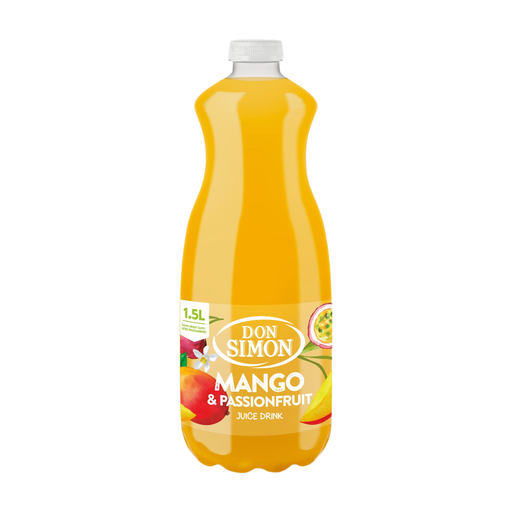
Why this choice suits this profile: Its 1.5-litre format lets you try the recipe with the family or serve several glasses during a meal.
The ingredients clearly specify 4.5% mango purée and 1.5% passion fruit juice, leaving no ambiguity about the recipe.
13 kcal per 100 ml, a mango and passion fruit combination, and refrigeration after opening.
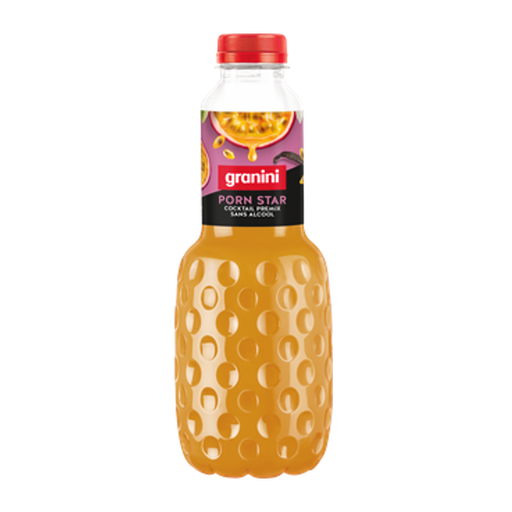
Why this choice suits this profile: The passion fruit and vanilla combination offers a more refined flavour profile, perfect with dessert or for using in an alcohol-free cocktail.
The product description states a fruit content of 24% and details the presence of vanilla, pectin and passion fruit juice from concentrate.
A 1-litre format, 52 kcal and 12 g of carbohydrates per 100 ml according to the information provided.
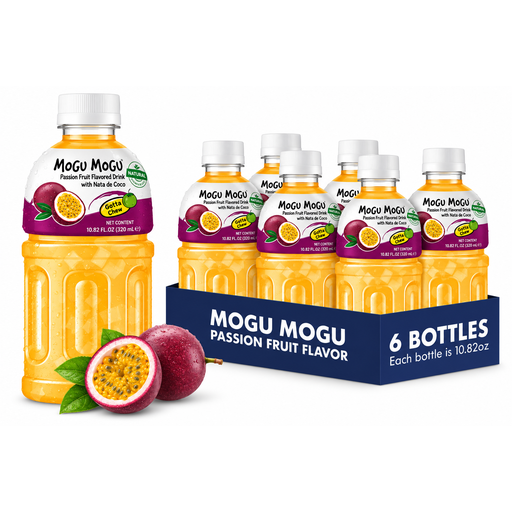
Why this choice suits this profile: The six 320 ml bottles are ideal for regular breaks, afternoon snacks and fans of textured Asian drinks.
The presence of nata de coco is clearly stated, so you know straight away that this drink will not be as smooth as a classic juice.
Six individual bottles, 46 kcal per 100 g and a texture featuring pieces of coconut.
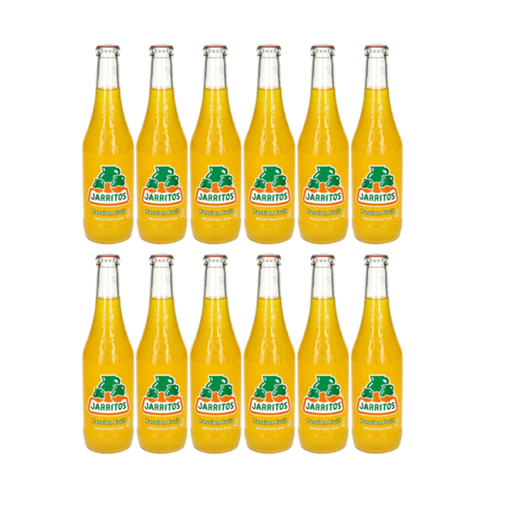
Why this choice suits this profile: The pack of 12 370 ml bottles is made for meals with friends, parties and fans of exotic fizzy drinks.
The glass format and mention of carbonated water clearly set expectations, without presenting it as a nectar.
38 kcal and 9.37 g of sugars per 100 ml, in a pack of 12 individual bottles.
Serve your refreshing drink well chilled. If the packaging says “shake before use”, remember to do so before pouring. Drinks containing pulp, purée or pieces may naturally develop sediment or have an uneven texture.
Before opening, store bottles and cartons in a cool, dry place away from direct sunlight. Once opened, place them in the fridge and follow the stated time limit. When preparing a cocktail, taste the drink before adding syrup or another juice. This will allow you to adjust the recipe according to its sweetness and acidity.
Passion fruit juice contains juice, which may be from concentrate. Depending on the recipe, a nectar may also contain water and sugar. A flavoured drink may contain less juice and rely more heavily on flavourings. To understand exactly what you are buying, check both the ingredients list and the fruit percentage.
It depends on the product. Some descriptions recommend consuming it within 24 hours, while others specify 2 to 4 days. In all cases, keep the bottle in the fridge after opening and follow the instructions on the packaging.
Yes, a mango and passion fruit drink can be used as the base for an alcohol-free cocktail. Mix it with sparkling water, lime or ice cubes, then adjust the proportions according to the sugar already present. However, check the ingredients, as some tropical recipes contain beer or spirits.