Hosts putting on drinks and nibbles
You want to put nuts on the table while considering the protein per serving, salt content and how each product is served.


For a sharing bowl at a birthday party, dry-roasted peanuts with no added salt are a practical option to consider: the Auchan product reviewed lists 27 g of protein and 0.01 g of salt per 100 g. Peanut butter needs something to serve it with, while a bar gives you an individual portion. In each case, compare the serving size and check for allergens before setting out the buffet.
You want to put nuts on the table while considering the protein per serving, salt content and how each product is served.
You’d prefer to know how much protein is in what you take: a handful from the bowl, something served with peanut butter or an individual bar.
You need to identify the ingredients and any possible traces before serving, and take the ages of the children around the buffet into account.
First, choose between a sharing bowl, something to serve with a spread, and individual portions. Then compare the nutritional information on a like-for-like basis and relate it to the amount you plan to serve.
| What to consider | What to check | Who is it for? |
|---|---|---|
| Protein per serving | Compare the protein per 100 g, then check the amount in the portion you’ll actually serve. The Auchan no-added-salt product lists 27 g per 100 g and 6.6 g per 25 g serving. | If I’m planning a snack for guests interested in sport, I want to know what’s in a serving rather than rely on the figure per 100 g alone; around 38% of consumers rank the amount per serving as their top concern. |
| Salt and ingredients | Read the salt figure per 100 g and check the ingredients list. Auchan lists 0.01 g of salt per 100 g for its no-added-salt product, compared with 0.8 g for its roasted and salted version. | When putting together a buffet, some consumers look beyond the word ‘protein’ and prefer a recipe with ingredients and salt content they can check; around 23% make this their main consideration. |
| Serving format | Plan a bowl for the nuts, something to serve with the peanut butter, or individual portions for the bars. Check the pack size too. | When guests help themselves throughout the evening, I look first for a format that suits the table and the way people will share; around 23% of consumers prioritise this convenience. |
| Allergens and children | Check the ingredients, any ‘may contain’ warnings and the other notices on each pack. Ask which allergies you need to consider before serving. | If guests have allergies or young children are coming, I need to plan how to serve the food accordingly; around 16% of consumers prioritise these precautions. |
This figure makes it easier to compare products, but it may not reflect how much you’ll have with drinks and nibbles. The product details for Auchan’s no-added-salt peanuts list 27 g of protein per 100 g and 6.6 g per 25 g serving.
Decide what portion you’ll serve before comparing the protein in each one.
For the two Auchan products compared, the protein figures per 100 g are similar, while the listed salt content goes from 0.01 g for the no-added-salt version to 0.8 g for the salted version.
Check the ‘salt’ line for the product you choose rather than guessing from the word ‘roasted’.
The Be-Kind bar sold by Monoprix lists 12 g of protein per 50 g bar, but its recipe also includes milk and soya, as well as peanuts.
Keep the packaging to hand and check the allergens in every product before offering portions to guests.
Carrefour’s Classic’ range includes dry-roasted peanuts with no added salt and dry-roasted peanuts.
Two Auchan peanut products let you compare a dry-roasted version with no added salt and a dry-roasted salted version directly.
Lidl has offered a 500 g pack of McEnnedy dry-roasted peanuts.
Aldi offers Trader Joe’s dry-roasted peanuts and salted roasted peanuts for drinks and nibbles.
Monoprix offers Nu3 peanut butter and a Be-Kind bar, giving you two different ways to serve peanut-based products.
These pistachios and walnuts are options for a sharing bowl at the buffet. Their pack sizes and the fact that some come in shells affect how you serve them; check the packaging to work out portions and check for allergens.
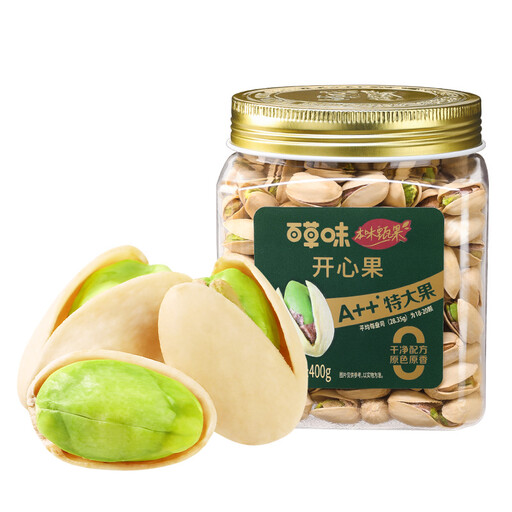 Image unavailable
This pack of pistachios could be served in a sharing bowl. If you’re keeping an eye on salt or need to tell guests about allergens, check the information on the packaging before serving.
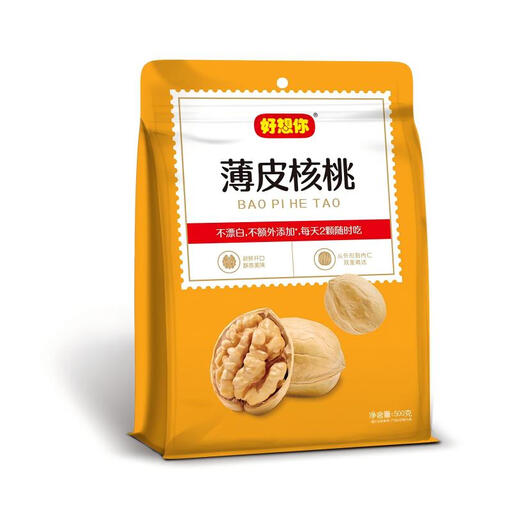 Image unavailable
The eight sachets make it easy to spread the pack across the table. The walnuts need to be cracked before eating, so provide a container for the shells. Check the weight of each sachet if you want to set portion sizes.
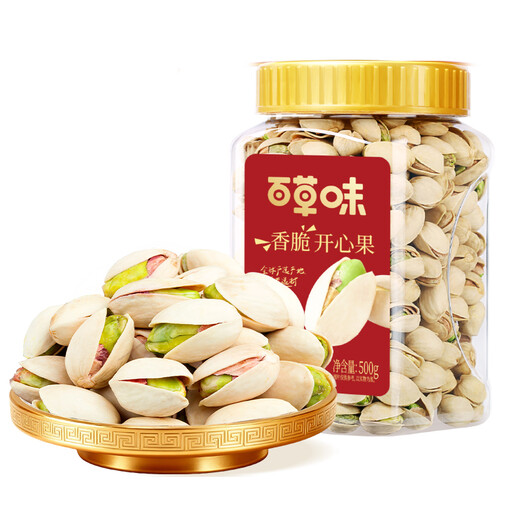 Image unavailable
This pack of pistachios could be used to prepare a bowl for guests. Provide something to collect the shells in. If salt content matters to you, compare the figure on the packaging with those of the other products you’re considering.
First compare the figures per 100 g, then work out how much protein is in the portion you’ll serve. The DGCCRF says nutritional information is given per 100 g or 100 ml to make comparisons easier. For example, the product details for Auchan’s no-added-salt peanuts list 27 g of protein per 100 g and 6.6 g per 25 g.
Yes. The Anses lists peanuts among the oilseeds that provide plant-based protein. When choosing a product for a birthday party, check its stated protein content and how much you plan to serve, without using a single figure to judge its place in every guest’s diet.
Keep the packaging so you can check the ingredients list and any ‘may contain’ warnings. The DGCCRF says allergens in pre-packed foods must be highlighted in the ingredients list; the Be-Kind bar sold by Monoprix contains peanuts, milk and soya, among other ingredients.
Follow the storage instructions for the product you’re serving. The Auchan dry-roasted peanuts with no added salt reviewed here should be resealed tightly, kept away from heat and moisture, and eaten within five days of opening.