What should you prioritise?
For this birthday party, choose the type of dessert that best suits your priorities first, then compare products on the same nutritional basis.
Tub of sorbet
Choose this if: low fat content is a priority and you can prepare dessert bowls.
Bear in mind: you’ll need bowls to serve it; the Picard, Auchan and Eskiss lemon sorbets mentioned here also contain 21 to 22 g of sugar per 100 g, according to their product information.
Ice lolly
Choose this if: individual portions will make it easier to serve guests at a standing party.
Check: the format alone doesn’t tell you the sugar or allergen content of the product you choose.
Frozen pastry
Choose this if: serving a cake matters more than keeping fat content low.
Bear in mind: check each recipe and its preparation instructions; the Picard apple crumble mentioned here contains 9.8 g of fat per 100 g.
| Criteria |
What to check before buying |
Who it matters to |
| Fat content |
Compare the “fat” figure per 100 g for the products you’re considering; don’t assume a fruity flavour means a lower figure. |
I want to serve a dessert with a fat content that matches my priorities, without assuming all pastries or sorbets are the same. Around 50% of consumers put this first. |
| Sugars and serving size |
Compare the “of which sugars” figure per 100 g, then consider the amount you’ll serve. |
A low-fat dessert can still be high in sugar; I want to know both figures before deciding on buffet portions. For around 30% of consumers, this is the main concern. |
| Serving |
Check the number of portions and the utensils you’ll need, as well as the preparation and storage instructions. |
When guests are standing, I’d rather not have to prepare dessert bowls or warm up a cake during the party. Ease of serving comes first for around 20% of consumers. |
Ice lollies to consider on Joybuy
These individual formats can make serving guests at a standing party easier. Before choosing, compare their nutrition information and check the allergen and storage information on the packaging.
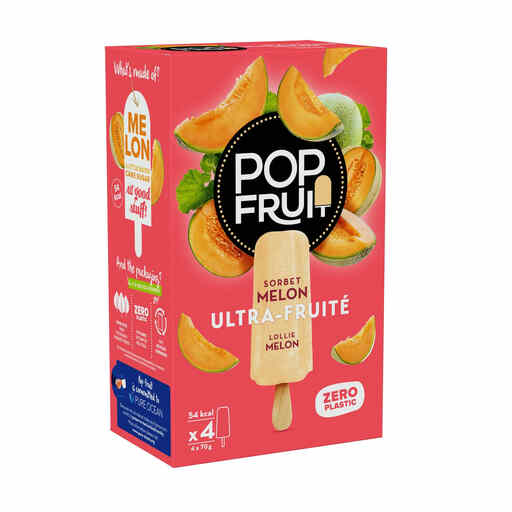 Image unavailable
POP FRUIT, melon-flavoured sorbet sticks, x4 (280 g)
The stick format makes these easy to serve as individual portions, without bowls. Compare the fat and sugar figures on the packaging, and check for allergen trace warnings and storage instructions.
View on Joybuy
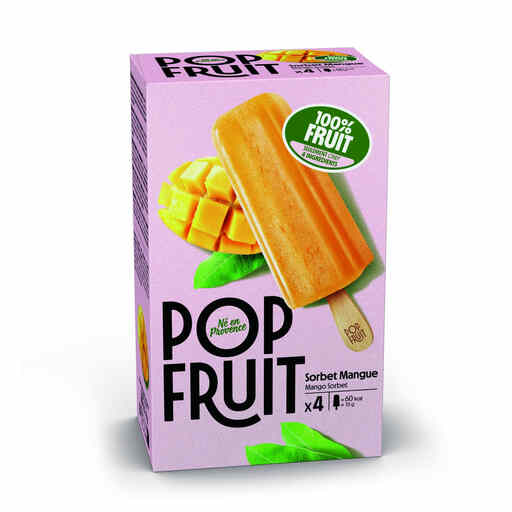 Image unavailable
POP FRUIT Sorbet Sticks 100% Mango, x4 (280 g)
These four sticks make it easy to serve individual portions. To see whether they suit your priorities, check the fat and sugar figures separately, along with any trace warnings on the packaging.
View on Joybuy
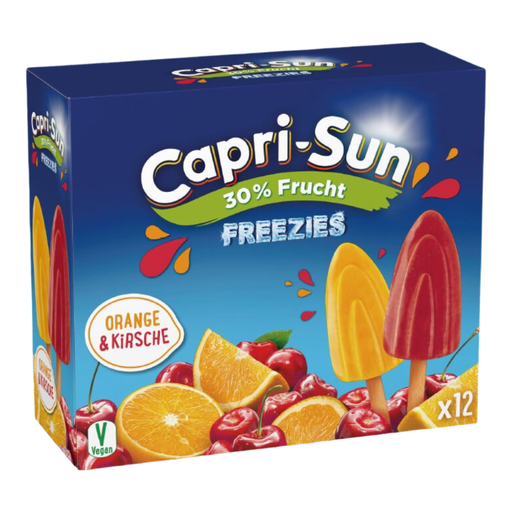 Image unavailable
CAPRI-SUN Orange & Cherry, ice lollies x12 (444 g)
This pack of twelve ice lollies is ideal when you need individual portions. Check the sugar content and allergen trace warnings on the packaging; when comparing a portion with the pack, take account of the number of units stated for each.
View on Joybuy
Frequently asked questions
How do you compare the fat content of two frozen desserts?
Compare the “fat” figure per 100 g for both products, rather than comparing different-sized portions directly. The DGCCRF says that presenting nutrition information per 100 g or 100 ml makes comparisons easier.
Is sorbet that’s very low in fat also low in sugar?
Not necessarily: the lemon sorbets listed by Picard and Auchan contain 22 g and 21 g of sugar per 100 g respectively, despite containing less than 0.5 g of fat per 100 g. Check both figures and the portion you plan to serve.
Can you buy frozen desserts before the birthday party?
Yes, as long as you can follow the storage instructions and keep each product within its stated date until you’re ready to serve it. Make room in your freezer and follow the preparation instructions; the Picard and Auchan product information mentioned here says not to refreeze their products after thawing.
Should you check the allergens in sorbet?
Yes: read the ingredients list and any trace warnings for the exact product. Sorbet may carry these warnings, and the nutrition table is no substitute for checking them.
Is a “light” claim enough to help you choose?
No: compare the product’s nutrition information, particularly its fat and sugar content. The DGCCRF notes that only authorised nutrition claims may be used; a claim on the front of the pack doesn’t, by itself, tell you everything about the dessert’s composition.


