To give every child a piece of the same size without breaking up a large bar, first compare packs of 20–25 g mini bars with the number of guests. A larger bar may be suitable if that portion fits the planned snack, but always check the children’s dietary requirements and the allergens in the exact recipe first. To compare products, check the nutrition information per 100 g and, if shown on the packaging, per bar.
Who are these formats for?
Organisers who want one piece per child
If you’d rather not break up a large bar when it’s time to serve, a pack of small individual pieces makes it easy to count portions in advance. Check how many pieces are in each pack and whether they’re individually wrapped.
Organisers who need to consider allergies
Ask families about dietary requirements before choosing a recipe: the milk chocolate products mentioned here contain milk, and some also list other ingredients or possible traces. In a school or after-school setting, also follow any adjustments set out in an individualised support plan (PAI), in line with guidance from the French Ministry of National Education.
Shoppers who prefer a bar that’s ready to serve
An individually sold bar can help you make up the number of portions you need. Depending on the product, it may also be larger than a mini bar or contain a filling, so check its weight and recipe rather than relying on the brand name alone.
What should you check before buying?
Start with the group’s dietary requirements, then choose the number of pieces and their weight. You can then use the nutrition information to compare recipes and the amount in each bar.
| What to consider |
What to check |
Who it matters to |
| Allergens and dietary requirements |
Ingredients, highlighted allergens, ‘may contain’ warnings and the requirements of the children attending. |
If a family tells you about a dietary restriction, choose based on the exact recipe rather than the words ‘milk chocolate’ alone. Around 27% of shoppers rank this as their top priority. |
| Individual portions |
Number of pieces, weight of each piece and whether they’re individually wrapped. |
If you want to serve every guest a piece of the same size without sharing a bar, the packaging matters just as much as the weight. This is the main concern for around 33% of shoppers. |
| Nutrition information |
Sugars, energy and fat per 100 g; figures per bar where available. |
If you’re considering different recipes or bar sizes, the per-100 g figures provide a common basis for comparison, while the per-portion figures show what’s in each piece you serve. Around 20% of shoppers prioritise this comparison. |
| How much to buy |
Number of guests, pieces per pack and how many extra you’d like for unexpected needs. |
To avoid running out of bars or opening more packs than necessary, some organisers focus on matching the number of pieces to the group. This is the top priority for around 20% of shoppers. |
Mistakes to avoid
-
Assuming all milk chocolate has the same recipe
The products listed by Carrefour France and Milka contain milk, but other ingredients and possible-trace warnings vary by product, particularly for nuts, wheat, soya and peanuts.
Check the label on the variant you’re buying and compare it with the dietary requirements you’ve been given for the children; a brand name or packaging photo isn’t enough.
-
Relying on the Nutri-Score alone
According to the DGCCRF, Nutri-Score is voluntary, while nutrition information is mandatory for pre-packed food. A logo on the front of the pack is no substitute for the ingredients list or nutrition information.
Compare products per 100 g, then check the figures per bar where they appear on the packaging.
-
Counting packs instead of bars
The formats mentioned include both individually sold bars and multipacks of different sizes. So two packs won’t necessarily provide the same number of portions.
Start with the number of guests and count the usable pieces in each pack before deciding how many to buy.
A pack that’s too small means you’ll need another way to serve everyone; a larger pack may leave you with pieces you don’t serve.
-
Using the ‘sugar tax’ to judge a chocolate bar
The levy described by the Official Bulletin of Public Finances applies to non-alcoholic drinks containing added sugars; it doesn’t indicate the sugar content of a solid chocolate bar.
To compare bars, check the ‘of which sugars’ line in their nutrition information, using the same per-100 g basis.
Brands and formats to know
These products show different numbers of pieces and individual weights. Ingredients and allergens vary from product to product.
Milka
Milka offers Mini Tablettes in a pack of 8 × 25 g and Minis Lait Alpin in a pack of 10 × 20 g.
- These packs make it easy to count out small pieces before serving.
- The recipe for Mini Tablettes 8 × 25 g lists milk and soya, with possible-trace warnings for wheat and nuts. Check the packaging of the product you buy.
Carrefour
Carrefour France offers a pack of 10 milk chocolate bars, each weighing 21 g.
- The number of pieces and the weight of each one are listed, making it easier to plan how to serve them.
- The recipe listed contains milk and carries possible-trace warnings for other allergens, including peanuts and nuts.
Côte d’Or
The products listed by Carrefour France include a pack of 9 bars weighing 30 g each and a 45 g milk chocolate and hazelnut bar.
- The multipack and the individually sold bar suit different portion-counting needs.
- The recipes listed contain hazelnuts, so they’re not suitable if you need to exclude them from the party snack.
Nestlé
Crunch Snack is a 30 g milk chocolate and puffed rice bar, sold individually by Carrefour France.
- Buying bars individually can help you make up an exact number of portions.
- This recipe contains wheat and milk; the product information also mentions possible traces of peanuts, nuts and soya.
Lindt
Lindt France’s range of bars includes 33 g and 35 g milk chocolate and hazelnut products.
- These formats are bought individually rather than as a pack of mini bars.
- Their hazelnut recipe isn’t suitable if you need to exclude hazelnuts from the party snack.
Joybuy products for your party snack
This selection includes a pack of milk chocolate and two chocolate-coated bar treats. If you’re planning to give each child one bar, check its weight, packaging and recipe: none of these three products is a 20–25 g mini bar.
 Image unavailable
Toblerone Milk 3 × 50 g
This pack may suit you if you’re looking for three bars that can be counted out separately, rather than one large bar to break up. The title states 3 × 50 g, but other weight details don’t match. Check the net weight of each bar and whether it’s individually wrapped on the pack. The recipe lists milk, hazelnuts and soya; compare the label with the dietary requirements you’ve been given.
View on Joybuy
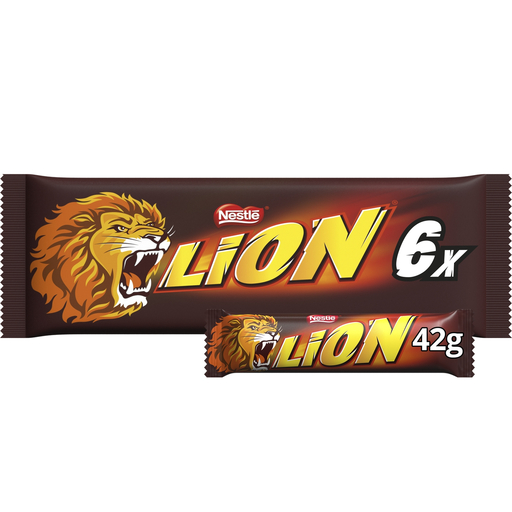 Image unavailable
Lion Milk Chocolate Bars, 6 × 42 g
This pack of six may suit you if you’re looking for countable chocolate bars, but they’re cereal bars coated in milk chocolate, not plain milk chocolate bars. The recipe lists wheat and milk, with possible traces of peanuts, nuts and soya. Check whether each bar is individually wrapped before planning to hand them out one by one.
View on Joybuy
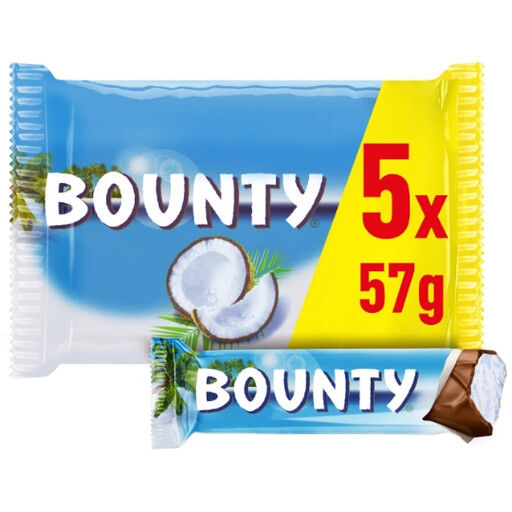 Image unavailable
BOUNTY, 5 coconut bars coated in milk chocolate
These five bar-shaped treats may suit a party snack that includes a coconut filling rather than plain milk chocolate. The title states 28.5 g per bar, while other details give 57 g. Check the weight on the pack before deciding on portions, and check whether each bar is individually wrapped. The recipe lists coconut, milk and soya.
View on Joybuy
Frequently asked questions
Is Nutri-Score compulsory on a milk chocolate bar?
No. According to the DGCCRF, Nutri-Score is a voluntary label in France, while nutrition information is compulsory for pre-packed food. To compare bars of different sizes, check the figures per 100 g.
Can the ‘sugar tax’ help you judge the sugar in a chocolate bar?
No. The levy described in the Official Bulletin of Public Finances applies to non-alcoholic drinks containing added sugars, not solid chocolate bars. Check the product’s nutrition information to see how much sugar it contains.
What should you check before taking bars to a school party if a child has a PAI?
First, follow the instructions given by the family and the school or organisation. The French Ministry of National Education states that an individualised support plan can set out adjustments, including dietary ones. Then check the ingredients, allergens and ‘may contain’ warnings for each product you’re considering.
Should you check sugars per 100 g or per bar?
Both figures answer different questions: per 100 g lets you compare products of different weights, while per bar shows the amount in the portion you serve, when that figure is provided. For example, according to its own product information, Milka lists 17 g of sugars per 25 g portion for its Mini Tablettes 8 × 25 g.


