Hosts keeping an eye on buffet calories
You’re putting together a buffet-style spread and want to compare the energy content of different biscuits, rather than guessing from their texture or pack size how many calories you’ll be serving.


To choose party biscuits with calories in mind, compare the kcal per 100 g for products intended for the same occasion, then consider how much you plan to serve. An airy texture alone doesn’t mean a biscuit is lower in calories. Check the salt, ingredients and allergens too. The Nutri-Score can help you make comparisons when it’s displayed, but its use is voluntary, according to Santé publique France.
You’re putting together a buffet-style spread and want to compare the energy content of different biscuits, rather than guessing from their texture or pack size how many calories you’ll be serving.
You’re planning to serve other savoury foods too and want to check the salt content of the biscuits alongside their kcal.
Before putting together the platter, you need to check the ingredients, allergens and any ‘may contain’ warnings for each specific product.
Start by comparing the nutritional information for products intended for the same occasion, then consider how much you’ll serve and your guests’ needs.
| What to consider | What to check | Who it matters to |
|---|---|---|
| Calories served | Kcal per 100 g for biscuits intended for the same occasion; the amount planned for the buffet. | If you want to limit the energy provided by the biscuits, how much you put out matters just as much as comparing the labels. Around 42% of consumers prioritise this. |
| Salt on the platter | Salt in g per 100 g; whether other salty foods are being served. | If the buffet already includes cheese or charcuterie, the salt in the biscuits is another factor to consider. This is the top priority for around 33% of consumers. |
| Guests’ allergens | Ingredients list, allergens highlighted and any ‘may contain’ warnings for the exact product. | If a guest needs to avoid an ingredient, the brand or flavour name isn’t enough to decide on their behalf. Finding biscuits that are suitable is the top priority for around 25% of consumers. |
Texture doesn’t tell you how many kcal a biscuit contains. Product listings from Carrefour and La Belle Vie show 482 kcal per 100 g for Carrefour Classic’ Cracker’s and 543 kcal per 100 g for Belin Emmental-flavour Croustilles, respectively. These figures apply to these two specific products, not their entire ranges.
Compare the kcal per 100 g for products intended for the same occasion, then consider how much you’ll serve.
According to Santé publique France, displaying the Nutri-Score is voluntary. It’s an addition to the nutritional information, and its absence doesn’t tell you whether a product is a good choice.
If it’s on the packaging, use it to compare similar products, and check the kcal, salt, ingredients and allergens too.
Choosing biscuits based only on their calories overlooks the salt in the rest of your spread. Manger Bouger recommends limiting salty foods, including party biscuits.
Check the salt in g per 100 g and consider the whole platter. You could also add some crunchy vegetables.
Ingredients and ‘may contain’ warnings vary from one product to another. Don’t assume another flavour or pack size is suitable too.
Check the label on the exact pack before serving it to guests who need to avoid certain ingredients.
The Auchan range includes crackers and several Belin pack sizes for aperitifs.
Auchan’s party food aisle includes Vico paprika-flavour lentil crisps.
The range includes 100 g packs of Cracker’s, listed by Carrefour.
E.Leclerc’s Eco+ range includes salted popcorn, puffs and party snack selections.
E.Leclerc’s range includes crackers, sticks, pretzels and breadsticks.
The retailer’s own-brand range includes salted crackers, snack selections and other party biscuits.
These three Joybuy products are crackers to consider for a buffet-style spread. Before choosing based on calories, salt or your guests’ needs, compare the label and the amount you plan to serve.
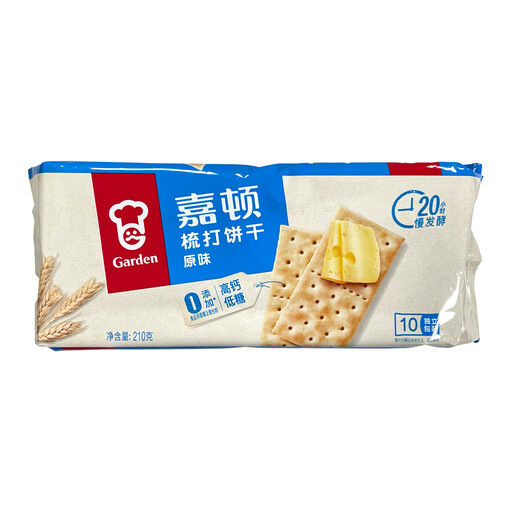 Image unavailable
These salted crackers are worth considering if you’d like to serve plain biscuits with your aperitifs. The pack contains 210 g. Decide how much to put out, and check the label for kcal, salt and allergens.
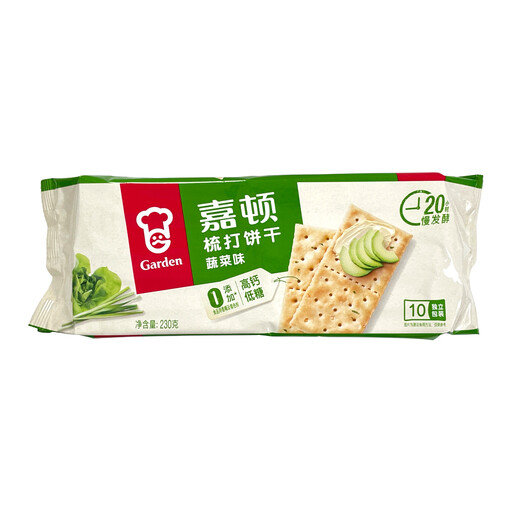 Image unavailable
These vegetable-flavour crackers are an alternative to plain crackers if you’d like to add a different flavour to your platter. The pack contains 230 g. Check the values per 100 g and the ingredients for this particular variety before buying.
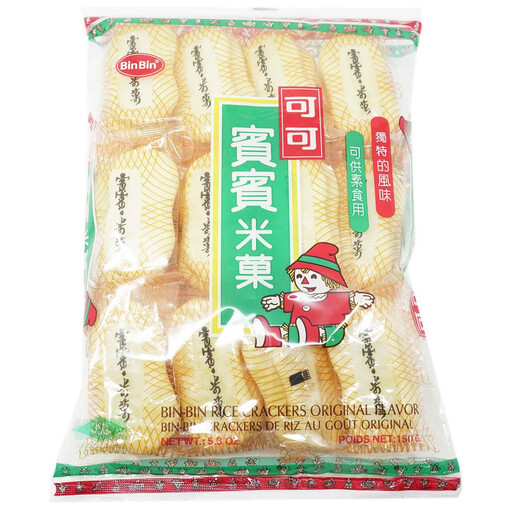 Image unavailable
Consider this plain variety if you’re planning to serve crackers with no flavour mentioned in the name. It contains 150 g. Compare the energy and salt per 100 g, then check the ingredients for the exact product.
No. According to Santé publique France, displaying it is voluntary, and it supplements the nutrition declaration required under European consumer information regulations. If it isn’t shown, compare the nutritional information and ingredients rather than drawing conclusions from its absence.
Check the kcal per 100 g for products intended for the same occasion, then consider how much you’ll actually serve. Product listings from Carrefour and La Belle Vie show 482 kcal per 100 g for Carrefour Classic’ Cracker’s and 543 kcal per 100 g for Belin Emmental-flavour Croustilles. This comparison doesn’t apply to other products from these brands.
Yes. Calories and salt are two separate things to consider. Compare the salt in g per 100 g for the biscuits you’re considering, and think about the other salty foods you’ll be serving alongside them.
Check the ingredients, highlighted allergens and any ‘may contain’ warnings on each pack you’re considering. Carrefour’s listing for Classic’ Cracker’s states that they contain wheat and may contain traces of milk, eggs, soya and mustard. Don’t assume these warnings apply to another recipe or pack size.