
Livraison le jour même ou le lendemain

Qualité garantie

Débloquez vos offres de bienvenue: Livraison GRATUITE | Jusqu'à -80 % | 30 jours d'essai gratuits à JoyPlus
Téléchargez l'application
A wooden floor can quickly lose its pristine appearance because of seemingly harmless habits: too much water, an unsuitable product or a vacuum cleaner fitted with an overly aggressive brush. Not all parquet care products serve the same purpose. A cleaner removes everyday dirt, while wax, renovator and wood filler are used to protect the floor or repair its finish.
Before placing your order, start by identifying the type of parquet and how often you plan to maintain it. Sealed, varnished, oiled, waxed or wood-effect laminate flooring cannot all be treated in the same way.
A parquet cleaner removes footprints, dust and light dirt. It will not repair a deep scratch, a whitened area or a crack. For these kinds of problems, it is better to choose a parquet wax, parquet renovator or suitable filler.
For example, applying wax to a varnished parquet floor can leave a film that is difficult to remove. Always check the compatibility information on the label and test the product on a discreet area.
Some products are suitable for washable wooden surfaces, but not necessarily for unsealed parquet or floors that are sensitive to moisture. An overly wet mop can cause boards and joints to swell.
For cleaning wooden floors, use a barely damp application, follow the recommended dosage and make sure the room dries quickly. Parquet wipes are handy for occasional touch-ups, but they cannot always replace more thorough maintenance.
A parquet vacuum cleaner should minimise the risk of scratches with a suitable brush and an easy-to-manoeuvre head. In a home with a dog or cat, a pet hair vacuum cleaner will often be more suitable than a machine designed solely for fine dust.
A washable microfibre mop can also reduce your use of disposable wipes. It effectively picks up hair and pet fur while requiring very little water.
Before choosing a product, establish whether your floor is:
The word “washable” does not mean that the parquet can withstand large amounts of water. Drying time and ventilation also play an important role.
Before buying, read the pictograms and European safety instructions. Some products contain fragrances, preservatives, solvents or polishing agents that may irritate the skin and eyes.
For example, the Carolin cleaner with linseed oil extract indicates the presence of less than 5% soap, non-ionic surfactants, fragrance and preservatives. Its information sheet also mentions a risk of skin burns and serious eye damage, so wear gloves, ventilate the room and keep the product out of children’s reach.
O’Cedar liquid wax, meanwhile, is labelled as flammable and contains at least 30% aliphatic hydrocarbons. It must be kept away from flames, heat and any source of sparks. This information is far from incidental: it determines how the product should be stored and used.
A one-litre bottle is generally suitable for regular household maintenance. A five-litre container is more appropriate for large areas or intensive use. Compare the recommended dosage, whether rinsing is required and the coverage stated by the manufacturer.
When choosing a vacuum cleaner, also consider its weight, cable length, battery life, tank capacity and filter maintenance. A powerful vacuum that is difficult to move can quickly become a nuisance in a flat with stairs or a room crowded with furniture.
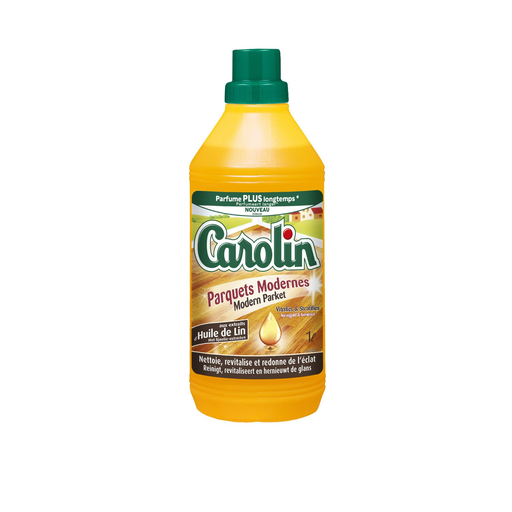
Why this choice suits this profile : Its formula is designed for modern parquet and washable wooden surfaces. The dilution allows you to adjust the amount used for everyday maintenance.
The product information recommends diluting it and applying it with a mop or cloth, without rinsing. Nevertheless, make sure your floor is washable and follow the instructions for use.
1 L size, application with a cloth or mop, air drying and linseed oil extract in the formula.
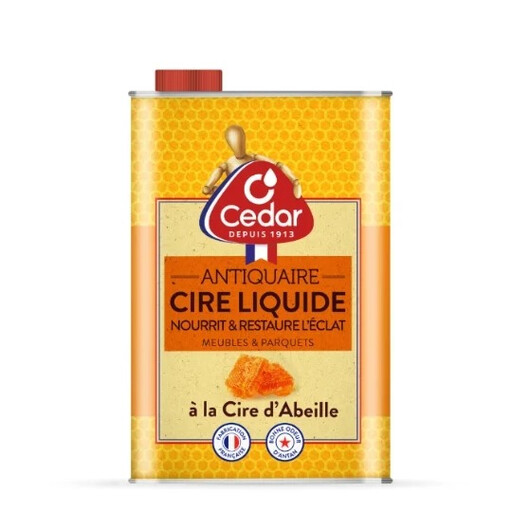
Why this choice suits this profile : This wax is intended for people caring for waxed furniture or an old parquet floor and looking for a finish that can be polished by hand.
The instructions recommend applying a small amount to a cloth, then allowing it to dry before polishing. This method prevents excessive build-up, provided the product is used only on a compatible waxed surface.
The formula contains 8 % beeswax among its polishing agents, in a 700 ml format. It is made in France.
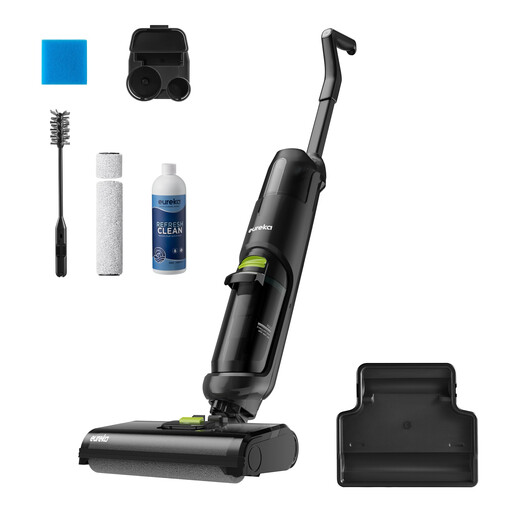
Why this choice suits this profile : It is suitable for households that regularly need to remove dust, spills and dirt from hard, sealed or varnished floors.
Its two tanks keep clean water separate from dirty water. As with any wet and dry vacuum cleaner, check that it is compatible with your floor finish and empty the tanks after every use.
Vacuuming and washing, automatic roller cleaning, a claimed battery life of up to 30 minutes and a limited warranty stated by the manufacturer.
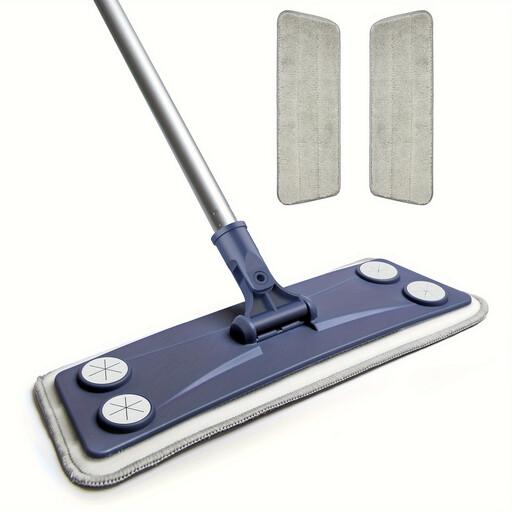
Why this choice suits this profile : Its adjustable handle and swivel head make frequent cleaning easier under furniture, around chair legs and in corners.
The two pads are washable and reusable. Wash them with a mild detergent, dry them completely and make sure you never soak the parquet.
Adjustable handle measuring approximately 89 to 163 cm, 360-degree swivel head and two washable microfibre pads included.
We have compiled a complete, real-time updated list of products that meet these strict selection criteria and European safety regulations.
For repairing cracks in parquet, the filler should be chosen according to the width and depth of the crack, as well as the material of the substrate. Rubson filler for oak wood and parquet is an acrylic product supplied in a 280 ml cartridge. It is designed for cracks in wood and joints between wood and masonry, particularly around skirting boards, mouldings, staircases, doors and windows.
Before application, the surface must be clean, dry and completely free of dust. The product is stated to be compatible with wood, concrete, brick, plaster and stone indoors. However, it is not suitable for glass, plexiglass, polyethylene, polypropylene or PTFE. If a board is severely damaged, unstable or lifted, replacing it will often be more sensible than simply filling it.
Parquet wipes can be useful for spot cleaning. In a home occupied every day, a parquet vacuum cleaner combined with a washable microfibre mop will generally make maintenance easier while reducing the use of disposable products.
Choose a cleaner that clearly states its compatibility with modern, varnished or sealed parquet, or with washable surfaces. Use very little water and avoid abrasive products. Testing it first in an inconspicuous area remains a simple and effective precaution.
It depends on the condition of the floor, how often it is walked on and its finish. Wax is not intended to be applied after every clean. Follow the recommendations on the label and first check that the parquet is properly waxed.
Regularly vacuum up pet hair and small debris to prevent them from scratching the floor over time. An appliance with a washable tank, well-maintained filters and a suitable brush can reduce the need to buy consumables. A microfibre mop fitted with reusable pads is an effective addition to this routine, without increasing your use of disposable wipes.