
Livraison le jour même ou le lendemain

Qualité garantie

Débloquez vos offres de bienvenue: Livraison GRATUITE | Jusqu'à -80 % | 30 jours d'essai gratuits à JoyPlus
Téléchargez l'application
Paprika powder can give a recipe a beautiful red hue, as well as mild, smoky or spicy notes. However, not every product labelled “paprika” is created equal. Pure spice, seasoning blends and flavoured snacks can differ considerably in both their uses and the flavour they deliver.
Before adding anything to your basket, here are the main pitfalls to avoid, the criteria to assess and a few options suited to everyday cooking, Spanish, Indian and Mediterranean recipes.
A red colour says little, if anything, about the level of heat or the flavour profile. Sweet paprika is generally chosen for its mild flavour and its ability to add colour to dishes. Smoked paprika, such as products associated with Pimentón de la Vera, brings a more pronounced woody, toasted note. Hot smoked paprika flakes add both character and visible texture.
Take the time to look for terms such as “sweet”, “smoked”, “spicy” or “hot” on the label. If the heat level is not clearly stated, the product may be less suitable for a delicate recipe or a dish served to the whole family.
A geographical designation can be a valuable indicator, but it does not replace reading the ingredients list. The Pimentón de la Vera PDO featured below contains 99% dried smoked Jaranda peppers and 1% sunflower oil. By contrast, paprika seasoning may also contain onion, garlic, tomato, leek or carrot.
If you are looking for a versatile everyday spice, choose a short ingredients list, such as “100% ground paprika”. A blend can save time in the kitchen, but it will also give the recipe a more distinctive flavour direction.
A 100 g bag is not necessarily more economical if you only use a pinch of paprika from time to time. Once opened, the product should be kept away from light, moisture, heat and strong odours. A tightly sealed container helps preserve its colour and aroma.
For occasional use, a 30 to 40 g jar prevents the spice from sitting in the cupboard for too long. Those who regularly cook Indian dishes, paella or slow-cooked meals will generally be better served by choosing a 70 to 100 g pack.
Pimentón de la Vera benefits from a protected designation of origin when it complies with the relevant specifications. The Las Hermanas product featured here states that it is produced in La Vera, in the province of Cáceres, and traditionally dried over holm oak or oak smoke.
Pimentón de Murcia is another popular choice in Spanish recipes. The La Purissima product is described as a pure, finely ground sweet paprika made from Capsicum annuum. For precise information about origin, variety and any certification requirements, the label remains the best source.
For a pure spice, the ingredients list is generally very short. Processed products require greater attention. Michel et Augustin biscuits contain wheat, butter and eggs, with a possible risk of traces of tree nuts, sesame or soya. Depending on the recipe, paprika-flavoured crisps may also indicate the presence of soya or wheat.
For snack products, also check the net weight, salt content and storage instructions. Paprika pâté should be refrigerated and consumed within two days of opening, in accordance with the information provided for the product concerned.
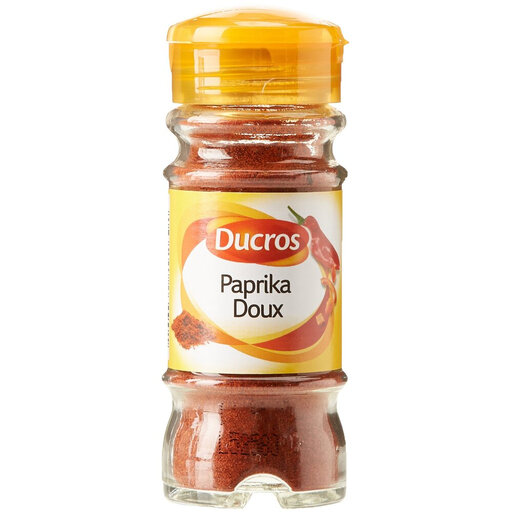
Why this product fits: A 40 g pack, well suited to cooks who use paprika in soups, potato dishes, meat recipes, marinades or rice dishes.
The product listing states a composition of 100% ground sweet paprika, with no added blend of flavourings.
Stated origin: Spain. Compact format designed for a range of everyday preparations.
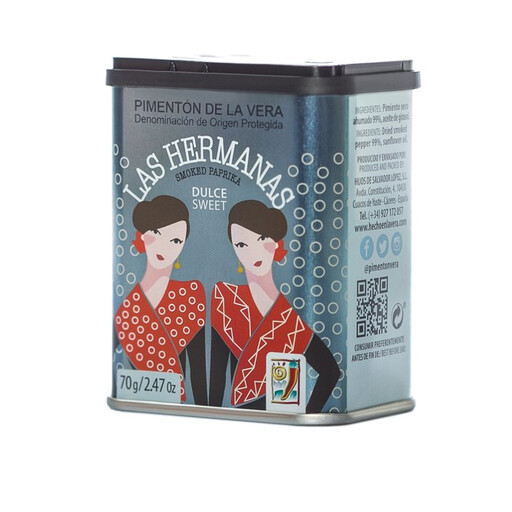
Why this product fits: A compelling choice when the smoky note needs to come through clearly, for example with potatoes, beans, sauces or Spanish dishes.
The product listing specifies the PDO designation, the Jaranda variety and wood-smoke drying.
70 g pack. Stated composition: 99% dried smoked pepper and 1% sunflower oil.
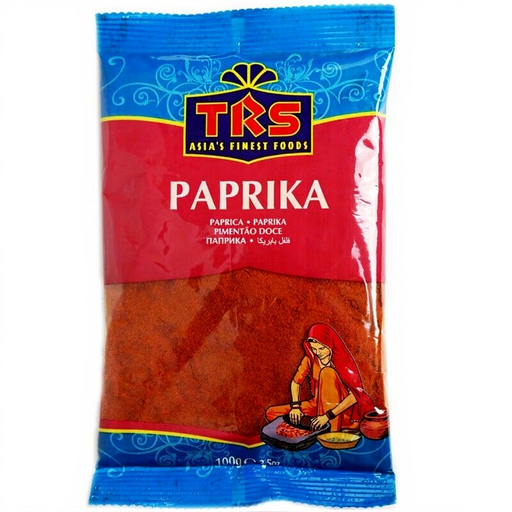
Why this product fits: The 100 g bag is intended for those who regularly prepare Indian dishes, spice blends or marinades.
The product listing states a composition of 100% paprika powder, with no additional red chilli mentioned in the ingredients.
100 g format. The product listing presents it as a spice that can replace red chilli in certain Indian recipes.
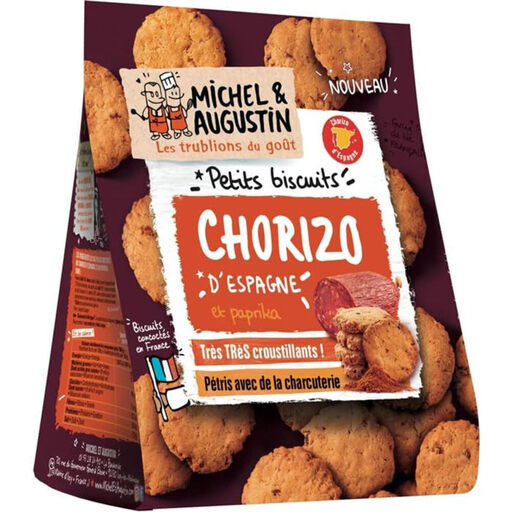
Why this product fits: A ready-to-eat aperitif product requiring no preparation or spice measurement.
The stated quantity is 1.5% paprika powder and 10% chorizo. This is not a pure spice.
90 g bag, made in France and ready to eat. Contains wheat, milk and eggs.
Add sweet paprika off the heat or just before incorporating liquids. This prevents it from catching or burning on the bottom of the pan. It works particularly well with:
Smoked paprika can replace some of the spices in a chorizo or grilled-dish recipe. Hot flakes, meanwhile, should be added gradually. After opening, reseal the bag carefully or transfer the spice to an airtight jar, then note the opening date.
For aperitifs, paprika snacks and paprika crisps are ready to serve, but their composition is entirely different from that of a pure spice. According to its description, the 48 g PAPRIKA Potato Snack contains 76% potato flour, while the 160 g Doritos Tortilla Chips Paprika are made with 73% maize and a paprika-flavoured seasoning base.
Explore an updated selection of paprika products, spices, seasonings and aperitif snacks to compare pack sizes and uses.
Sweet paprika is generally mild and slightly sweet, but its intensity can vary depending on the variety and manufacturer. For a family recipe, start with a small amount and adjust after tasting. The term “smoked” primarily describes the aroma; it does not necessarily mean that the product is hot.
For four servings, one to two teaspoons is a good starting point when using sweet paprika. With smoked or hot paprika, begin with a smaller amount, as its flavours can dominate the dish. The quantity also depends on the other spices, the salt and the cooking time.
Always refer first to the date shown on the packaging. A tightly sealed jar stored in a dry place away from light will preserve the spice’s qualities for longer. If its colour, aroma or texture has changed noticeably, check the label and consider replacing the product.