
Livraison le jour même ou le lendemain

Qualité garantie

Débloquez vos offres de bienvenue: Livraison GRATUITE | Jusqu'à -80 % | 30 jours d'essai gratuits à JoyPlus
Téléchargez l'application
Paper towels, or kitchen roll, might seem like a trivial purchase. Yet, who hasn't cursed at a roll that tears apart at the slightest touch of water, or a "maxi" size that runs out in record time? Choosing the right paper towel for your home isn't just about grabbing the first pack you see. Some well-honed marketing traps can lead you to spend more for a disappointing result.
As the Head of Product Recommendations at Joybuy, my mission is to help you see things more clearly. Let's break down the essential criteria for making a smart choice and avoiding unpleasant surprises.
Before you even start comparing products, it's crucial to know how to outsmart the most common marketing tricks.
To avoid making the wrong choice again, focus on these three objective characteristics. They are what make all the difference in the performance and value for money of your paper towel roll.
This is the primary indicator of strength and absorbency.
The composition also matters. Pure cellulose pulp is a guarantee of softness and absorption. For the eco-conscious, products certified FSC ensure that the paper comes from sustainably managed forests.
The format has a direct impact on how long your paper towel pack lasts.
paper towel.For deep cleaning or a zero-waste approach, reusable alternatives are an excellent option. A reusable paper towel or a good microfibre cloth can replace hundreds of sheets of disposable paper. They are perfect for cleaning surfaces, dusting, or even as a complement to the traditional kitchen towel.
Every household has different needs. Here is our selection of products that cater to various user profiles, all while sidestepping the pitfalls we've discussed.
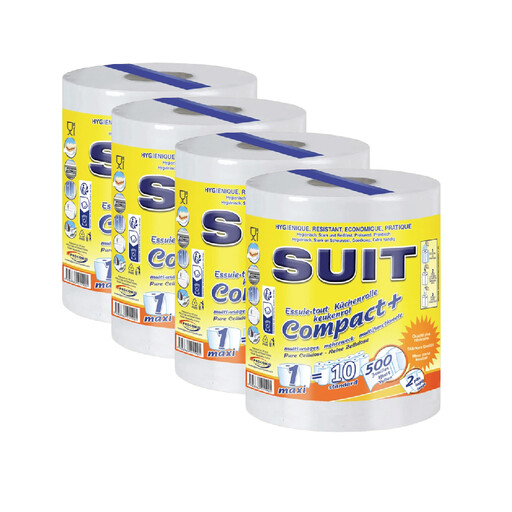
Why we chose it: Ideal for families and heavy users looking for an excellent quantity-to-price ratio. This pack ensures you have a comfortable supply so you never run out.
It sidesteps the "maxi roll" trap by clearly stating a very high sheet count (2000 total), making it easy to calculate the cost per sheet.
An economical and compact format that lasts a very long time, perfect for heavy use.
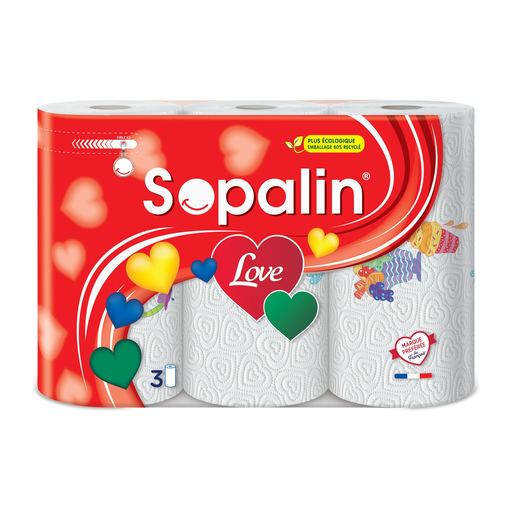
Why we chose it: For those who refuse to choose between performance and aesthetics. It combines high absorbency with a welcome decorative touch in the kitchen.
It avoids the disappointing absorption pitfall thanks to its 3-ply structure and the brand's renowned quality. The FSC certification is an additional mark of reliability.
Optimal strength and absorption, combined with original patterns and an eco-friendly commitment (FSC certification and recycled packaging).
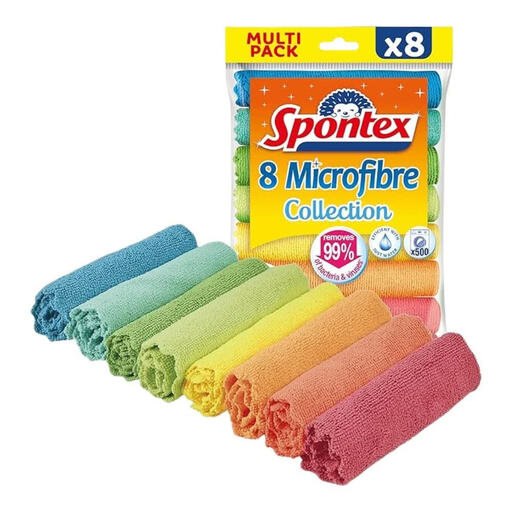
Why we chose it: The solution for those who want to reduce their waste and spending on disposable products. A small initial investment for hundreds of uses.
It completely bypasses the pitfalls of disposable paper towels. No need to calculate the cost per sheet; its value lies in its durability.
Highly absorbent and effective even with just water. Machine washable at 60 °C, it's an economical and ecological solution for the long term.
We have compiled a comprehensive list of products that meet our standards for quality and transparency.
1. What's the real difference between 2-ply and 3-ply paper towels? A 2-ply towel is perfect for light, everyday tasks: drying your hands, wiping a table. A 3-ply towel is much more robust: it won't tear when scrubbing a tough surface, absorbs more liquid without falling apart, and is essential for tasks like cleaning windows.
2. Can you flush paper towels down the toilet?Absolutely not. It is strongly advised not to flush paper towels down the toilet. Unlike toilet paper, it is not designed to dissolve quickly in water and can cause expensive blockages in your pipes. Always throw it in the bin.
3. Disposable paper towels or microfibre cloths: which to choose? The choice depends on the use case. Disposable paper towels remain unbeatable for hygiene, especially for soaking up cooking grease or cleaning up heavy messes you don't want to put in the washing machine. The microfibre cloth, on the other hand, is the economical and ecological solution for routine cleaning of surfaces (worktops, tables, windows) and dusting. In reality, the two are very complementary.